
workplace-culture42 min read
Gen Z workplace friction stems from unspoken norms, not poor communication skills
20 days ago•Source: Fortune
View original source
The latest workplace culture stories, each synthesized from multiple sources with added background and context.
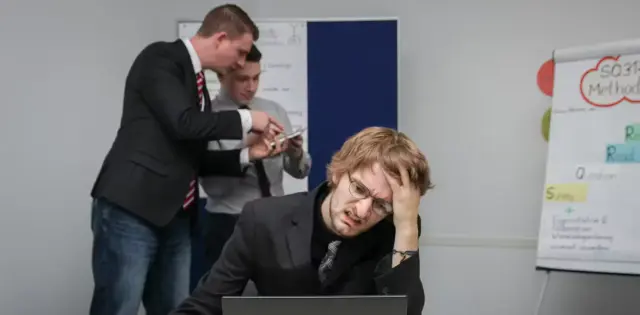
Jeff LeBlanc argues that generational workplace conflicts often arise from differing definitions of respect rather than bad faith. Gen Z employees, shaped by pandemic-era remote work and digital norms, may view texting as considerate while older managers interpret it as casual. LeBlanc suggests that explicit clarification of expectations, rather than assuming shared 'common sense,' can bridge these gaps.

The Washington Post•26 days ago
Forbes•1 year ago

The article discusses the acceptability and implications of crying at work, highlighting that showing emotion can be a sign of strength and authenticity rather than weakness. It emphasizes that modern workplaces are increasingly recognizing emotional intelligence as valuable, and encourages supportive responses from colleagues and managers. While some biases still exist, being genuine and resilient is often more important for career progression than maintaining a stoic facade.

Employers are trying to revive phone calls in the workplace to reduce screen fatigue, but many Gen Z workers suffer from "telephonophobia" and prefer digital messaging. This has led to a demand for consultants to train employees on phone communication skills.

A survey by Resume Genius reveals that 45% of U.S. hiring managers find Gen Z the most challenging generation to work with, including 50% of Gen Z managers themselves. Despite this, Gen Z remains the second most likely group to be hired, following millennials. The pandemic's impact on their early career experiences and a general trend of workers becoming easier to manage with age are cited as contributing factors. The research suggests that businesses should adapt to Gen Z's unique strengths and perspectives.

Millennials are increasingly taking "quiet vacations" by pretending to work remotely while actually on vacation, driven by anxiety and guilt over requesting time off. This trend highlights a cultural clash between younger workers' desire for work-life balance and older managers' adherence to traditional in-office norms. Despite some companies adapting to hybrid work models, the divide persists, with younger generations pushing for more flexibility.

Gen Zers are reshaping office culture by rejecting formalities and opting for more informal ways of communication. They are shunning emails in favor of platforms like Slack and Microsoft Teams, which offer faster and more convenient communication. Many Gen Zers find the expectation to keep things "formal" at work challenging and are rebelling against traditional work culture. This shift is causing a culture clash with older generations and challenging workplace norms. Gen Z's preference for informal communication channels is forcing organizations to reconsider their reliance on email and adapt to new ways of working.

A former corporate professional has identified eight examples of coded language used in toxic workplaces that can cause employee stress. These phrases, such as "we're kind of slammed" and "assume positive intent," often have hidden meanings that indicate issues like work avoidance, authoritarian power dynamics, and gaslighting. The use of coded language can be particularly confusing for neurodivergent individuals. It is important for employees to be aware of these red flags and seek clarity when needed, as effective communication is crucial in a healthy work environment.

The Federal Deposit Insurance Corporation (FDIC) is facing backlash after a report by The Wall Street Journal exposed a "party culture" within the agency, including incidents of sexual harassment, strip club invitations, and lewd photos. The report revealed instances of supervisors engaging in inappropriate behavior, such as having sex with employees and sharing explicit images. The FDIC's heavy drinking culture was also highlighted, with an 11-story hotel serving as a party hub. The agency has faced criticism for its handling of failed financial institutions. Former employees have spoken out about the toxic atmosphere and lack of advancement opportunities. The FDIC has not yet responded to the allegations.

The testimony of Caroline Ellison in the fraud trial against FTX founder Sam Bankman-Fried sheds light on the close-knit inner circle of young people who ran FTX and Alameda Research, highlighting their pursuit of a higher mission and the sense of community they found in the workplace. Research shows that young people today are more likely to feel lonely and see work as core to their identity. To address this, employers should prioritize interpersonal connections, recruit for cultural cohesion, and stand for values that resonate with younger workers. By fostering a sense of community and purpose, companies can attract and retain young talent.

Mental health experts warn that phrases like "we're a family here" and being love bombed in a job interview can be red flags of a toxic workplace. Other signs include boundary violations, such as requiring labor outside of work hours, a culture of gossip or bullying, colleagues taking credit for your work, and having a manager with a short fuse. Toxic workplaces can have detrimental effects on mental health, leading to depression, anxiety, burnout, and more. It is important for employees to communicate their boundaries and stand up for themselves in these situations.

Redfin CEO, Glenn Kelman, referred to anonymous forums like Blind as "places of pure misery," but also acknowledged their value in allowing employees to "speak truth to power." Blind, a popular forum among tech workers, provides a platform for anonymous company reviews and private/group chats. Blind's cofounder, Kyum Kim, highlighted the need for a third-party forum where workers can have transparent discussions about work without fear of repercussions. However, some companies, like Meta, discourage employees from posting on Blind due to concerns about mental health. The Blind team initially struggled to gain traction but found success in Seattle by engaging with Amazon employees.