
Grief and Grit: Jim Morrison’s Historic Ski Descent of Everest’s North Face
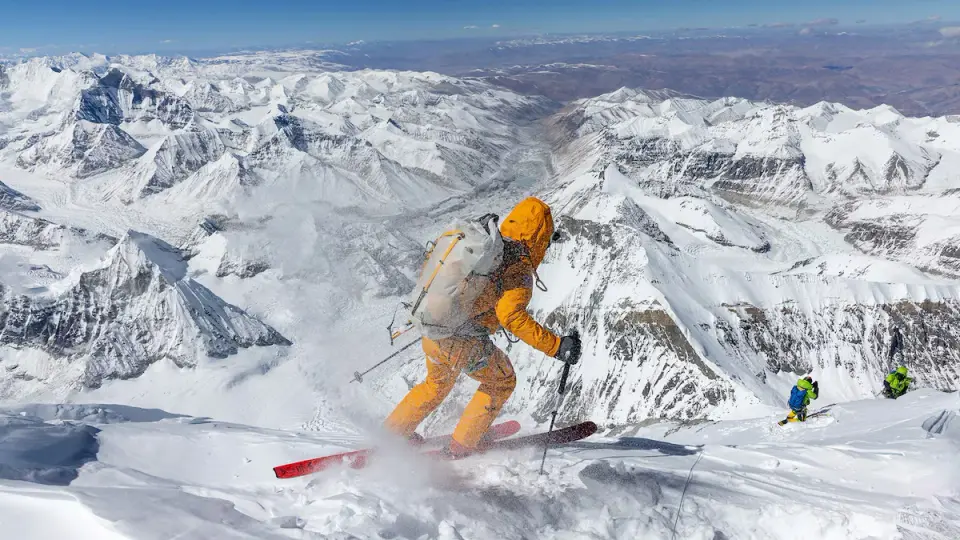
Jim Morrison completed the first-ever ski descent of Mount Everest’s north face via the Super Direct route in October 2025, a feat he pursued as a tribute to his late partner, Hilaree Nelson. The achievement, documented in the new film 'Everest: The Other Side,' followed three years of failed attempts and significant personal tragedy, including the 2022 death of Nelson and the 2011 plane crash that killed Morrison’s wife and children.
Key points
- Morrison skied the 9,000-foot Super Direct route from the summit of Everest to the Rongbuk Glacier in four hours, a line previously considered impossible to ski.
- The project was originally a joint goal with Hilaree Nelson, who died in an avalanche on Manaslu in 2022 while training for the expedition.
- Morrison had previously lost his wife and two children in a 2011 plane crash, which he cites as a foundational trauma that shaped his relationship with risk and mortality.
- The documentary 'Everest: The Other Side,' directed by Jimmy Chin and Elizabeth Chai Vasarhelyi, premieres in theaters on October 30, 2026.
- Morrison’s team faced severe obstacles, including a 28-hour rescue of a Sherpa with a broken leg and permit delays from the Chinese government.
Background
Morrison’s journey is part of a broader narrative of elite athletes coping with trauma, as noted in our October 2026 coverage of contrasting Everest films. While 'Tenzing' frames climbing as spiritual communion, Morrison’s story highlights the physical and emotional toll of pursuing extreme goals after personal loss. His experience mirrors the struggles of other North Face team members, such as the 2026 death of Guillaume Pierrel, which has led the brand to integrate psychotherapy into its athlete support programs.
How outlets are covering it
Adventure Magazine emphasizes the spiritual and emotional dimensions of Morrison’s climb, focusing on his grief and the 'holy grail' nature of the route. Outside Magazine provides a detailed technical breakdown of the film’s production, highlighting the logistical challenges and the roles of cinematographers like Erich Roepke and Savannah Cummins. The New Yorker focuses on Morrison’s psychological state, describing his descent as a 'twisted kind of exultation' and noting his current residence in a modest Tahoe home. All sources agree on the historical significance of the descent but differ in their emphasis: Adventure on the emotional tribute, Outside on the filmmaking process, and The New Yorker on the personal aftermath.
Why it matters
This achievement redefines the limits of ski mountaineering and highlights the complex relationship between risk, grief, and legacy in extreme sports. The release of 'Everest: The Other Side' invites public debate on the ethics of high-altitude expeditions and the role of media in shaping perceptions of danger. Morrison’s story also underscores the growing integration of mental health support in professional climbing, as seen in The North Face’s response to recent fatalities.
What to watch
Morrison has stated he wants to 'enjoy the moment' and is currently focused on rock climbing rather than new high-altitude projects. The documentary's release may influence public perception of mountaineering risks and inspire further discussions on athlete mental health. Morrison has also sold his Telluride property, signaling a move away from the location that served as a constant reminder of his loss.
- What Compelled Jim Morrison to Ski Down the Highest Mountain on Earth? National Geographic
- ‘Everest: The Other Side’ Review: Chancing Death The New York Times
- To Make ‘Everest: The Other Side,’ Jim Morrison Had to Cheat Death One More Time Outside Magazine
- How Jim Morrison Surmounted Tragedy and Skied Down Everest The New Yorker
- 2 Unfathomable Tragedies Took Jim Morrison's Family. He Found Peace on Everest's Most Dangerous Face Men's Journal
Want the full story? Read the original reporting
Read on National Geographic