
Spain mourns 69 dead in second high-speed rail crash as control center error sparks political crisis
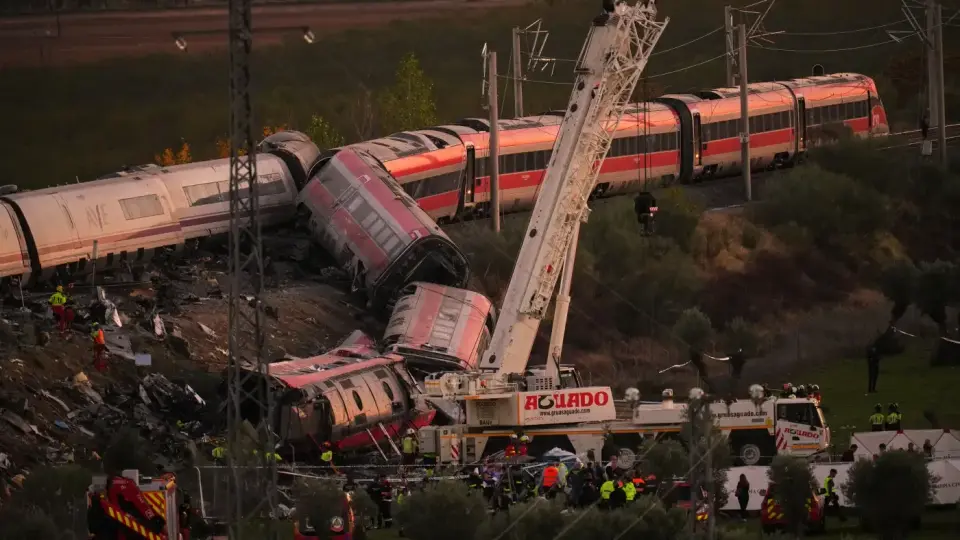
A signaling failure and erroneous manual override caused a high-speed train to rear-end a stationary service near Toledo, killing 69 people. This second fatal crash in 2026 has triggered national mourning, protests, and intense political scrutiny ahead of Spain’s November election.
Key points
- At least 69 people died and over 100 were injured when a Renfe high-speed train collided with a stationary Iryo train near Urda, Toledo, on October 28.
- Transport Minister Óscar Puente stated that a computer malfunction halted all trains, but a central control center erroneously authorized the Renfe train to resume at full speed despite a red signal.
- Prime Minister Pedro Sánchez declared three days of national mourning and pledged an investigation, calling the double disaster unacceptable for a country with such a prestigious rail network.
- The incident occurred four weeks before national elections, intensifying pressure on Sánchez’s government amid existing corruption allegations and housing crisis protests.
- Protests erupted in Madrid, with demonstrators clashing with police outside the transport ministry, while the far-right Vox party continued campaigning despite the tragedy.
Background
This is the second fatal high-speed rail incident in Spain in 2026. In January, 46 people died when a train derailed and struck another in Córdoba province. Spain’s high-speed rail network, second only to China in track mileage, had not experienced a deadly crash since 2013. The current crisis follows weeks of protests over housing costs and rising rents, which prompted Sánchez to call for early elections.
How outlets are covering it
NPR and BBC emphasize the human tragedy and the government’s pledge to restore trust, while CNN and NBC News focus on the political fallout and public anger. CNN highlights the specific technical failure involving the LZB safety system and the trade union CSIF’s call for Puente’s resignation. NBC News notes the clash between protesters and police, contrasting the suspension of campaign events by the ruling PSOE and opposition PP with the continued campaigning by far-right Vox. All sources agree that the crash was caused by a combination of system failure and human error at the control center, but they differ in emphasis: some focus on the 'inexplicable' nature of the decision, while others highlight the broader context of infrastructure neglect and political instability.
Why it matters
The crash has severely damaged public confidence in Spain’s rail infrastructure and intensified scrutiny of the Sánchez government ahead of the November 29 election. It has exposed potential failures in safety protocols and manual overrides, raising questions about the long-term sustainability of the high-speed network. The incident has also fueled social unrest, linking rail safety to broader grievances over housing and corruption, potentially influencing voter sentiment in a critical election.
What to watch
A full investigation into the crash is underway, with the Civil Guard identifying victims through DNA. The transport minister faces pressure to resign, and the government has promised compensation for victims' families. The national election is scheduled for November 29, where the impact of this disaster on voter confidence and party standings will be closely watched. The train drivers' union Semaf has also proceeded with a planned strike to demand stronger safety measures.
- Spain reckons with 2nd deadly train crash of the year ahead of national election NPR
- What caused the deadly train crash in Spain? What we know so far CNN
- Firefighter and Wife Survived Spain Train Crash, Then Helped Save Victims People.com
- Families desperate for news as rescuers work to identify Spanish train crash victims BBC
- Protests erupt in Spain after train crash kills dozens NBC News
Want the full story? Read the original reporting
Read on NPR