
Hong Kong sentences Tiananmen vigil leaders to up to seven years in national security case
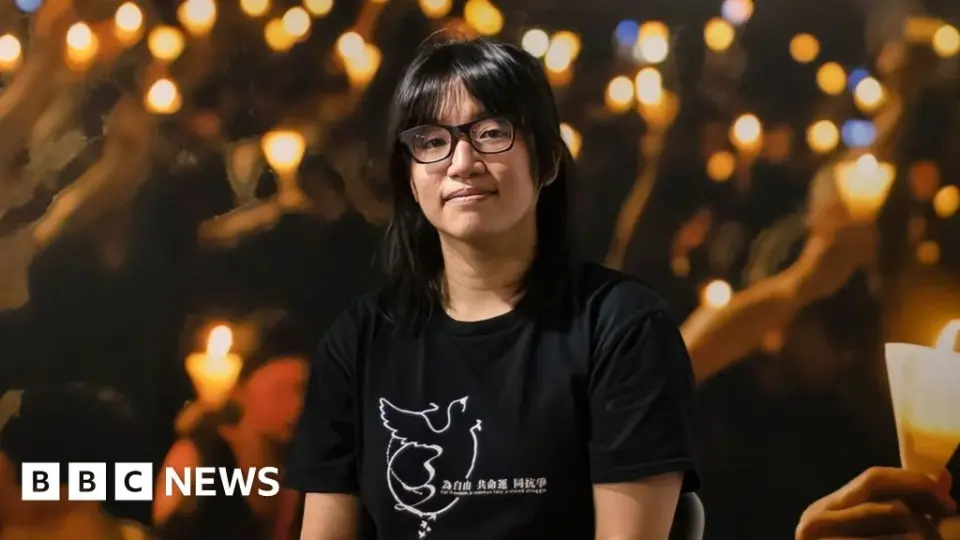
Three former leaders of the Hong Kong Alliance have been sentenced to prison terms ranging from five to seven years and three months for organizing annual vigils commemorating the 1989 Tiananmen Square crackdown. Lee Cheuk-yan and Chow Hang-tung were convicted of inciting subversion under the national security law, while Albert Ho pleaded guilty. The court also fined the disbanded group HK$1.5 million. The sentences mark the end of a decades-long public commemoration tradition in Hong Kong, which was banned in 2020 and subsequently prosecuted under Beijing-imposed security legislation.
Key points
- Lee Cheuk-yan, 69, was sentenced to seven years in prison; Chow Hang-tung, 41, received seven years and three months; and Albert Ho, 74, received five years and two months after pleading guilty.
- The defendants were convicted of inciting others to subvert state power, with the court ruling that the group's slogan 'end one-party dictatorship' constituted unlawful incitement against the Chinese Communist Party.
- The Hong Kong Alliance, which organized the vigils for over three decades, was fined HK$1.5 million ($191,000) and had previously disbanded in 2021 under pressure from the national security law.
- The annual vigils, which drew tens of thousands of participants, were banned in 2020 citing pandemic restrictions and never resumed; the site is now occupied by pro-Beijing carnivals around the anniversary date.
- Chow Hang-tung, who represented herself in court, stated that the conviction effectively criminalizes the pursuit of democracy, while Lee Cheuk-yan’s wife indicated plans to appeal the sentence.
Background
This sentencing follows the August 2026 conviction of Lee and Chow, with Albert Ho having pleaded guilty in January 2026. The case is part of a broader crackdown on dissent in Hong Kong since the imposition of the national security law in 2020, which has led to the shutdown of numerous civil society groups. Earlier coverage noted that the vigil tradition was the only large-scale public commemoration of the 1989 events on Chinese soil, a space that has been systematically eroded through legal and physical measures, including the removal of memorials and the detention of individuals attempting to mark the anniversary.
How outlets are covering it
BBC and NBC News report the factual sentencing details and the reactions of the defendants' families, noting Lee’s wife’s call for an appeal and Chow’s mother’s plea for supporters not to feel guilty. The Guardian emphasizes the historical significance of the case, highlighting that the vigils were permitted for over 35 years before being reclassified as subversion, and notes the intense public interest with people queuing for days to attend the sentencing. The Washington Post opinion piece frames the convictions as a symbolic end to Hong Kong’s distinct freedoms, arguing that the court has turned a decades-long peaceful commemoration into a criminal act. While authorities and Hong Kong leader John Lee argue the law is necessary to maintain stability and that the activists engaged in criminal acts after 2020, critics including Amnesty International and Human Rights Watch describe the sentences as a 'triple tragedy' that exposes a government afraid of memory. Western governments, including the US and UK, condemned the verdict as a further erosion of freedom of expression, contrasting with the Chinese government's stance that the law is essential for order.
Why it matters
The sentencing of the Tiananmen vigil organizers signifies the final legal closure of a major pro-democracy symbol in Hong Kong, reinforcing the reach of the national security law beyond political activism into historical remembrance. It demonstrates the long-term impact of the 2020 legislation on civil society, where even past activities are subject to retroactive prosecution. The case also highlights the tightening of control over public space and expression, as evidenced by the replacement of vigils with pro-Beijing events and the detention of individuals for minor commemorative acts, signaling a broader chilling effect on dissent in the region.
What to watch
Lee Cheuk-yan’s wife has indicated that he intends to appeal his sentence, suggesting further legal proceedings may follow. The fate of the 'Pillar of Shame' memorial, which was removed from a university campus in 2021, remains a potential legal issue linked to the case. Additionally, the ongoing enforcement of the national security law and the 2024 Article 23 legislation are expected to continue suppressing public dissent, with authorities likely to maintain a heavy police presence and detain individuals attempting to mark the June 4 anniversary in the future.
- Hong Kong's Tiananmen activists sentenced to up to seven years in prison BBC
- Hong Kong court sentences 3 Tiananmen vigil organizers to prison NPR
- Organizers of Hong Kong’s Tiananmen vigils sentenced to up to 7 years and 3 months in national security case NBC News
- Tiananmen Square vigil organisers jailed for seven years in Hong Kong The Guardian
- Opinion | This slogan infuriates Beijing. Judges have turned it into a crime. washingtonpost.com
Want the full story? Read the original reporting
Read on BBC