
U.S. import bans on Canadian alcohol, dairy, and motorcycles take effect amid trade standoff
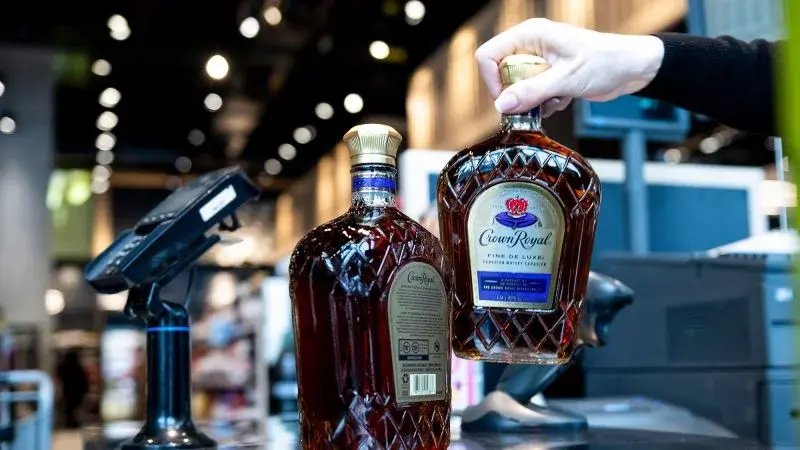
President Donald Trump’s import bans on Canadian alcohol, dairy, and motorcycles took effect at midnight ET on September 29, 2026. The restrictions target approximately $1 billion in Canadian goods, including $800 million in alcoholic beverages. While the bans are legally grounded in the Smoot-Hawley Tariff Act, exemptions for bulk shipments allow brands like Crown Royal to continue selling in the U.S. The move escalates a tit-for-tat trade dispute, with Trump predicting Canada will seek a deal within weeks, while Canadian Prime Minister Mark Carney remains silent on immediate negotiations.
Key points
- The bans cover $800 million in Canadian alcohol, plus dairy and motorcycles, totaling nearly $1 billion in imports.
- Whisky and liqueurs in containers larger than four liters are exempt from the ban and tariffs.
- Crown Royal avoids the ban by shipping bulk whisky to U.S. bottling facilities.
- Trump cited Section 338 of the Smoot-Hawley Tariff Act, a law not used this way by previous presidents.
- Canadian Prime Minister Mark Carney has not confirmed any intent to negotiate a deal before the U.S. midterms.
Background
This escalation follows months of cross-border tensions, including a 2026 dispute over the renaming of Lake Ontario and a 2026-09-26 federal judge halting Trump’s media ban. The trade war began with Canadian provinces banning U.S. alcohol in March 2025, which U.S. officials describe as a retaliatory response to threatened tariffs. The current bans are part of a broader tit-for-tat cycle involving dairy and motorcycles, reflecting a deepening breakdown in one of the world’s closest trading relationships.
How outlets are covering it
CNN emphasizes the symbolic nature of the alcohol ban, noting that experts believe most American shoppers will not immediately notice shortages due to prior stockpiling and exemptions. Inu Manak of the Peterson Institute for International Economics calls the move 'unprecedented' and a 'major deviation' from U.S. trade policy, arguing it is an escalation tactic to force Canadian negotiators to the table. USA Today details the specific product categories affected, highlighting that Crown Royal sidesteps the ban via bulk shipments, while dairy and motorcycle restrictions target broader industrial sectors. Yahoo News frames the event as a $1 billion trade disruption, focusing on the legal mechanism of the Smoot-Hawley Act. Global News comments reflect polarized public opinion, with some Canadians viewing the bans as a result of U.S. aggression, while others criticize Prime Minister Carney for not securing a deal. Industry leaders, such as Chris Swonger of the Distilled Spirits Council of the United States, express dismay, stating that the trade war is 'unfortunate' and that the industry prefers to 'compete by sip and taste, not tariffs.'
Why it matters
The bans disrupt supply chains for key consumer and industrial goods, potentially raising prices for U.S. consumers and harming Canadian exporters. With 93% of Canadian spirits sold in the U.S., the restrictions threaten the viability of Canadian distillers. The use of the Smoot-Hawley Act sets a legal precedent that could be challenged in courts, as no prior president has used it for import bans. The standoff also risks spilling into other sectors, including energy and agriculture, as both nations escalate retaliatory measures ahead of the U.S. midterm elections.
What to watch
Trump has predicted that Canada will seek a deal within three to four weeks, claiming that Canadian officials are 'calling all the time.' However, Prime Minister Mark Carney has not confirmed any negotiations. The U.S. midterm elections in November 2026 may influence the pace of trade talks, as both sides assess political costs. Industry groups are lobbying both governments to return to the negotiating table, while Canadian provinces and U.S. states monitor the impact on local businesses and consumer prices. Any last-minute breakthrough could avert further escalation, but the current trajectory suggests a prolonged trade dispute.
- Trump just banned Canadian booze — but there’s a big catch CNN
- U.S. Bans Canadian Motorcycles, Dairy and Liquor The New York Times
- Trump's Canada import ban kicks off Sept. 29 at midnight USA Today
- From motorcycles to booze, US ban on $1 billion worth of Canadian imports goes into effect Yahoo
- New U.S. bans to take effect Tuesday: Here’s what’s affected Global News
Want the full story? Read the original reporting
Read on CNN