
Oleshky Evacuation Begins Under Ceasefire, But Route Through Russia Raises Deportation Fears
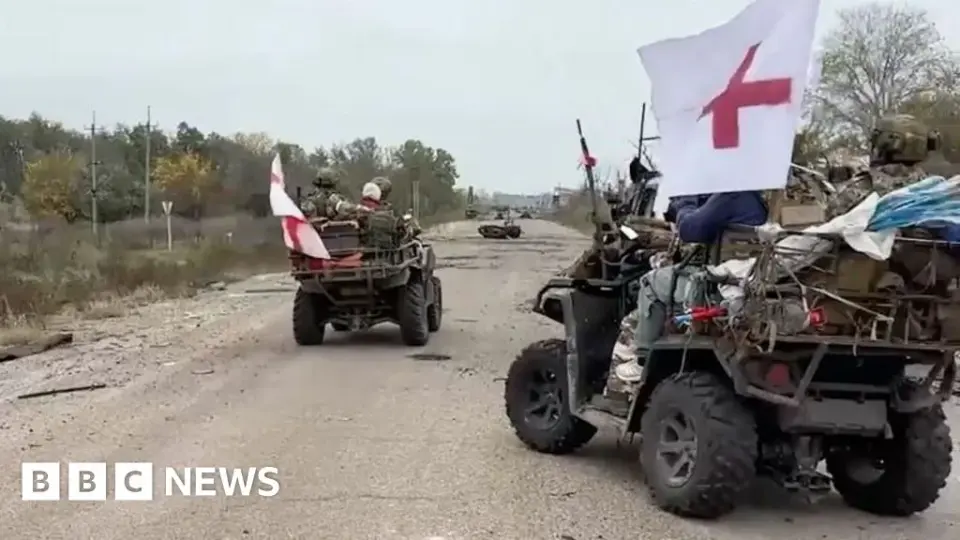
A ceasefire brokered by US First Lady Melania Trump has enabled the first evacuation of Russian-occupied Oleshky in four years. A 25-bus convoy is moving up to 750 residents through Russian-controlled territory to Belarus, while hundreds choose to stay. The route bypasses Ukrainian-held land, raising concerns about forced deportation.
Key points
- The evacuation corridor opened on October 29 following a ceasefire effective from October 27 to November 1, allowing demining of the road out of Oleshky.
- Ukraine’s human rights ombudsman Dmytro Lubinets confirmed that residents can choose to leave or stay, with humanitarian aid promised for those who remain.
- Evacuees are routed through Russian-occupied territory to Anapa, then by plane to Gomel in Belarus, before crossing into Ukraine’s Chernihiv region.
- Several hundred residents have opted to stay, citing lack of gas, electricity, and water, or personal reasons such as keeping pets.
- Russian authorities have prepared dozens of tonnes of aid, including food, medicine, and fuel, for those remaining in the town.
Background
Oleshky has faced a severe humanitarian crisis since May 2026, with residents surviving on weeds and lacking basic utilities. Previous attempts at aid delivery via drone were intercepted by Russian forces, and no official evacuation had occurred since the start of the full-scale invasion in 2022. The current ceasefire marks the first significant pause in hostilities in the Kherson region since 2022.
How outlets are covering it
BBC reports that the evacuation is proceeding with a four-hour window and emphasizes the choice of residents to stay or leave, highlighting emotional scenes and logistical challenges. The Institute for the Study of War (ISW) raises concerns that the route through Russian-controlled areas may facilitate forced deportation or passportization, noting that evacuees are transferred to Crimea and Russia before reaching Ukraine. ISW also points to broader patterns of Russian coercion in occupied territories, including child separation and language policies, which may influence the outcomes of this evacuation.
Why it matters
This evacuation is the first in four years for Oleshky, a symbol of the humanitarian crisis in Russian-occupied Ukraine. The route through Russian territory raises international concerns about the safety and autonomy of evacuees, potentially setting a precedent for future evacuations. The ceasefire also represents a rare moment of peace in the Kherson region since 2022, offering a glimpse of what could be possible with sustained diplomatic efforts.
What to watch
The ceasefire is set to end on November 1. The success of the evacuation will depend on the cooperation of both sides and the ability to ensure that evacuees reach Ukrainian territory without coercion. Further humanitarian aid is expected for those who choose to stay, but the long-term situation remains uncertain.
- Residents leave devastated Russian-occupied Oleshky as evacuation corridor opens BBC
- Opinion | The terrifying catch in Melania Trump’s Ukraine ceasefire The Washington Post
- A Rare Rescue, Announced by Melania Trump, Begins in a Besieged Ukrainian City The New York Times
- Russia, Ukraine say Oleshky demining operations complete, humanitarian operation to proceed Reuters
- Russian Occupation Update, October 29, 2026 Institute for the Study of War
Want the full story? Read the original reporting
Read on BBC