
Deadliest Houthi Strike in a Decade Kills 12 at Riyadh Airport
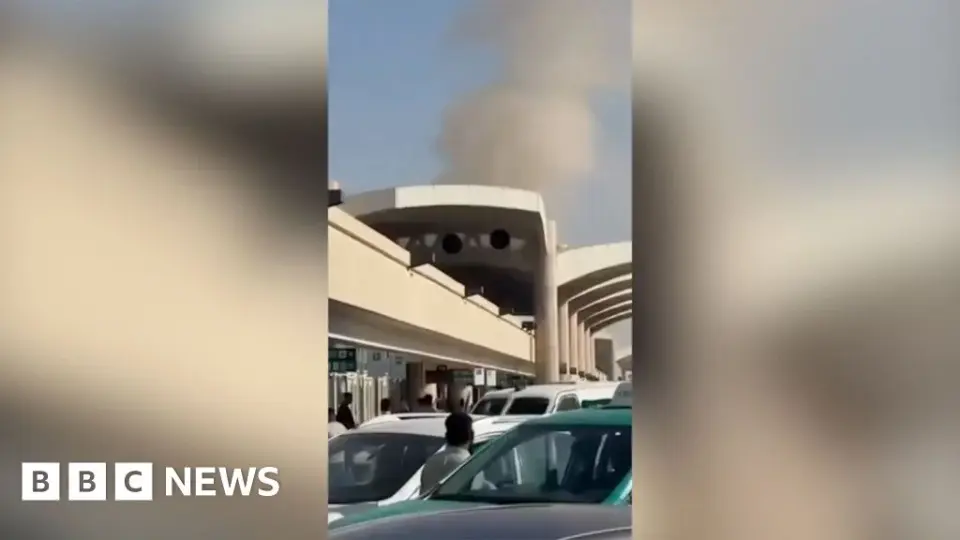
A projectile strike on King Khalid International Airport in Riyadh killed at least 12 people and injured 309, marking the deadliest attack in Saudi Arabia since 2015. The Saudi-led coalition blamed the Iran-backed Houthis, who previously admitted to strikes on the same airport earlier in the week. Operations at the airport have been suspended, and international leaders have condemned the incident as a violation of international law.
Key points
- At least 12 people were killed and 309 injured in an attack on King Khalid International Airport in Riyadh, with some victims in critical condition.
- The Saudi civil aviation authority confirmed the deaths included four Saudis, two Bangladeshis, and one each from the US, Jordan, Palestine, Syria, Sudan, and Egypt.
- The Saudi-led military coalition labeled the strike a 'war crime' and vowed to respond, while the Houthis have not yet commented on this specific Saturday attack.
- The Houthis previously claimed responsibility for strikes on the same airport on Thursday that killed three people and damaged a plane.
- UN Secretary-General António Guterres called the attacks a 'violation of international law' that must cease immediately, while US President Donald Trump indicated the US may join Saudi strikes against the Houthis.
- The attack is the deadliest in the kingdom since May 2015, occurring amid escalating tensions between the Saudi-backed government and the Houthis in Yemen.
Background
This incident follows a significant escalation in regional hostilities, including a missile strike on Riyadh and a security alert in Mecca in late September. Saudi Arabia had recently summoned military chiefs from Turkey and Pakistan to discuss collective defense measures amid intensifying Houthi strikes. The conflict in Yemen has worsened since the Houthis seized key Red Sea coastlines, leading to a 'maritime embargo' and retaliatory attacks on Saudi infrastructure. The current strikes occur as efforts to end the conflict between the US and Israel have stalled, with the Houthis aligning themselves with the Iranian-led 'axis of resistance' against the West.
Why it matters
The attack highlights the fragility of the informal truce in Yemen and the potential for broader regional conflict. With the US considering direct military action against the Houthis and the Saudi-led coalition vowing retaliation, the situation risks drawing in major global powers. The suspension of operations at Riyadh's main airport disrupts global travel and trade, while the escalation underscores the humanitarian crisis in Yemen and the strategic importance of the Red Sea for global shipping.
What to watch
The Saudi-led coalition is expected to carry out retaliatory strikes against Houthi targets in Yemen. The US is likely to make a decision on whether to join these strikes, as indicated by President Trump. Schools in Riyadh have switched to remote learning, and Western embassies are advising citizens to avoid the airport area until it is secure. The Houthis may issue a statement regarding the Saturday attack, potentially escalating the rhetoric and military exchanges further.
Want the full story? Read the original reporting
Read on BBC