
Yemeni Forces Claim Retaking of Mokha and Bab al-Mandab Amid Escalating Houthi Strikes
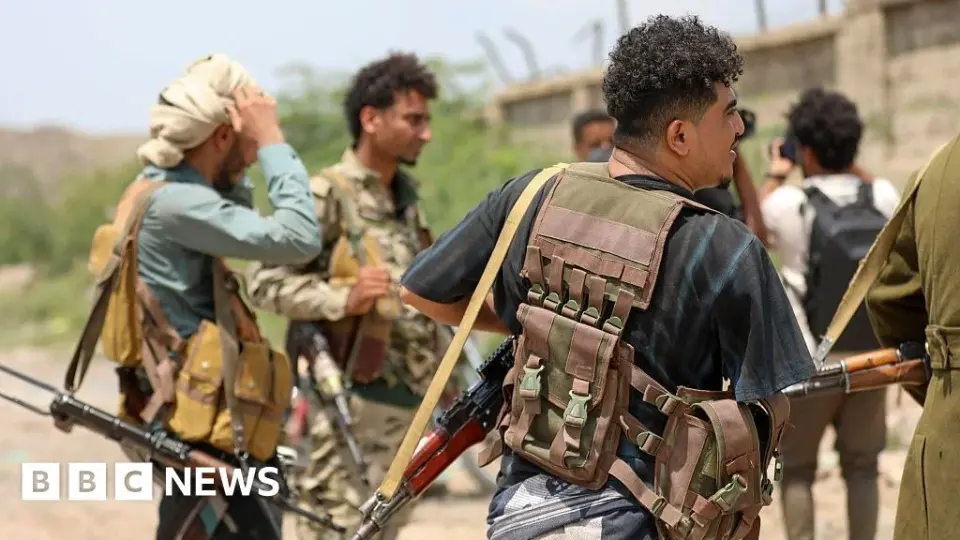
Yemeni government forces, backed by Saudi air strikes, claim to have retaken the Red Sea city of Mokha and secured the Bab al-Mandab Strait in a major offensive against the Houthis. However, conflicting reports suggest government troops only reached the city's outskirts, while the Houthis deny losing control. The conflict has escalated with Houthi missile and drone attacks on Saudi oil facilities and airports, prompting Saudi Arabia to destroy over 300 targets. International reactions include UN condemnation of cross-border attacks and emergency military deployments by Turkey and Pakistan under a joint defense pact. The fighting, part of the broader 'Operation Yemen Dawn,' aims to reclaim all Houthi-held territory but faces significant resistance, with civilian casualties rising and shipping routes remaining disrupted.
Key points
- Yemeni military claims capture of Mokha and Bab al-Mandab Strait, but sources indicate forces only reached outskirts.
- Houthis deny losing territory and retaliate with strikes on Saudi airports and Aramco oil facilities.
- Saudi-led coalition reports destroying 324 high-value targets in support of pro-government forces.
- Turkey and Pakistan invoke the Mecca Joint Defence Agreement to deploy troops to Saudi Arabia.
- UN Secretary-General Guterres condemns Houthi cross-border attacks and expresses concern over escalation.
Background
This escalation follows the Houthis' seizure of Mokha and Perim Island in September 2026, which tightened their grip on the Bab al-Mandab Strait and disrupted Red Sea shipping. Prior to this, the Houthis had imposed a maritime embargo on Saudi Arabia in July 2026, leading to missile and drone attacks on Saudi infrastructure. The current offensive, 'Operation Yemen Dawn,' was announced by Yemen's Presidential Leadership Council after the Houthis cut a mountain road near Taiz, isolating government forces. The conflict is part of a broader civil war that began in 2014, with Saudi-led intervention in 2015, and has seen a fragile ceasefire unravel since July 2026.
How outlets are covering it
BBC reports that Yemeni forces captured Mokha and secured the Bab al-Mandab Strait, but notes conflicting reports from Reuters and AFP that forces only reached the city's outskirts. Al Jazeera highlights the Saudi-led coalition's efforts to neutralize Houthi missile threats and the government's claims of repelling Houthi attacks in Dhubab district. The Houthis, via their media, deny losing control of Mokha and Bab al-Mandab, calling the claims 'Saudi propaganda.' International perspectives include UN Secretary-General Guterres condemning Houthi cross-border attacks, while Turkey and Pakistan invoke the Mecca Joint Defence Agreement to deploy troops to Saudi Arabia. Saudi Arabia condemns Houthi strikes and calls for UN Security Council support for Yemen's government.
Why it matters
The conflict threatens global oil supplies and shipping routes through the Red Sea, which have been disrupted since the Houthis' seizure of key ports. Escalating violence risks further displacement and civilian casualties, with over 959 people killed and 197,000 displaced since August 2026. The involvement of regional powers like Saudi Arabia, Turkey, and Pakistan, along with UN condemnation, indicates the potential for broader regional instability. The Houthi attacks on Saudi oil facilities and airports could impact global energy markets and diplomatic relations, while the offensive aims to reshape the balance of power in Yemen and the Red Sea.
What to watch
The offensive 'Operation Yemen Dawn' is expected to continue, with government forces aiming to reclaim all Houthi-held territory, including Sanaa. The Houthis are likely to continue retaliatory strikes on Saudi infrastructure, potentially escalating the conflict. International actors, including the UN and regional powers, may increase diplomatic and military support for the Yemeni government. The situation in the Red Sea could see further disruptions to shipping and oil flows, with potential impacts on global energy prices. Monitoring the progress of the offensive and the response of the Houthis will be crucial in determining the next phase of the conflict.
- Yemeni military says it has retaken Mokha and 'secured' Red Sea waterway BBC
- Iran war live: Yemen forces reclaim strategic port city Mocha from Houthis Al Jazeera
- Saudi Arabia launches new military offensive against the Iran-backed Houthis NPR
- Yemeni government forces seize strategic strait from Houthis Reuters
- Saudi-Led Forces Claim Ground Advances in Yemen Against Houthis Bloomberg.com
Want the full story? Read the original reporting
Read on BBC