
Cornell rape case reignites debate over ketamine abuse and campus accountability
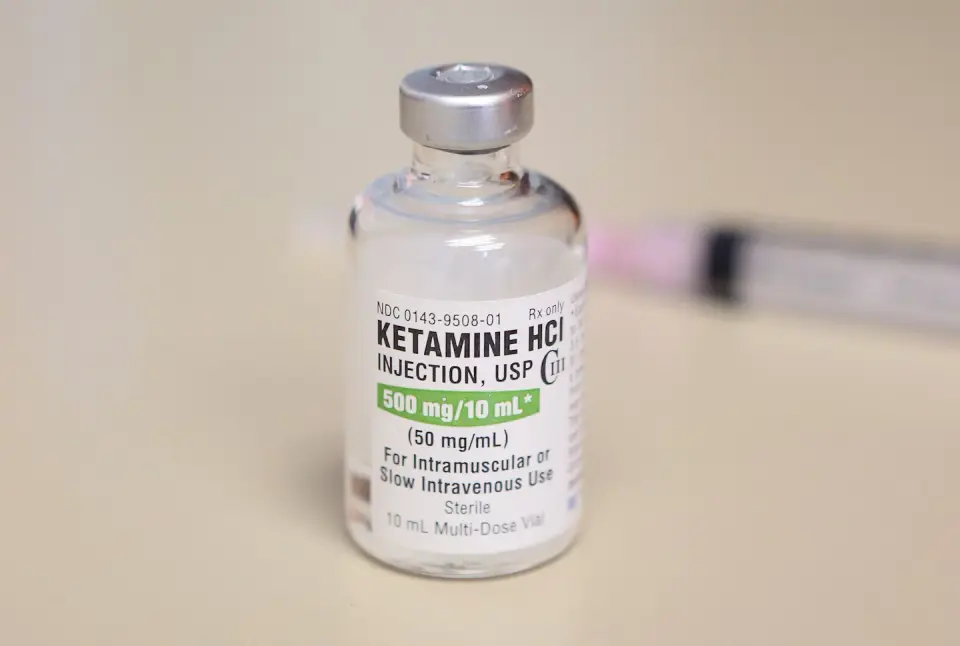
New York prosecutors are reopening the criminal investigation into a 2024 alleged gang rape at a Cornell University fraternity house, where a student claims she was forced to use ketamine and alcohol. While the university maintains it imposed expulsions and closed the fraternity, critics argue the initial lack of criminal charges and the drug's role in incapacitation highlight systemic failures in campus safety and legal response.
Key points
- Tompkins County District Attorney Matthew Van Houten announced the reopening of the criminal investigation into the 2024 incident at the Chi Phi fraternity house.
- The victim, identified as 'Jane Doe' in a civil lawsuit, alleges she was raped by seven men after being forced to snort ketamine and drink alcohol.
- Cornell University states its Title IX investigation resulted in expulsions and suspensions, and the fraternity chapter was closed in 2024.
- Ketamine is an FDA-approved anesthetic that can cause hallucinations and dissociation, and is frequently abused as a date rape drug.
- Hollywood figures, including Florence Pugh and Mariska Hargitay, have publicly condemned the allegations, contributing to a surge in calls to the National Sexual Assault Hotline.
Background
This case follows a civil lawsuit filed in September 2026 by a former Cornell student alleging she was drugged and gang-raped in October 2024. Previous coverage noted that the Tompkins County District Attorney initially declined to file criminal charges, citing insufficient evidence, while Cornell conducted a separate Title IX investigation. The current development marks a shift from civil litigation to renewed criminal scrutiny, distinct from unrelated cases involving drugging and assault in Massachusetts and the UK.
How outlets are covering it
The Washington Post focuses on the pharmacological properties of ketamine, noting its dual role as a medical anesthetic and a substance abused for incapacitation, while highlighting the dangers of mixing it with alcohol. Cornell University’s official statement defends its institutional response, asserting that the Title IX process led to severe sanctions, including expulsions, and rejecting claims that the university failed to punish the accused. USA Today emphasizes the broader social impact, noting that celebrity advocacy has amplified the case and led to a significant increase in calls to sexual assault hotlines, while legal experts like Gloria Allred criticize the initial failure of law enforcement to review the victim's statement before declining charges.
Why it matters
The reopening of the criminal investigation signals a potential shift in how universities and law enforcement handle sexual assault cases involving incapacitating drugs. The public outcry and media attention may pressure institutions to improve their response to allegations of drugging and gang rape, while also influencing public understanding of ketamine's risks in non-medical contexts.
What to watch
The Tompkins County District Attorney’s office will review the case for potential criminal charges, while the civil lawsuit proceeds with discovery that may uncover new evidence. Cornell University will likely continue to defend its Title IX sanctions, and the case may influence future policies regarding fraternity conduct and campus safety protocols.
- What is ketamine, the drug at the center of the alleged rape at Cornell? The Washington Post
- Hochul Names Letitia James as Special Prosecutor in Cornell Case The New York Times
- District Attorney’s investigation of 2024 sexual assault allegations Cornell University statements
- Hollywood is speaking out about the Cornell rape. Here’s why it matters USA Today
- What we know about the Cornell University rape investigation Reuters
Want the full story? Read the original reporting
Read on The Washington Post