
Keffe D Convicted in Tupac Murder; Investigators and Family React to 30-Year Resolution
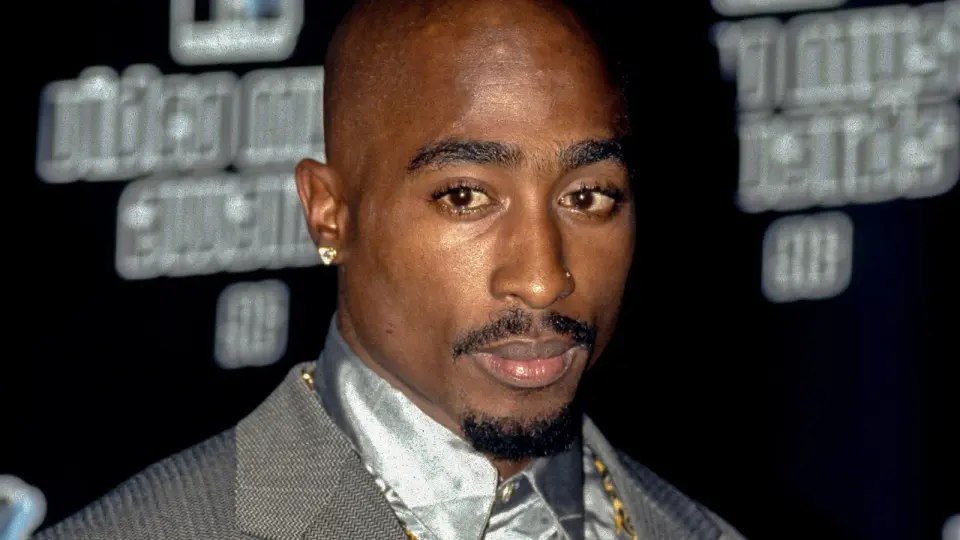
A Las Vegas jury convicted Duane 'Keffe D' Davis of first-degree murder in the 1996 killing of rapper Tupac Shakur after just three hours of deliberation. The verdict, which ended a 30-year investigation, relied heavily on Davis's own recorded confessions and public statements. Former LAPD detective Greg Kading, who led the original task force, called the result a 'vindication,' while Davis's defense attorney argued the jury ignored evidence and harbored 'preconceived notions.' Shakur's family expressed relief and gratitude, and Davis faces sentencing on October 13, with a maximum penalty of life in prison.
Key points
- Jury convicted Duane 'Keffe D' Davis of first-degree murder in the 1996 drive-by shooting of Tupac Shakur in Las Vegas.
- Deliberation lasted less than three hours; Davis faces a maximum sentence of life in prison, with sentencing set for October 13, 2026.
- Prosecutors argued Davis provided the gun and orchestrated the attack as retaliation for a gang dispute involving his nephew, Orlando 'Baby Lane' Anderson.
- Former LAPD detective Greg Kading, who led the 2008 task force, celebrated the verdict as 'vindication' and credited his 2010 book for breaking the case.
- Defense attorney Michael Sanft claimed the jury had 'preconceived notions' and failed to review all evidence, planning an appeal.
- Tupac's family, including cousin Aiysha Obafemi, called the verdict 'elated and relieved,' honoring the late mother Afeni Shakur's persistence.
Background
The 1996 murder of Tupac Shakur remained unsolved for nearly three decades, becoming a cultural symbol of unresolved justice in the 1990s. In 2008, a joint LAPD task force, led by Greg Kading and Daryn Dupree, approached Davis in connection with the Notorious B.I.G. murder case. Davis's subsequent proffer interview and 2019 memoir 'Compton Street Legend' provided the pivotal evidence that prosecutors used to overcome legal protections and secure a trial. The case had been stalled by legal disputes over the admissibility of Davis's recorded statements and his public retractions of those statements.
How outlets are covering it
Rolling Stone emphasized the emotional and professional vindication for Greg Kading, highlighting his role in cracking the case and his celebration of the verdict. The Washington Post framed the conviction as a cultural milestone, noting that the time to secure a conviction exceeded Shakur's own lifespan, reflecting on the trauma of the 1990s. CBS News focused on the defense's perspective, quoting attorney Michael Sanft's claims that the jury was biased and that the conviction lacked factual corroboration. ABC News centered the reaction of Shakur's family, highlighting their gratitude and the legacy of Afeni Shakur's advocacy. The outlets diverged on the strength of the evidence: Rolling Stone and ABC News presented the conviction as a definitive resolution, while CBS News highlighted the defense's argument that the case rested solely on Davis's words without physical proof of his presence in Las Vegas.
Why it matters
The conviction closes a 30-year legal and cultural inquiry into one of the most high-profile unsolved murders in American music history. It validates the long-term investigative work of law enforcement and the persistence of Shakur's family. The case also highlights the complexities of using proffer agreements and public statements as evidence in criminal trials, setting a precedent for how past confessions can be leveraged decades later. The outcome may influence future gang-related murder cases and the admissibility of recorded statements in similar contexts.
What to watch
Davis's sentencing is scheduled for October 13, 2026, where he could face a maximum sentence of life in prison. His defense team has indicated plans to appeal the conviction, a process that could take over a year. The appeal will likely center on the admissibility of Davis's 2008 proffer statements and the judge's instructions regarding corroborating evidence. Public attention will remain on the case as the legal proceedings continue, with potential implications for how similar gang-related cases are prosecuted in the future.
- He Investigated Tupac’s Murder. Keffe D’s Verdict ‘Feels Like Vindication’ Rolling Stone
- Column | The Tupac verdict dresses a wound from the traumatic 1990s The Washington Post
- Defense attorney in Tupac murder trial believes jury had "preconceived notions" and didn't review all evidence CBS News
- 'Elated and relieved': Tupac's family reacts to guilty verdict ABC News - Breaking News, Latest News and Videos
- Tupac Murder Mastermind Finally Convicted After Three Decades The Daily Beast
Want the full story? Read the original reporting
Read on Rolling Stone