
Survivor of Tennessee’s botched execution describes ongoing agony and isolation
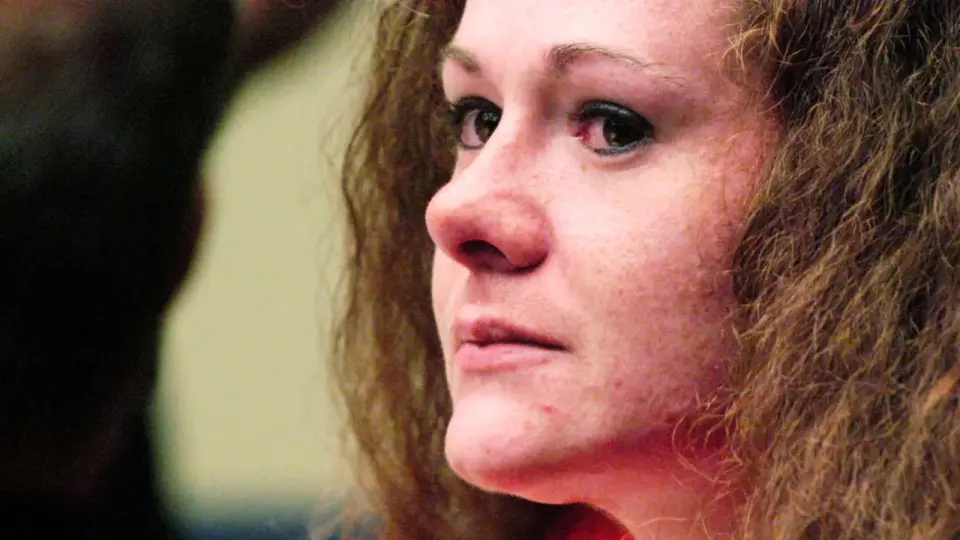
Christa Pike, who survived a failed lethal injection in Tennessee on September 30, released her first public statement on October 30. She described enduring constant physical and mental pain, including difficulty speaking and severe arm injuries, while remaining isolated in a prison medical ward. Governor Bill Lee has paused executions and ordered an independent review but indicated Pike’s sentence may remain unchanged unless courts rule otherwise. Legal teams are preparing new filings to challenge a potential second execution attempt, citing procedural failures and constitutional concerns.
Key points
- Pike stated she is in constant pain, with injuries to her arms, hands, and throat, and struggles to speak.
- She was hospitalized for 10 days after receiving two doses of pentobarbital that failed to kill her, likely due to IV complications.
- Pike has returned to the Debra K. Johnson Rehabilitation Center, where she remains isolated in the medical ward.
- Governor Bill Lee paused all executions and ordered a third-party review but said Pike’s sentence may remain unchanged unless courts rule otherwise.
- Pike’s attorneys are preparing new legal filings to challenge a potential second execution attempt, citing procedural failures and constitutional concerns.
Background
Pike was sentenced to death for the 1995 murder of 19-year-old Colleen Slemmer in Knoxville. She was 18 at the time. Her execution was scheduled for September 30 at Riverbend Maximum Security Prison but delayed by legal challenges. The failed attempt was the second unsuccessful execution in Tennessee in 2026, following a May postponement for Tony Carruthers. In 2022, over a third of US executions were botched or problematic, according to the Death Penalty Information Center.
How outlets are covering it
The Tennessean and CNN emphasized Pike’s physical and psychological suffering, quoting her statement about constant pain and isolation. The New York Times focused on her isolation and the broader implications of the botched execution. BBC highlighted the victim’s family’s perspective, with May Martinez calling the event a 'mess' and demanding an apology from the state. All outlets noted Governor Lee’s reluctance to commute Pike’s sentence, though BBC and CNN framed this as a failure to address systemic issues with the death penalty. The Tennessean detailed the 911 call delay and IV complications, while BBC and CNN focused on the legal battle over a potential second execution attempt.
Why it matters
The case highlights systemic failures in Tennessee’s lethal injection protocol, including IV complications and communication breakdowns that delayed emergency response. It raises constitutional questions about double jeopardy and cruel punishment if a second execution attempt is pursued. The incident has intensified scrutiny of capital punishment procedures and the state’s response to procedural failures.
What to watch
Pike’s attorneys are preparing new legal filings to challenge a potential second execution attempt, with a deadline set for late January. Governor Lee’s administration is finalizing a decision on the next Tennessee Department of Correction commissioner. The independent review into the failed execution is ongoing, and courts may rule on whether Pike’s sentence should be commuted or if a second attempt is permissible.
- Christa Pike speaks out after execution attempt: 'I'm deeply hurt' The Tennessean
- ‘My Body Hurts’: Christa Pike Describes Pain and Isolation After Botched Execution The New York Times
- US inmate Christa Pike says she woke up 'confused and in pain' after failed execution BBC
- Christa Pike makes first public comments since botched execution: ‘Healing is not the same as being okay’ CNN
- Christa Pike describes pain in first statement since failed execution KOMU 8
Want the full story? Read the original reporting
Read on The Tennessean