
Somali-American Uber Driver Mohamed Yusuf Dies; Prosecutors Plan to Upgrade Charges to Murder
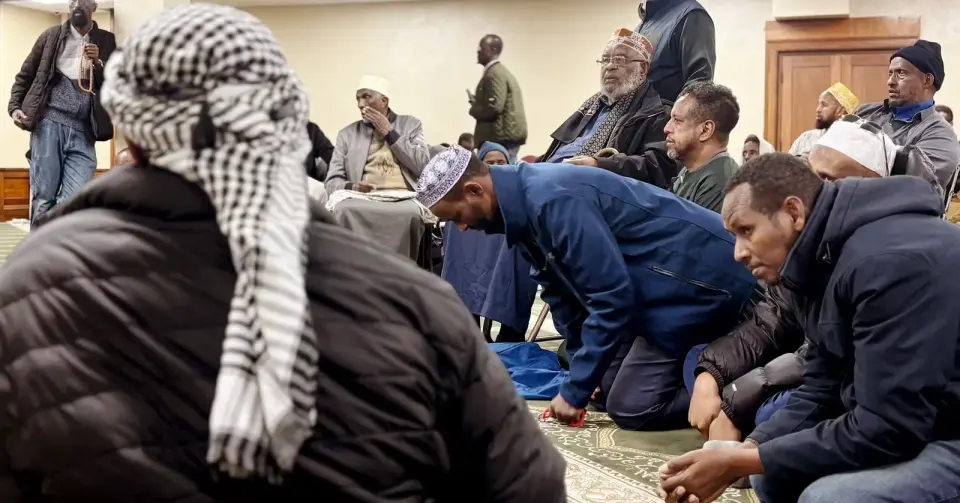
Mohamed Yusuf, a 51-year-old Somali-American Uber driver, died on Saturday from injuries sustained in a November 14 attack in Hopkins, Minnesota. Prosecutors plan to upgrade the charges against suspect Samit Apurva Patel from attempted murder to second-degree intentional murder. While community leaders allege the attack was motivated by anti-Somali bias, prosecutors state there is insufficient evidence to prove a bias motive beyond a reasonable doubt.
Key points
- Mohamed Yusuf died on Saturday morning at Hennepin County Medical Center after being attacked on November 14 in Hopkins, Minnesota.
- Hennepin County Attorney Mary Moriarty announced plans to amend the complaint against Samit Apurva Patel, upgrading the charge from second-degree attempted murder to second-degree intentional murder.
- Patel, 25, was released on an $800,000 conditional bond with electronic monitoring and is scheduled for a court appearance on December 16.
- CAIR-Minnesota and Yusuf’s family allege the attack was a hate crime motivated by anti-Somali bias, but prosecutors state there is insufficient evidence to prove a bias motive beyond a reasonable doubt.
- Yusuf’s family plans to hold a news conference on Monday to share further information about his death and funeral arrangements.
Background
Mohamed Yusuf was a well-known member of the Somali-American community in Minneapolis, serving as a founding member of Nuruliman Mosque and an active Uber driver. He had been hospitalized for two weeks following the November 14 attack, undergoing multiple surgeries for severe injuries including broken ribs, a broken leg, spinal injuries, collapsed lungs, and internal bleeding. The attack occurred after Patel allegedly expressed dislike for Yusuf’s name, leading to a confrontation. CAIR-Minnesota and other organizations have called for a hate crime investigation, but Minnesota does not have a specific hate crime law, using bias as a sentencing enhancement instead. Federal authorities have not reached out to the Hennepin County Attorney’s Office regarding the case.
How outlets are covering it
CAIR-Minnesota and Yusuf’s family emphasize the attack as a hate crime motivated by anti-Somali bias, citing Patel’s alleged statement that he did not like Yusuf’s name. Hennepin County Attorney Mary Moriarty acknowledges the potential for bias but states there is insufficient evidence to prove it beyond a reasonable doubt. Patel’s defense attorney, Catherine Turner, asks the public to withhold judgment as the case is still developing. Community members, including fellow Uber drivers and mosque members, mourn Yusuf as a beloved figure and advocate for justice, while some point to recent anti-Somali rhetoric from political figures as contributing to a hostile environment.
Why it matters
The death of Mohamed Yusuf highlights ongoing tensions and potential bias-motivated violence against Somali-American communities in Minnesota. The case underscores the challenges in prosecuting hate crimes without explicit legal frameworks and the impact of public rhetoric on community safety. It also raises questions about the adequacy of current legal processes in addressing bias-motivated violence and the need for federal involvement in such cases.
What to watch
Yusuf’s family is scheduled to hold a news conference on Monday to share further details about his death and funeral arrangements. Prosecutors will review additional information from the Hennepin County Medical Examiner’s Office to finalize the amended charges against Samit Apurva Patel. Patel’s next court appearance is set for December 16, where the upgraded charges will be formally presented. Community leaders and organizations will continue to advocate for justice and awareness of bias-motivated violence.
- Somali American Uber driver dies two weeks after attack on the job Star Tribune
- Uber driver allegedly attacked by passenger in Hopkins dies in hospital FOX 9 Minneapolis-St. Paul
- Somali American Uber driver dies weeks after Minneapolis suburb attack 10TV
- Somali American Uber driver attacked in Hopkins dies MPR News
- Uber driver attacked by passenger in Minnesota dies in hospital: Officials ABC News - Breaking News, Latest News and Videos
Want the full story? Read the original reporting
Read on Star Tribune