
Navy Evaluates Costly Carrier Redesigns to Satisfy Trump’s Aesthetic and Technical Preferences
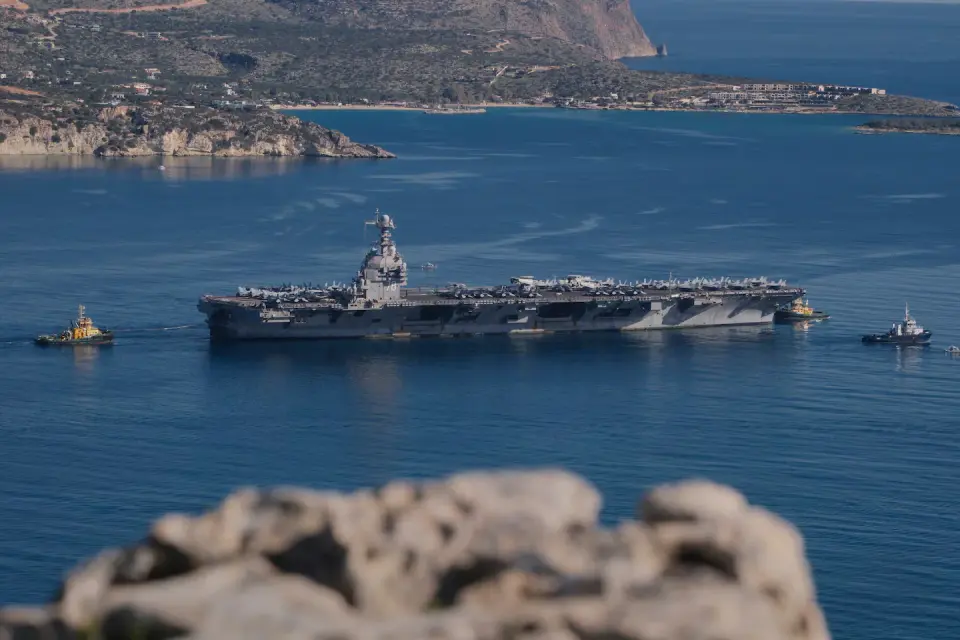
The U.S. Navy is assessing a major redesign of its Ford-class aircraft carriers to align with President Trump’s preferences, potentially costing billions and delaying delivery. The review includes moving the ship’s command tower forward to resemble World War II-era vessels and reverting to steam-powered catapults. These changes risk exacerbating existing shipbuilding delays and readiness issues.
Key points
- The Navy is evaluating moving the 'island' (command center) of new Ford-class carriers forward to match older designs, a change Trump prefers for aesthetic reasons.
- A national security memorandum directs the Navy to revert to steam-powered catapults on the USS Doris Miller, replacing the modern electromagnetic system used on the USS Gerald R. Ford.
- Officials warn that these changes could cost billions of dollars and significantly delay the carrier program, which is already facing chronic construction delays.
- The current Ford-class design places the island at the rear for efficiency and safety, but Trump wants it moved forward to resemble World War II ships.
- The Navy is also grappling with readiness issues, including a fire on the USS Ford and deteriorating conditions on the USS Abraham Lincoln during a 200-day deployment.
Background
This development follows Trump’s earlier push to 'resurrect' the U.S. shipbuilding industry, including controversial plans for a new class of battleships estimated to cost $275 billion over 30 years. The Navy has faced years of delayed maintenance and low readiness rates, exacerbated by recent deployments to the Middle East during the Iran conflict. The Ford-class carriers are intended to replace the older Nimitz class, but these redesigns threaten to further strain the already fragile shipbuilding pipeline.
How outlets are covering it
The Washington Post highlights the Navy’s internal concern that the island relocation would be 'extraordinary' in cost and time, noting that a previous study during Trump’s first term confirmed this. CNN emphasizes the technical absurdity of reverting to steam catapults, with naval experts calling the move 'very outdated' and noting that no U.S. manufacturers currently produce them. The Daily Beast frames the issue as a 'deranged 1940s obsession' that is stalling the rollout of much-needed vessels. While all sources agree on the potential for massive cost overruns and delays, they differ in tone: The Post and CNN focus on the technical and logistical impossibility, while The Daily Beast criticizes the aesthetic motivation behind the changes.
Why it matters
These redesigns could delay the delivery of critical naval assets by years, leaving the U.S. Navy short on carrier capacity in the 2030s. The potential billions in additional costs and the disruption to the shipbuilding industry could further weaken U.S. naval readiness at a time when global tensions, particularly in the Middle East, are high. The controversy also highlights the growing influence of the White House on complex military engineering decisions, raising questions about the balance between political preference and technical feasibility.
What to watch
The Navy must submit a plan within 60 days to address the steam catapult directive for the USS Doris Miller. The service will also need to determine the feasibility and cost of relocating the island on future Ford-class carriers. Congressional hearings may follow as lawmakers, including Sen. Mark Kelly, criticize the directives as technically unsound. The outcome of these evaluations will determine whether the Navy proceeds with the redesigns or pushes back against the White House’s demands.
- Navy weighs major warship redesign to match Trump’s preferences The Washington Post
- Trump to Splurge Billions on Deranged 1940s Obsession The Daily Beast
- Exclusive | Trump Orders Navy to Restore Older Tech on Aircraft Carriers, Costing Billions WSJ
- ‘Very outdated’: Trump’s directive to revert to steam catapults on new aircraft carrier baffles naval experts CNN
- Mark Kelly on aircraft carrier catapult order: ‘Donald Trump knows nothing about this stuff’ The Hill
Want the full story? Read the original reporting
Read on The Washington Post