
Cambridge Sociologist Jason Arday Resigns Amid Plagiarism Inquiry and Public Backlash
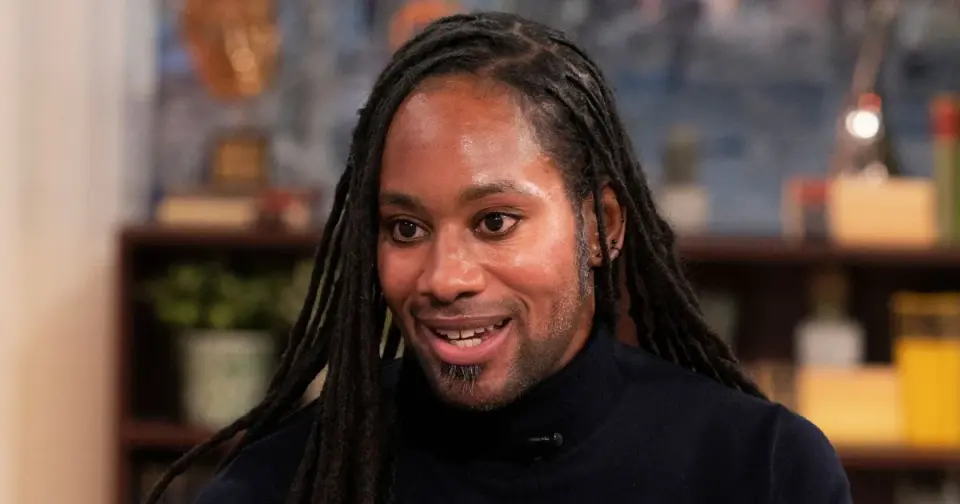
Professor Jason Arday, the youngest Black professor at the University of Cambridge, has resigned with immediate effect following a university investigation into new information regarding his academic qualifications. Arday, who was appointed in 2023 at age 37, cited the personal toll of relentless public scrutiny and allegations of plagiarism in his 2015 PhD thesis. While Cambridge opened an inquiry after receiving new evidence, Arday denied being a liar, attributing some errors to a lack of supervision and his autism. The resignation follows weeks of controversy involving questions about his athletic achievements and fundraising claims, with supporters labeling the scrutiny a smear campaign against Black academics.
Key points
- Jason Arday resigned from his position at the University of Cambridge with immediate effect, stating the public scrutiny had taken a profound toll on his wellbeing.
- The university launched an investigation after receiving 'new information' about Arday's qualifications and honorary appointments, though it declined to comment further until the process concluded.
- Allegations of plagiarism were first raised by Nathan Cofnas, a former Cambridge researcher, who claimed software analysis showed multiple identical passages in Arday's 2015 PhD thesis.
- Arday admitted to some mistakes in his early work, attributing them to a lack of supervision and his autism, but insisted he was not a liar and faced a coordinated campaign.
- Questions also arose regarding Arday's claims of raising 5.5 million pounds for charity through extreme athletic feats, which he clarified were achieved with others over 20 years.
- Jesus College, where Arday was a fellow, announced it would launch its own parallel investigation into the matter.
Background
This development follows earlier reports from August 2026 indicating that Arday had already resigned amid a plagiarism probe. Previous coverage noted that Arday faced allegations of copying over 100 passages and listing honorary positions at Ohio State, Glasgow, and Durham that those institutions denied. A satirical opinion piece in August 2026 had also questioned whether the controversy was part of a broader test of liberal reactions to Black neurodivergent academics. The current resignation confirms the outcome of those earlier inquiries, with Arday stating he needs time to heal before potentially returning to scholarship.
How outlets are covering it
NBC News and BBC report the resignation as a direct result of the university's new investigation and the personal toll on Arday. BBC highlights Arday's claim that the scrutiny was a 'smear campaign' and notes support from his publisher, Simon & Schuster. The Times of London, cited by NBC, emphasizes that new evidence presented to Cambridge suggested some research was 'fabricated' or contained 'impossible' evidence, prompting the inquiry. In contrast, the Good Law Project and Arday's supporters frame the allegations as racially motivated attacks on a Black academic. A Times Higher Education article, though largely obscured by technical errors in the source, suggests broader concerns about academic accountability. The Telegraph source was inaccessible due to a security block, so no perspective could be extracted from it.
Why it matters
The resignation of a prominent figure like Jason Arday highlights the intense scrutiny and polarized reactions surrounding diversity, equity, and inclusion (DEI) initiatives in British academia. The case raises questions about the balance between academic accountability and the protection of minority scholars from perceived harassment. It also underscores the role of social media and public commentary in influencing institutional decisions, as Cambridge only opened its formal investigation after significant public pressure and new evidence emerged. The outcome may influence how universities handle similar allegations involving high-profile academics in the future.
What to watch
The University of Cambridge and Jesus College will continue their respective investigations into Arday's qualifications and misconduct, though they have stated they will not comment further until the processes are concluded. Arday has indicated he needs time to heal and may return to scholarship in the future. The outcome of the investigations could lead to formal findings on academic misconduct, though Arday has already stepped away from his position. The case may also prompt broader discussions within the UK academic community about the handling of plagiarism allegations and the treatment of neurodivergent scholars.
- Youngest Black professor at Cambridge resigns as university investigates allegations of plagiarism NBC News
- Jason Arday: Cambridge professor in plagiarism row quits BBC
- Jason Arday: I am not a liar, says star academic accused of plagiarism The Times
- I was reported to police over Arday case. I was just doing my job Times Higher Education
- Jason Arday is living proof that you reap what you sow The Telegraph
Want the full story? Read the original reporting
Read on NBC News