
Trump Weighs Diesel Export Ban Amid Record Prices, Igniting Industry Backlash
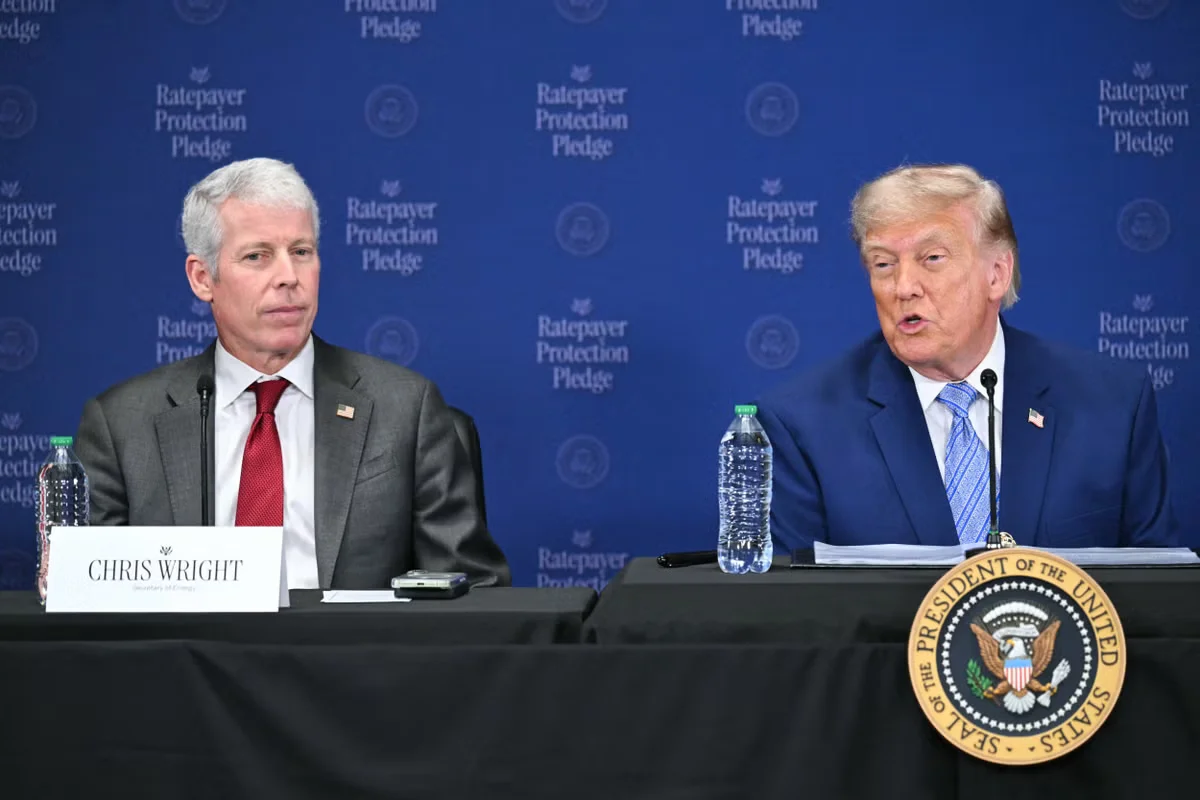
President Trump is considering a ban on U.S. diesel exports to lower record-high domestic prices, but energy experts and industry leaders warn the move could backfire by reducing refining output and raising gasoline costs. While Republican lawmakers in agricultural states push for the ban ahead of midterms, the administration is weighing alternatives to avoid disrupting global supply chains.
Key points
- U.S. diesel prices hit a record $6.53 per gallon, up 77% from a year ago, driven by global supply disruptions from conflicts in Iran and Ukraine.
- President Trump has publicly urged advisers to restrict diesel exports, stating, 'I've called for it within my people,' but no final decision has been made.
- Energy Secretary Chris Wright warned that an export ban could raise gasoline prices by 30 cents per gallon as refiners cut production to fill storage tanks.
- Republican lawmakers, including Sen. Chuck Grassley and Rep. Tim Burchett, are pushing for the ban to protect farmers and small businesses in agricultural states.
- The American Petroleum Institute and analysts like Bob McNally argue that a ban would worsen the global shortage, potentially triggering retaliation from European trade partners.
Background
The debate over diesel exports follows a sharp rise in fuel costs linked to geopolitical tensions. The U.S. typically exports surplus diesel, but global prices have surged due to Russia's export ban and shipping disruptions in the Strait of Hormuz. Previous coverage noted that the administration had reversed its prior stance on exports, now evaluating feasibility amid political pressure from midterms.
How outlets are covering it
The Independent and CBS News highlight the political pressure from Republican lawmakers in agricultural states, such as Iowa, who argue the ban will lower costs for farmers. However, The Washington Post editorial board criticizes the move as a 'midterm gift to Democrats,' warning it could raise prices in import-dependent regions like Maine and Alaska. CNBC and The Independent emphasize warnings from Energy Secretary Chris Wright and industry leaders, who argue that restricting exports would reduce refining output, raise gasoline prices, and invite retaliation from European partners who export gasoline to the U.S. Patrick De Haan of GasBuddy notes that while a ban might briefly lower prices in the Gulf Coast, it would likely cause global prices to soar, ultimately hurting U.S. consumers.
Why it matters
The potential diesel export ban could significantly impact U.S. fuel prices, agricultural costs, and global energy markets. If implemented, it may exacerbate the current supply crunch, leading to higher gasoline prices and economic strain for small businesses and farmers. The decision also reflects the administration's balancing act between political pressures and economic realities ahead of the 2026 midterms.
What to watch
The White House is expected to announce a decision on diesel export restrictions in the coming weeks, potentially opting for partial bans or alternative measures like extending the Jones Act waiver or waiving renewable fuel mandates. Markets will monitor for signs of retaliation from European trade partners and shifts in U.S. refining output.
- Trump ready to ban diesel gas exports to lower costs – despite internal pushback The Independent
- Diesel prices just hit a new record. Would a U.S. export ban bring relief? CBS News
- Opinion | Limiting diesel exports would be a Trump midterm gift to Democrats The Washington Post
- Oil industry warns a diesel export ban will raise fuel prices as Trump weighs restrictions CNBC
- Rep. Tim Burchett Drops Two Bills to Address Affordability House.gov
Want the full story? Read the original reporting
Read on The Independent