
Holmes Weeps in Fielder’s New Doc as Critics Debate the Ethics of Radical Transparency
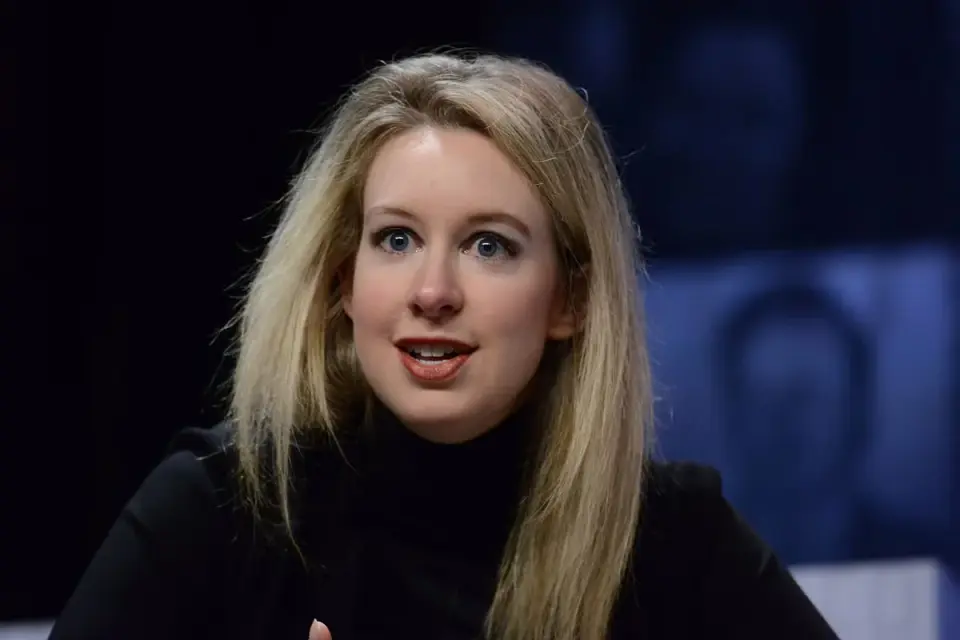
Nathan Fielder’s new documentary, 'You Can See Everything,' captures Elizabeth Holmes breaking down in tears while watching the 2022 Hulu series 'The Dropout.' The film, which documents the 34 days before her 2023 prison sentence, has received critical acclaim but sparked debate over whether extreme intimacy reveals truth or merely obscures it.
Key points
- The documentary 'You Can See Everything,' co-directed by Nathan Fielder and Lance Oppenheim, premiered in US theaters on October 16, 2026.
- The film documents the final 34 days before Elizabeth Holmes began serving her 11-year federal prison sentence for fraud.
- Holmes is shown crying while watching 'The Dropout,' a 2022 Hulu miniseries in which Amanda Seyfried portrayed her.
- Critics praise the 174-minute film as a psychological masterpiece, with a 100% score on Rotten Tomatoes.
- The film has intensified public distrust of Holmes, with her partner Billy Evans defending the release as a tool for independent public judgment.
Background
Elizabeth Holmes was convicted in 2022 of four counts of fraud related to the blood-testing device of her company, Theranos. She was sentenced to 11 years in federal prison. The 2022 Hulu series 'The Dropout' dramatized her rise and fall, starring Amanda Seyfried. The new documentary, 'You Can See Everything,' was released by A24 in October 2026, capturing the period just before Holmes began her sentence.
How outlets are covering it
The Independent highlights the emotional moment of Holmes watching 'The Dropout,' emphasizing her visible distress. The New Yorker’s Naomi Fry offers a more analytical view, arguing that Fielder’s invasive filming style, while intense, ultimately fails to reveal Holmes’s true nature, suggesting that 'the more access Holmes allows, the less Fielder is, seemingly, able to know her.' ELLE focuses on the role of Holmes’s partner, Billy Evans, who is featured prominently in the film and has defended the documentary’s release. While The Independent and ELLE present the event as a notable cultural moment, The New Yorker questions the efficacy of Fielder’s method, noting that the film is 'not very funny' and instead serves as a 'haunting exploration of the limits of other people’s knowability.'
Why it matters
The release of 'You Can See Everything' has reignited public debate about the nature of truth, deception, and the ethics of documentary filmmaking. It also highlights the ongoing cultural fascination with Elizabeth Holmes and the Theranos scandal, nearly four years after her conviction. The film’s critical success and public controversy underscore the complex relationship between media, memory, and accountability in the age of digital storytelling.
What to watch
The documentary is expected to continue generating discussion as it runs in theaters, with some critics speculating it could become the first documentary to receive a Best Picture Oscar nomination. Public and legal reactions, including potential threats from figures like Melania Trump, may also shape the film’s reception. Billy Evans and Holmes may continue to engage with the public through media appearances or legal challenges to her conviction.
- ‘You Can See Everything’: Elizabeth Holmes in tears while watching Hulu series based on her life The Independent
- The Elizabeth Holmes Documentary, Through the Eyes of the Reporter Who Exposed Her The New York Times
- How to Watch ‘The Dropout’ TV Show for Free on Streaming: See Elizabeth Holmes Series Before the Documentary Yahoo
- Elizabeth Holmes’s Partner Billy Evans Says She ‘Looks Insane’ in ‘You Can See Everything’ ELLE
- We Can Never Understand Elizabeth Holmes, or Nathan Fielder The New Yorker
Want the full story? Read the original reporting
Read on The Independent