
Grammer Calls Hollywood's Historical Reimaginings 'Exhausting' Amid Box Office Flops
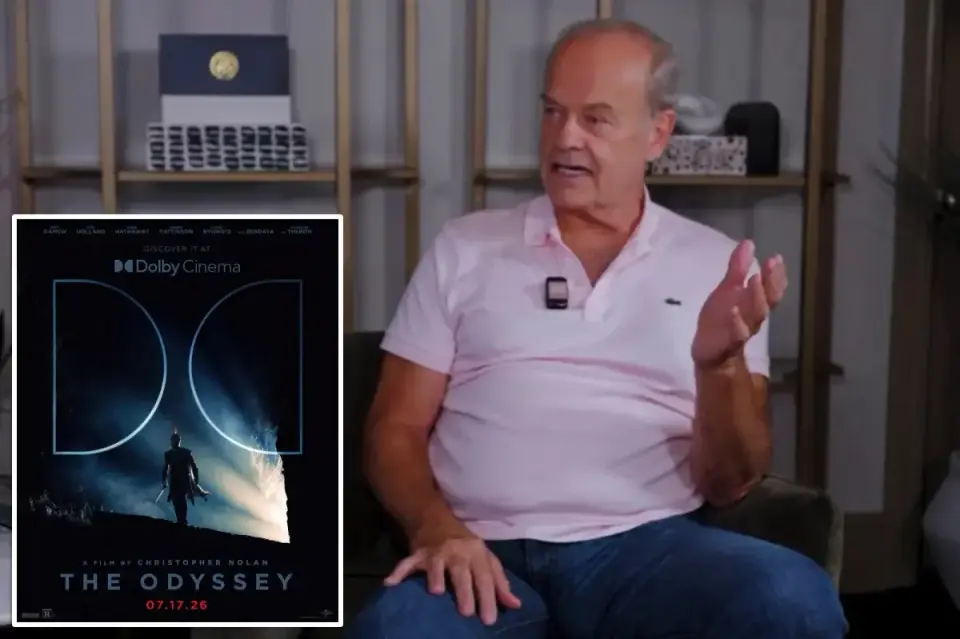
Kelsey Grammer criticized modern Hollywood for altering historical narratives to fit contemporary sensibilities, calling the practice 'exhausting.' He argued that cultural accuracy should be respected, noting that recent attempts to modernize classics have led to significant financial losses for studios.
Key points
- Grammer stated on 'The Katie Miller Podcast' that modern adaptations often distort history to align with current views, a process he finds tiring.
- He emphasized that historical periods, such as old England, were less multicultural than modern portrayals suggest, and cultural significance should be preserved.
- The discussion highlighted recent box office failures, including Disney's 'Snow White,' which reportedly lost approximately $170 million, as evidence that audiences may reject overly modernized classics.
- Pixar has reportedly pivoted away from certain themes after a series of flops, with Chief Creative Officer Pete Docter stating the goal is to make movies, not 'hundreds of millions of dollars of therapy.'
- Grammer acknowledged Christopher Nolan's 'The Odyssey' as a box office hit but questioned whether its modernized dialogue and character changes respected the original heroic spirit.
Background
This critique follows Grammer's earlier advocacy for a U.S. education overhaul focused on founding history. It also aligns with broader industry shifts, such as the recent modernization of 'Resident Evil,' which moved away from strict source material adaptation to contemporary settings.
Why it matters
The debate over historical accuracy in entertainment reflects a larger cultural tension between preserving traditional narratives and adapting them for modern audiences, with financial outcomes increasingly influencing studio decisions.
What to watch
The full interview with Grammer is scheduled to be released on the podcast's YouTube channel, potentially offering further insights into his views on Hollywood's evolving approach to classic stories.
Want the full story? Read the original reporting
Read on Page Six