
Army sets Wednesday for Iowa lead azide blast as court fight continues
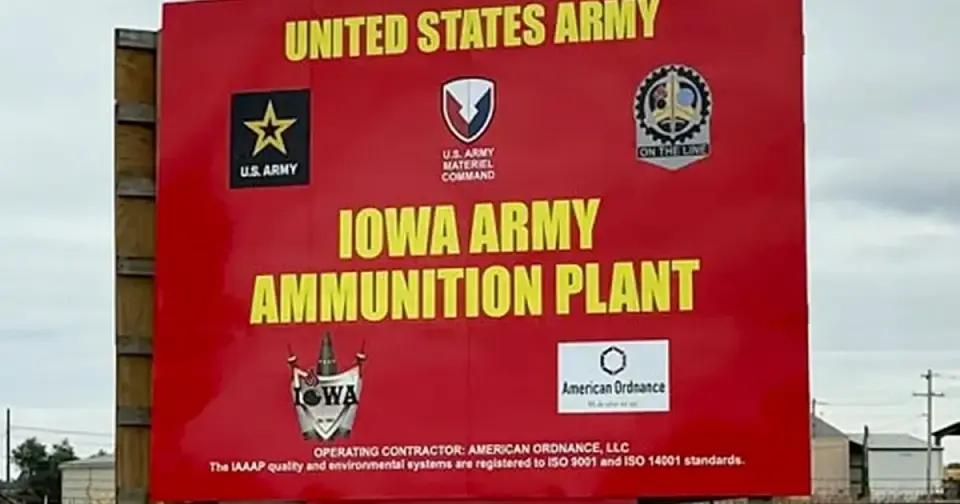
The U.S. Army has rescheduled the controlled detonation of nearly five tons of deteriorating lead azide at the Iowa Army Ammunition Plant in Middletown to Wednesday, November 25. The move follows a federal appeals court order suspending an EPA emergency permit and a weekend legal dispute over whether the Army can proceed under a separate emergency exemption. While the Army cites freezing temperatures as an imminent risk of uncontrolled explosion, environmental groups argue the danger is overstated and that safer alternatives were ignored. Governor Kim Reynolds has activated the State Emergency Operations Center to coordinate response efforts, though the Army has not yet released specific timing, evacuation plans, or fallout maps for the blast.
Key points
- The Army rescheduled the detonation from Monday to Wednesday, November 25, to allow for optimal weather conditions and the implementation of all safety mitigation measures.
- A federal appeals court issued a temporary pause on the EPA’s environmental permit, but the Justice Department argued the Army can proceed under a separate emergency exemption for explosives if there is an immediate threat to public safety.
- Environmental groups, including the Iowa Environmental Council and Sierra Club, filed affidavits from scientific experts challenging the Army’s claim that freezing temperatures pose an imminent risk of uncontrolled explosion.
- The Army has not provided a specific start time, evacuation plans, or detailed maps of the expected lead dust plume, which is expected to drift across parts of Iowa and Illinois.
- Governor Kim Reynolds activated the State Emergency Operations Center on Friday to coordinate state agency responses and launched a resource page for residents regarding health guidance and livestock protection.
Background
The lead azide stockpile, approximately 4.4 to 5 tons, has been stored in earthen bunkers at the Iowa Army Ammunition Plant for years. The material has deteriorated and crystallized, which the Army claims makes it prone to spontaneous explosion, particularly in cold weather. The Army began planning the detonation in March 2026 and sought a contract for neutralization in September 2025. Initial plans for a Friday, November 20, blast were delayed to Monday after public outcry and requests from Governor Kim Reynolds and lawmakers for more time. A federal appeals court then issued a temporary stay on the EPA permit on Thursday, leading to the current rescheduling.
How outlets are covering it
The U.S. Army and EPA maintain that the detonation is an emergency necessity due to the risk of uncontrolled explosions from freezing temperatures, asserting that the court’s stay only suspends the permit and not the Army’s ability to act under an emergency exemption. Conversely, the Iowa Environmental Council and Sierra Club argue that the Army is overstating the danger and failing to consider safer alternatives, such as chemical neutralization. Scientific experts Dr. Mark Thomas and Dr. Ranajit Sahu, cited by the environmental groups, contend that the soil insulation in the bunkers protects the material from cold weather and that the long planning period undermines the claim of an impending emergency. The Justice Department has asked the court to reject these expert declarations, arguing that allowing outside experts to second-guess agency science violates administrative procedure principles.
Why it matters
The detonation is expected to release a plume of toxic lead particles that could drift for miles, affecting communities in southeast Iowa and Illinois. Residents are advised to stay indoors and seal their homes to mitigate health risks, particularly for vulnerable groups like children and pregnant women. The outcome of this legal and logistical dispute will determine the extent of public exposure to lead contamination and set a precedent for how the government handles emergency environmental actions versus judicial oversight.
What to watch
The Army is scheduled to conduct the controlled detonation on Wednesday, November 25, though no specific time has been announced. The federal appeals court is expected to consider the environmental groups’ request to block the blasts, but it is unclear if a judge will issue an order before the operation takes place. The Army has promised additional details on the situation will be forthcoming, including potential fallout maps and health guidance for affected communities.
- Army reschedules southeast Iowa lead azide blasts for Wednesday Iowa Public Radio
- Noon Sunday deadline set in Iowa Army blast challenge; Fort Madison says detonation could come Monday or Tuesday WQAD
- UPDATE: Army says lead azide detonation will take place Wednesday KCRG
- Army update on Iowa Army Ammunition Plant Army.mil
- Army plans to detonate toxic explosives in Iowa by Tuesday without EPA permit Iowa Public Radio
Want the full story? Read the original reporting
Read on Iowa Public Radio