
EPA Reports No Elevated Lead in Water After Iowa Detonation
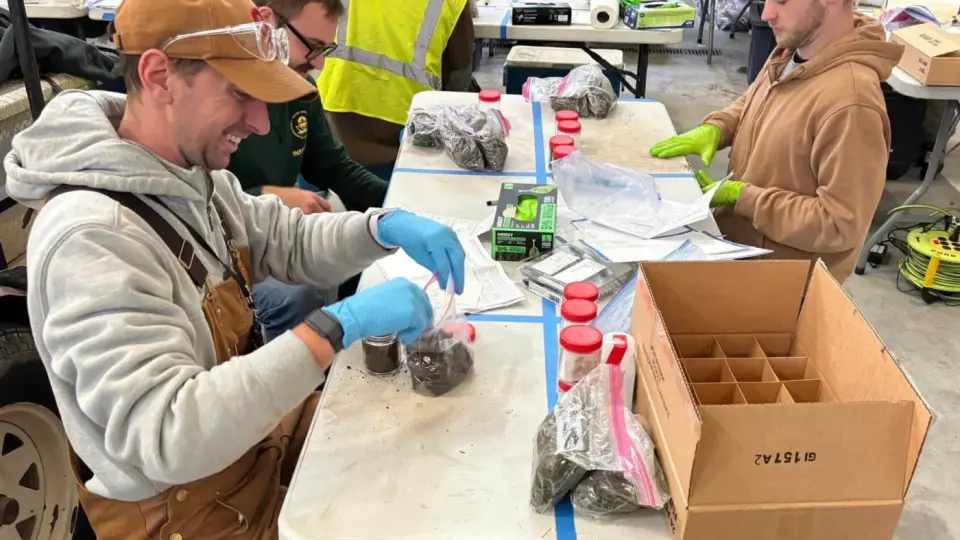
The U.S. Environmental Protection Agency (EPA) reported on Saturday that initial laboratory tests found no elevated levels of lead in drinking water sources following the November 25 controlled detonation of unstable lead azide at the Iowa Army Ammunition Plant. While the agency confirmed that 38 water samples showed no detection of lead, it noted that over 3,200 additional air, soil, and dust samples are still being validated. The announcement follows a controversial operation that prompted evacuations and criticism over transparency, with local residents and officials demanding independent verification of the safety data.
Key points
- The EPA released initial results on Nov. 28, 2026, stating that 38 drinking water samples taken after the blast showed no elevation of lead.
- The agency collected over 3,200 samples, including 1,632 pre-detonation and 1,607 post-detonation, from homes, parks, schools, and farms across the Mississippi watershed.
- Airborne monitors operated for 30 consecutive hours after the blast and found no discernible lead levels, according to the EPA.
- The detonation involved 68 drums of lead azide at the Iowa Army Ammunition Plant in Middletown, Iowa, on Nov. 25, 2026.
- Residents within five miles were ordered to evacuate, while others were advised to shelter in place due to fears of a toxic plume.
Background
The lead azide, discovered in March 2026, had been stored since 2009 and degraded to a point where it was too sensitive to transport. The Army initially planned the detonation for Nov. 20 but delayed it due to weather and legal challenges. A 20-year environmental cleanup at the plant had recently concluded in June 2026. Critics argue the Army canceled a chemical neutralization contract in May, potentially foreclosing safer alternatives.
How outlets are covering it
The EPA and U.S. Army officials emphasized the success of the mitigation measures, noting that the blast was directed inward and initial water tests were clear. Conversely, Iowa Gov.-elect Rob Sand and local residents, including farmer Sue Dyer, criticized the lack of transparency and timely communication. Sand called for an investigation into why the material reached such a precarious state, while Dyer expressed uncertainty, stating she is waiting for independent sampling results to verify the safety of her farmland.
Why it matters
Lead is a toxic heavy metal with no safe level of exposure, posing severe risks to children and pregnant people. The outcome of the remaining 3,200+ samples will determine if long-term contamination occurred, impacting public health, agricultural safety, and trust in federal environmental oversight.
What to watch
The EPA will continue to release updates as the remaining air, soil, and dust samples are validated. Residents are expected to conduct independent testing, and political scrutiny may intensify if later results show contamination. The agency aims to complete post-detonation sampling on the remaining 12% of homes not yet accessed.
- EPA says initial tests show no toxic lead contamination in Iowa following detonation NPR
- EPA says no rise in contamination after Army detonates lead azide stockpile in Iowa AP News
- No elevated lead levels found yet in water after Iowa blast, EPA says USA Today
- Vance blames Obama for toxic lead threat in Iowa The Hill
- Army deems lead azide detonation a success but criticism lingers over notification PBS
Want the full story? Read the original reporting
Read on NPR