
Federal judge halts Army's plan to detonate 5 tons of lead azide in Iowa amid public outcry
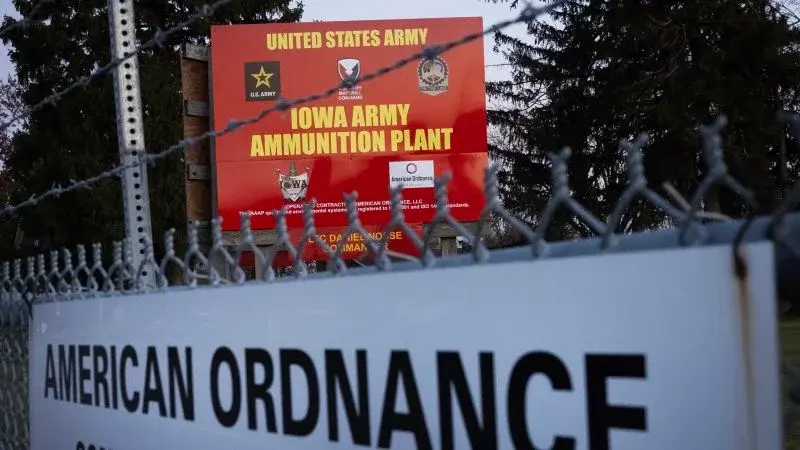
A federal judge has temporarily halted the U.S. Army's plan to detonate five tons of degraded lead azide at the Iowa Army Ammunition Plant in Middletown. The operation, originally scheduled for November 20 but postponed to November 23, was blocked after environmental groups sued the EPA over its emergency permit. Residents and officials expressed deep concern over inadequate public notice, potential lead contamination of soil and crops, and the lack of transparent risk assessments. The Army argues the material is too unstable to transport, while critics demand more time for independent monitoring and community input.
Key points
- A federal judge issued an administrative stay on the EPA's emergency permit, indefinitely delaying the detonation of 68 drums of lead azide.
- The Army postponed the blast from November 20 to November 23 following public outcry and pressure from state officials, including Governor Kim Reynolds.
- Environmental groups, including Earthjustice and the Iowa Environmental Council, sued the EPA, arguing the permit lacked sufficient protections for human health and the environment.
- The Army claims the lead azide is too unstable to transport or chemically neutralize, making detonation the only safe option to prevent accidental explosions.
- Residents worry about lead dust settling on crops, livestock, and homes, with experts noting that lead is a neurotoxin with no safe exposure level.
- The Army provided only a five-day public notice, with detailed plume maps released just days before the scheduled blast, prompting accusations of poor communication.
Background
The Iowa Army Ammunition Plant discovered the degraded lead azide in March 2026 after the material crystallized due to water evaporation, making it highly volatile. Previous coverage indicated the Army planned to detonate the material on November 20, with evacuations ordered for nearby residents. The material had been stored for over 20 years and was deemed too risky to transport or chemically treat. The current legal halt follows months of planning and a series of public warnings about potential lead exposure.
How outlets are covering it
The U.S. Army and EPA maintain that the controlled detonation is the safest option, citing the extreme instability of the lead azide and the risks of accidental detonation during transport. They assert that mitigation measures, such as blast barriers and water misters, will minimize public risk. Conversely, environmental advocates and local residents argue that the Army failed to provide adequate notice and transparency, with some stating they only learned of the plume risks days before the blast. Senator-elect Josh Turek and Governor Kim Reynolds called for a delay to allow for better public communication. University of Iowa experts, including Patrick O'Shaughnessy, warn that lead is a neurotoxin and that the long-term impact on soil and crops is unknown, while the Army claims the blast will incinerate the lead. The Washington Post notes that the Army only notified the public about the plume's potential 100-mile reach on Sunday, just days before the original Friday schedule.
Why it matters
The case highlights tensions between federal military operations and local public health concerns, particularly regarding the disposal of hazardous materials. It raises questions about the adequacy of emergency permits and the transparency of government decision-making in environmental risks. The potential for lead contamination in a heavily agricultural state could have long-term impacts on food safety and public health, especially for children and pregnant women. The legal halt may set a precedent for how communities can challenge federal actions that pose environmental risks.
What to watch
The EPA plans to file a response to the court's stay by November 22. The Army and EPA will continue to coordinate with local officials and the public, though the timeline for the detonation remains uncertain. Independent researchers at the University of Iowa are preparing to monitor air and soil for lead fallout. The court could rule on the emergency motion at any point in the coming days, potentially leading to a permanent halt or a revised schedule for the detonation.
- Judge halts Army’s plan to detonate 5 tons of bomb-making material as Iowa residents worry about lead exposure CNN
- Lawsuit petitioners to hold press conference on lead azide detonation delay KWQC
- Iowans say warning Army is going to blow up degraded lead came too late The Washington Post
- Court Delays Plan to Detonate Toxic Explosives in Iowa Inside Climate News
- Friday’s lead azide detonation delayed to Monday KCRG
Want the full story? Read the original reporting
Read on CNN