
Grand Canyon’s Historic Lodges Face Back-to-Back Climate Disasters
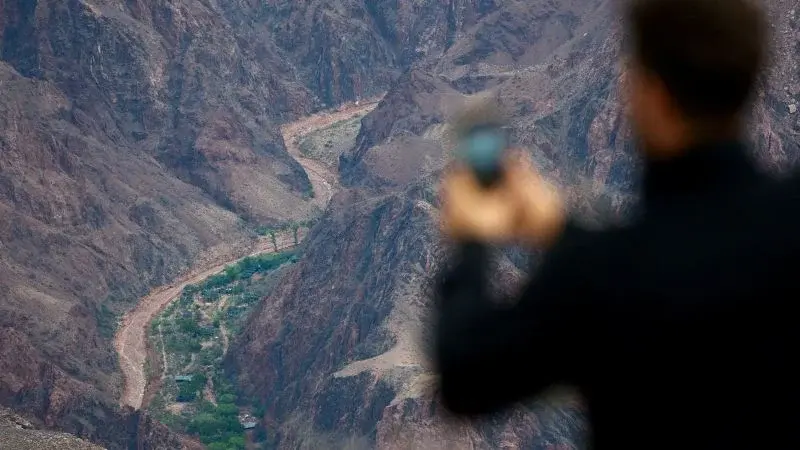
The Grand Canyon has suffered two major natural disasters in over a year, with a July 2025 wildfire destroying the North Rim lodge and an August 2026 flash flood devastating Phantom Ranch. The flood killed two people, left one missing, and damaged infrastructure, while the fire destroyed 85% of the historic Grand Canyon Lodge. Both events highlight how climate change is intensifying extreme weather, with the fire scar increasing flood susceptibility. Recovery efforts are ongoing, with no reopening dates announced for either site.
Key points
- On August 29, 2026, flash floods from Bright Angel Creek devastated Phantom Ranch, a 1922 lodge at the bottom of the Grand Canyon, killing two people and leaving one missing.
- The flood followed a July 2025 wildfire that destroyed the historic Grand Canyon Lodge on the North Rim, marking the park’s second major disaster in over a year.
- The National Weather Service noted that the flood occurred below the burn scar from the wildfire, which increased flood susceptibility due to sparse vegetation and altered soil.
- Phantom Ranch, accessible only by hike, mule ride, or raft, remains closed indefinitely, with footbridges, trails, and utilities significantly damaged.
- The Grand Canyon Lodge, destroyed by the Dragon Bravo Fire in July 2025, had 85% of its structure destroyed, and no reopening date has been announced.
- The climate crisis is making extreme weather more frequent and severe, with warmer atmospheres holding more water and increasing wildfire intensity.
Background
In late August 2026, flash floods struck Phantom Ranch, a historic 1922 lodge at the bottom of the Grand Canyon, killing two people and leaving one missing. This disaster followed a July 2025 wildfire that destroyed the Grand Canyon Lodge on the North Rim. Both events highlight the impact of climate change on extreme weather, with the fire scar increasing flood susceptibility. Recovery efforts are ongoing, with no reopening dates announced for either site.
How outlets are covering it
CNN emphasizes the climate crisis as a driver of both disasters, noting how the fire scar increased flood susceptibility. The Washington Post focuses on the human impact, describing hikers trapped in the deepest part of the canyon during the flood. ABC15 Arizona highlights the ongoing search for missing hiker Timothy Allen Smith and the damage to water gauges, which went offline during the flood. All sources agree on the severity of the disasters and the need for recovery, but differ in emphasis: CNN on climate, The Washington Post on human experience, and ABC15 on infrastructure and search efforts.
Why it matters
The back-to-back disasters at the Grand Canyon illustrate how climate change is intensifying extreme weather, making historic sites more vulnerable. The loss of two major lodges impacts tourism and access to the park, while the damage to infrastructure and trails affects recovery efforts. The events also highlight the need for better disaster preparedness and climate adaptation strategies in national parks.
What to watch
Recovery efforts are ongoing, with no reopening dates announced for Phantom Ranch or the Grand Canyon Lodge. Search crews continue looking for missing hiker Timothy Allen Smith, and officials are assessing damage to infrastructure and water systems. The National Park Service is working to restore facilities and trails, but the extent of the damage and timeline for recovery remain uncertain.
- Floods hit a historic Grand Canyon lodge. It’s the second park landmark affected by a natural disaster in the past year CNN
- Deep in the Grand Canyon, the rain left them nowhere to go The Washington Post
- Grand Canyon flash flood leaves 2 dead, others missing PBS
- Texas chiropractor, martial artist killed in Grand Canyon flood, third hiker still missing The Weather Channel
- Search continues for missing hiker at the Grand Canyon ABC15 Arizona
Want the full story? Read the original reporting
Read on CNN