
European aviation faces sustained disruption as coordinated hoax threats escalate
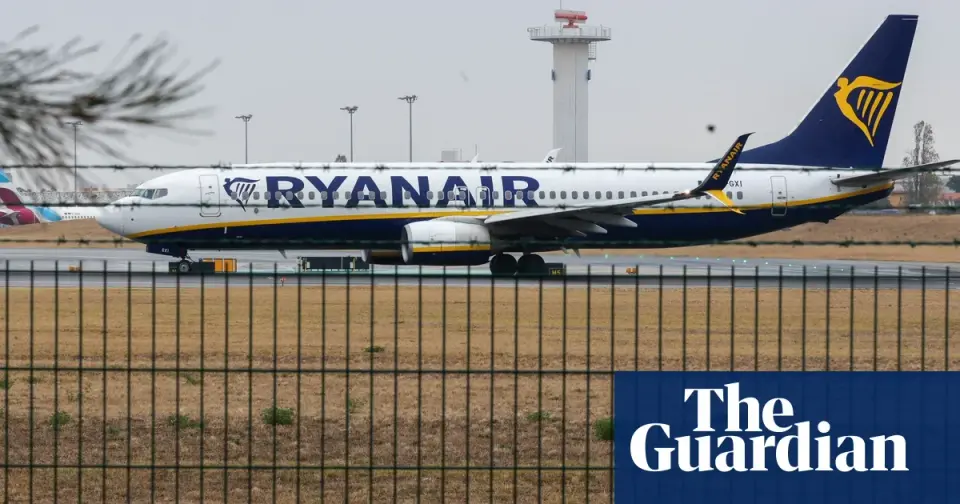
A new wave of hoax bomb threats disrupted at least 18 flights across Europe on Friday, following similar incidents earlier in the week. While no explosives were found, the alerts forced diversions, fighter jet escorts, and security searches. Authorities are investigating the coordinated nature of the attacks, which some officials link to hybrid warfare tactics, though no state actor has been confirmed as responsible.
Key points
- Friday’s threats affected flights to or from Bulgaria, Cyprus, Czechia, France, Hungary, Italy, Portugal, Romania, and the UK, with at least nine flights impacted in Prague alone.
- Hungary scrambled fighter jets three times to escort civilian aircraft, while an Aer Lingus flight landed at a military base 1,000 kilometers from its destination due to fuel concerns.
- The incidents follow a series of threats on Tuesday and Thursday that disrupted 35 flights, raising concerns about a coordinated campaign to cause chaos.
- Separate threats against media organizations in Ireland and the UK, including RTÉ and Sky, disrupted broadcasts and prompted police searches, though no link has been established between the aviation and media incidents.
- Investigations have not identified a hostile state actor like Russia or Iran, but officials suspect the actions may be linked to European support for Ukraine or constitute a form of psychological warfare.
Background
This latest wave follows a pattern of disruptions beginning on November 3, when seven flights were grounded, and continuing on November 5, when 18 flights were affected. Earlier incidents involved airlines such as Ryanair, LOT, SAS, and Wizz Air, with diversions to airports in Warsaw, Spain, and Bulgaria. All previous alerts were confirmed as false alarms, but the frequency and coordination have raised alarms about potential hybrid warfare tactics.
How outlets are covering it
The Guardian emphasizes the scale of the disruption and the potential for a coordinated effort, noting that a group claiming responsibility warned of further attacks. The BBC highlights the operational challenges for airlines, noting that while the number of diverted flights is small compared to daily technical diversions, the uncertainty and lack of intelligence on the perpetrators pose a significant security challenge. Both outlets note that while some threats were signed by a Russian far-right group, its founder has denied involvement, and authorities remain cautious about attributing blame without evidence.
Why it matters
The sustained nature of these threats underscores the vulnerability of civilian infrastructure to low-cost, high-impact disruptions. As officials warn, such actions can undermine public confidence and normal societal operations, potentially setting a precedent for future hybrid warfare campaigns that blend cyber attacks with physical disruptions.
What to watch
European security agencies are continuing to investigate the source of the threats, with officials expecting to identify those responsible. Airlines are maintaining strict security protocols, including mid-air inspections and ground searches, while authorities warn that individuals who attempt to replicate such threats face severe legal consequences, including life imprisonment under the Aviation Security Act 1982.
- Further bomb threats disrupt at least another 18 flights across Europe The Guardian
- Bomb Threats in Europe Probably a Coordinated Campaign, Ireland Says The New York Times
- European flights, broadcasters targeted with another wave of bomb threats WKRN News 2
- Newsroom bomb threats follow escalating European flight hoaxes Reuters
- Spate of bomb threats poses serious challenge to airline industry BBC
Want the full story? Read the original reporting
Read on The Guardian