
Italy and Spain Escalate Border Dispute as Ceuta Crisis Deepens
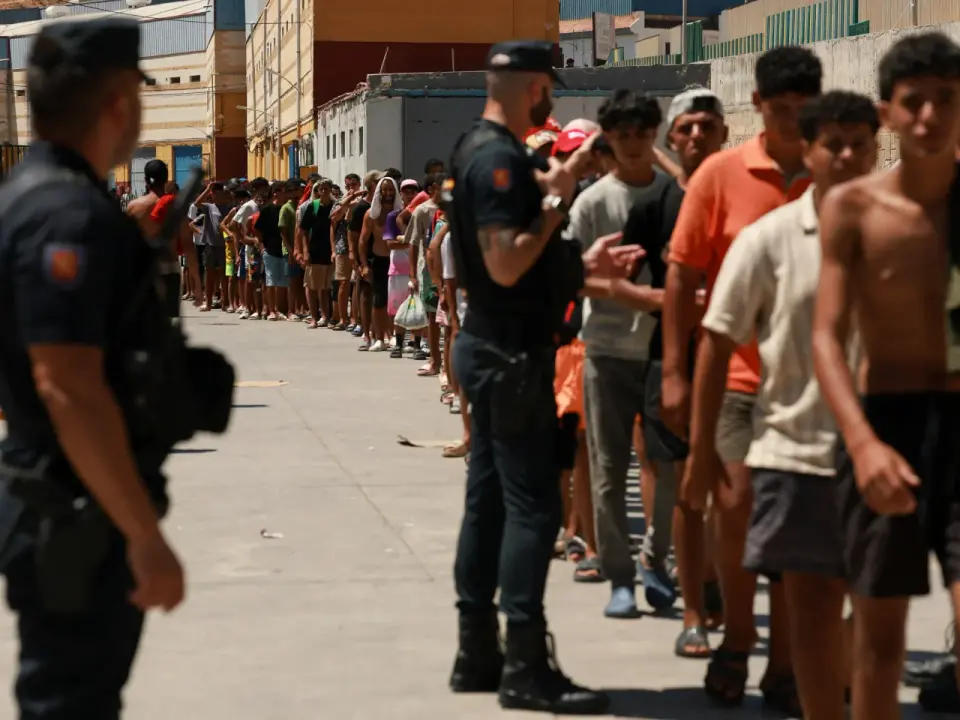
Italy and Spain are locked in a diplomatic standoff over border controls following a massive migrant surge into the Spanish enclave of Ceuta. Rome refuses to lift checks, while Madrid threatens reciprocal measures. Meanwhile, authorities monitor social media for a potential second wave of crossings, and humanitarian concerns persist for thousands of stranded minors.
Key points
- Italy vowed to maintain temporary border controls with Spain until at least August 15, rejecting Madrid's ultimatum to lift them by August 9.
- Spain announced it would impose reciprocal border checks on travelers from Italy starting August 8, citing 'persistent irregular migratory pressure.'
- Approximately 72,000 people crossed into Ceuta from Morocco on July 30, with at least 100 deaths reported and 70,000 subsequently returned to Morocco.
- Spanish authorities are monitoring social media groups for signs of a coordinated second mass crossing attempt scheduled for August 15.
- At least 1,342 unaccompanied minors remain in Ceuta, facing a severe shortage of housing and care facilities.
Background
This dispute follows Italy's reinstatement of internal border checks with Spain in early August, a move described by analysts as 'political theatre' given the lack of a shared land border. The crisis stems from a July 30 surge of migrants into Ceuta, which many attribute to misinformation campaigns and a July 8 Spanish Supreme Court ruling that complicated the immediate return of migrants who swam to the enclave. Earlier tensions included Italy calling for a suspension of the Schengen Agreement, which Madrid rejected as discriminatory.
How outlets are covering it
Al Jazeera and CNN report on the immediate diplomatic tit-for-tat, highlighting Italy's refusal to bow to 'ultimatums' and Spain's decision to impose reciprocal checks on flights and ships. CBS News focuses on the operational threat of a second wave, detailing how Spanish police are monitoring Facebook and WhatsApp groups for coordinated crossing attempts on August 15. First Things offers a critical analysis, arguing that the crisis exposes the 'abdication of responsibility' by European elites, who maintain generous asylum laws that incentivize migration while failing to enforce border controls. While Al Jazeera notes experts doubt the practical impact of Italy's checks, First Things contends that the legal framework itself creates the vulnerability exploited by smugglers.
Why it matters
The escalating dispute between two major EU nations threatens to fracture the Schengen Area's principle of free movement. The potential for a second mass crossing, fueled by social media misinformation, poses a significant security and humanitarian risk. Furthermore, the crisis highlights the inadequacy of current EU migration policies, as seen in the severe shortage of resources for unaccompanied minors in Ceuta and the political polarization over aid funding in Spain.
What to watch
Spain's reciprocal border checks are set to begin on August 8, while Italy's checks are scheduled to continue until at least August 15. Authorities will closely monitor the border on August 15 for any signs of a second mass crossing. The Spanish government is expected to evaluate the transfer of unaccompanied minors to the mainland in the coming weeks, though capacity remains critically low.
- Italy vows to maintain border checks despite Spain’s countermeasures threat Al Jazeera
- Spain announces immediate border controls with Italy in migration spat cnn.com
- Spain to establish border controls on travellers from Italy amid migration dispute Reuters
- Spanish authorities monitor social media chatter about another Ceuta mass migrant crossing ahead CBS News
- Ceuta’s Camp of the Saints Moment First Things
Want the full story? Read the original reporting
Read on Al Jazeera