
Zelda: Ocarina of Time Remake Launches on Switch 2 with Full Voice Cast and Orchestral Score
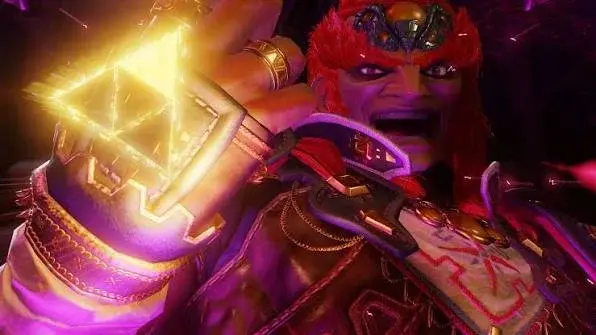
The Legend of Zelda: Ocarina of Time remake launched on November 5, 2026, for the Nintendo Switch 2. The update features a full English voice cast, including Matt Mercer as Ganondorf and Erica Mendez as Zelda/Sheik, alongside a symphonic orchestral score. While the core gameplay structure remains unchanged, the remake introduces modernized controls, a new art style, and a microphone feature that allows players to hum ocarina tunes. Critics praise the enhanced visuals and emotional depth but note that the game remains a safe, nostalgic bet that does not innovate beyond its 1998 origins.
Key points
- The remake launched on November 5, 2026, for the Nintendo Switch 2, priced at £59.99.
- The English voice cast includes Matt Mercer as Ganondorf, Erica Mendez as Zelda/Sheik, and Lisa Reimold as Navi.
- New features include a symphonic orchestral score, a microphone-based ocarina system, and a 'Threads of Time' quest log.
- The game retains the original 1998 structure but adds jump and sprint buttons, improved camera controls, and fully voiced cutscenes.
- Developers Eiji Aonuma and Hidemaro Fujibayashi emphasized preserving the original's pacing and discovery mechanics while modernizing presentation.
Background
This release follows earlier reports that Nintendo is using the remake to counter a 34.4% year-over-year decline in Switch 2 hardware sales and to compete with Grand Theft Auto VI. Previous coverage highlighted the art team's decision to hand-weave Link’s tunic to honor Kokiri lore, addressing fan debates about the game’s visual style. The remake also includes strict purchase limits for 40th-anniversary hardware bundles.
How outlets are covering it
The Guardian praised the remake as a 'dream come true,' highlighting how fully voiced cutscenes and a new art style enhance the emotional impact of the story, particularly the scene where Link pulls the Master Sword. However, it noted that the warrior Sheik lost some androgyny in the redesign. NPR described the game as 'superb, streamlined and safe,' acknowledging its high production values but criticizing it for being a 'safe bet' that does not innovate beyond the original. NPR also pointed out that some character redesigns, such as Nabooru’s appearance, may fall into the uncanny valley. Nintendo’s developers, Eiji Aonuma and Hidemaro Fujibayashi, emphasized that the remake was designed to help younger team members understand the original game’s significance and to preserve its core gameplay mechanics, such as the lack of warp points, which they initially considered adding but later removed to maintain the original's sense of discovery.
Why it matters
The release of the Ocarina of Time remake is significant for Nintendo as it aims to boost Switch 2 sales during a period of declining hardware performance. The game’s success could influence future remakes, such as Majora’s Mask, and reinforce Nintendo’s strategy of leveraging iconic titles to maintain market share against competitors like Grand Theft Auto VI. Additionally, the remake’s approach to balancing nostalgia with modernization sets a precedent for how classic games are adapted for contemporary audiences.
What to watch
Nintendo is expected to continue leveraging its classic titles for future remakes, potentially including Majora’s Mask. The success of the Ocarina of Time remake may also influence the development of upcoming Zelda titles, as developers aim to carry forward insights gained from rebuilding the original game. Additionally, the release of a Zelda movie is anticipated next year, which may further capitalize on the franchise's renewed popularity.
- Zelda: Ocarina of Time English voice cast revealed GoNintendo
- The Legend of Zelda: Ocarina of Time review – a dream come true The Guardian
- Review: The Legend of Zelda: Ocarina of Time remake is superb, streamlined and safe NPR
- Ask the Developer Vol. 24, The Legend of Zelda: Ocarina of Time – Chapter 1 Nintendo
- ‘The Legend Of Zelda: Ocarina Of Time’ Remake Metacritic Review Score Is Historic Forbes
Want the full story? Read the original reporting
Read on GoNintendo