
Zelda: Ocarina of Time Remake Launches with Full Voice Cast and Orchestral Score
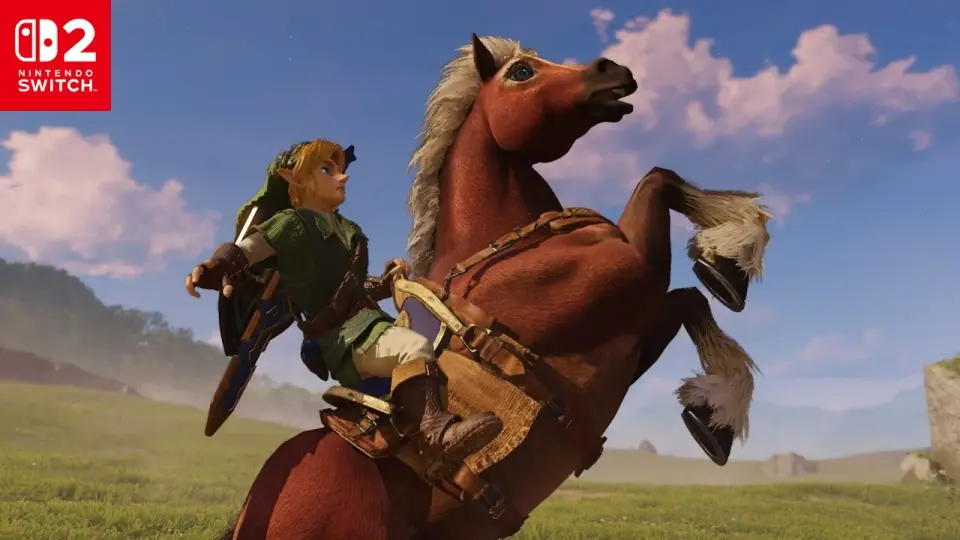
The Legend of Zelda: Ocarina of Time remake launches on November 5, 2026, for the Nintendo Switch 2. The update introduces full voice acting, a new orchestral score, and modernized controls. Nintendo is using the release to counter declining Switch 2 hardware sales and compete with Grand Theft Auto VI. The game features a new art style and a microphone-based ocarina feature, while preserving the original gameplay structure.
Key points
- The remake launches on November 5, 2026, for the Nintendo Switch 2, priced at $60 digital and $70 physical.
- Full voice acting is added for the first time, with Matt Mercer reprising his role as Ganondorf from Tears of the Kingdom.
- The game features over 150 orchestral tracks, some incorporating recreated sounds from the original N64 version.
- A new microphone feature allows players to hum or play real instruments to trigger in-game ocarina melodies.
- Nintendo is betting the release will boost Switch 2 sales, which declined 34.4% year-over-year in the second quarter.
Background
The original Ocarina of Time was released in 1998 for the Nintendo 64 and is widely considered one of the best games ever made. Nintendo has previously re-released the game for the GameCube, Wii U, and 3DS. The current remake is part of a broader strategy to leverage iconic characters across console generations, including movies and theme parks. The release coincides with the 40th anniversary of the Zelda series and precedes the launch of Grand Theft Auto VI.
How outlets are covering it
Nintendo Everything highlights the full voice cast, noting Matt Mercer’s return as Ganondorf and Erica Mendez’s first role as Princess Zelda. The Guardian praises the remake as a 'dream come true,' emphasizing how the new voiced cutscenes and hyperreal art style enhance the emotional impact without altering the core gameplay. CNN focuses on the business strategy, noting that Nintendo is using the remake to drive Switch 2 sales amid rising memory costs and competition from free-to-play games. Nintendo’s developer interview reveals that the team used blind auditions to preserve the original voice feel and mixed live orchestral recordings with recreated N64 sounds to honor the original’s emotional design.
Why it matters
The remake is a critical test for Nintendo’s strategy to maintain market share in a competitive holiday season. It demonstrates how legacy titles can be modernized to attract both long-time fans and new players, while addressing industry challenges like rising hardware costs and shifting consumer preferences toward free-to-play content.
What to watch
The game is available for purchase starting November 5, 2026. Nintendo has also announced a Zelda orchestra concert and movie for next year. The company will likely monitor sales data to assess the remake’s impact on Switch 2 hardware adoption and overall brand momentum.
- Zelda: Ocarina of Time remake voice actors announced Nintendo Everything
- Why Nintendo is betting on a nearly 30-year-old game remake to win the holiday CNN
- The Legend of Zelda: Ocarina of Time review – a dream come true The Guardian
- Ask the Developer Vol. 24: The Legend of Zelda: Ocarina of Time — Part 4 Nintendo
- ‘The Legend Of Zelda: Ocarina Of Time’ Remake Metacritic Review Score Is Historic Forbes
Want the full story? Read the original reporting
Read on Nintendo Everything