
Trump’s Diesel Deal With Russia Sparks Diplomatic Crisis With Ukraine
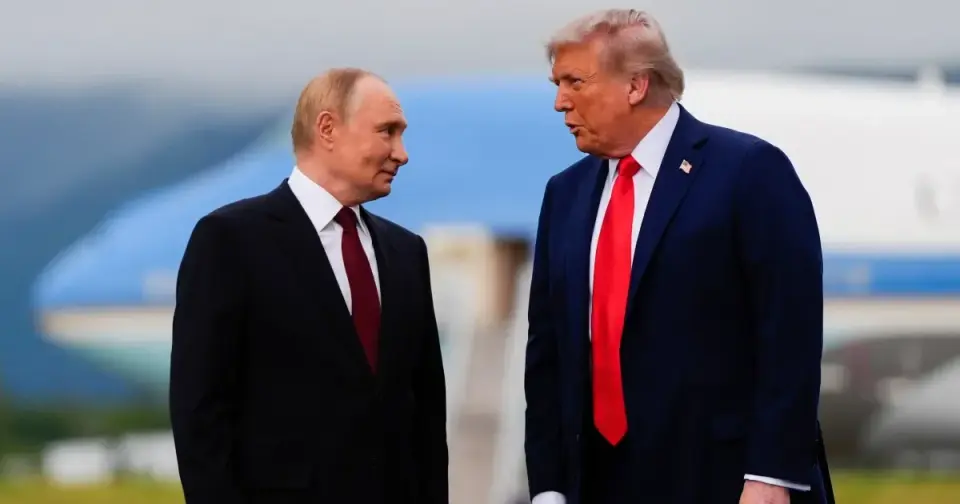
President Trump announced a deal with Vladimir Putin to release Russian diesel stocks to lower US fuel prices before the November midterms. The move reverses recent sanctions, causing a diplomatic rift with Ukraine and raising doubts about Russia’s ability to supply the promised volumes.
Key points
- Trump agreed with Putin to release 300,000 tonnes of diesel immediately, with 1.5 million tonnes more to follow in November and later, aiming to cut US prices.
- US diesel prices hit a record $6.52 per gallon in September, driving political pressure ahead of the November 3 midterms.
- The US Treasury issued a temporary license to allow Russian diesel exports, reversing the Lindsey O Graham Sanctioning Russia and Iran Act signed last month.
- Analysts doubt Russia can meet these volumes, as it banned diesel exports in July due to domestic shortages caused by Ukrainian strikes on refineries.
- Zelenskyy called the deal 'unfair' and 'dishonest,' stating it benefits Russia’s war effort and undermines US-Ukraine cooperation.
Background
The global diesel crisis has worsened since the US-Israel war on Iran began in February, disrupting the Strait of Hormuz. Europe and the US have struggled with supply shortages, leading to record-high prices. In September, the G7 agreed to release 100 million barrels of reserves, but analysts noted this was a temporary fix. Ukraine had previously paused strikes on Russian refineries at US request, but resumed them after Russia continued attacks on Ukrainian power grids.
How outlets are covering it
Al Jazeera emphasizes the economic desperation behind the deal, noting that US diesel prices doubled in a year and that the move is driven by midterm election pressures. Axios highlights the diplomatic fallout, reporting that Trump made the deal after Zelenskyy ignored multiple requests to stop attacking Russian refineries. NBC News frames the move as an abrupt reversal of sanctions that has rattled allies, with Trump suggesting Zelenskyy should be replaced. Analysts across outlets agree that the deal is unlikely to significantly impact global prices, as the promised volumes are small compared to daily consumption, and European countries may refuse to buy Russian fuel due to moral and strategic concerns.
Why it matters
The deal signals a shift in US foreign policy, prioritizing domestic economic stability over support for Ukraine. It risks deepening the rift between the US and its European allies, who have been trying to wean themselves off Russian energy. The move also complicates ongoing peace talks, as Putin has declined to commit to resuming negotiations, citing Ukrainian drone attacks. The outcome could influence the November midterms, as high fuel prices affect key swing states like Iowa and Kansas.
What to watch
The US Treasury has issued a temporary license for Russian diesel exports, but it is unclear if Russia can deliver the promised volumes. Witkoff and Kushner are considering visits to Moscow and Kyiv to discuss peace proposals, but the diesel deal may complicate these efforts. European countries are likely to refuse to buy Russian diesel, and the US may face further diplomatic pressure from allies. The situation will likely evolve as the midterm elections approach and as the global energy crisis continues to strain supply chains.
- Why is US turning to Russia for diesel despite sanctions? Al Jazeera
- U.S. official: Trump cut deal with Putin after Zelensky ignored his requests Axios
- ‘Gifts to Putin’: Ukraine rattled as Trump eases sanctions on Russian oil NBC News
- Democrats explode over Trump’s Russia diesel deal The Hill
- World in Brief: Indian authorities crack down on Cockroach protest; Trump agrees diesel deal with Putin The Economist
Want the full story? Read the original reporting
Read on Al Jazeera