
Trump’s Unilateral Energy Ceasefire Collapses as Russia Strikes Ukrainian Grid
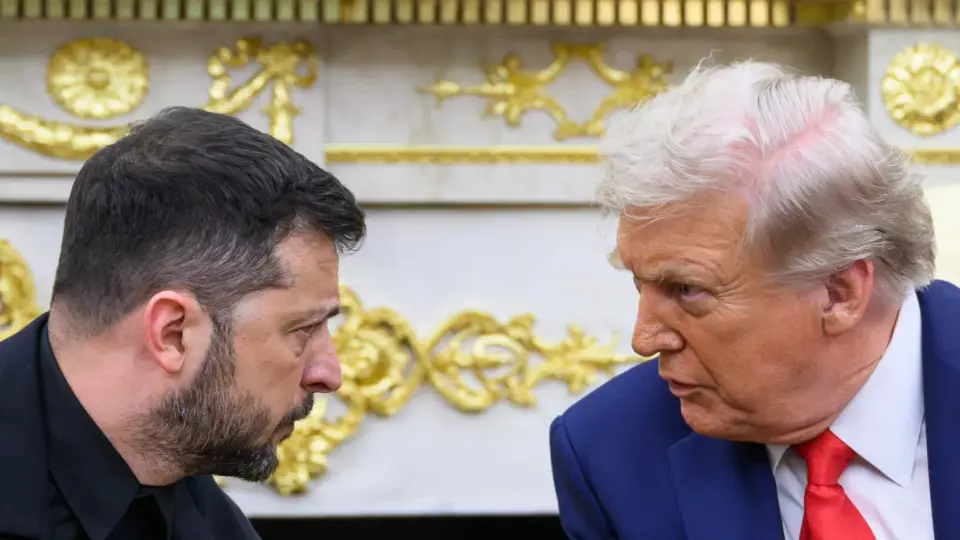
President Donald Trump declared an immediate 'energy ceasefire' between Russia and Ukraine on Truth Social, claiming both sides had agreed to halt strikes on energy infrastructure. However, the announcement proved tenuous; Ukrainian President Volodymyr Zelensky stated the news was unexpected, and Russian forces launched strikes on Ukrainian power plants hours later. The move follows a diplomatic rift where Trump, frustrated by rising U.S. gas prices, pressured Kyiv to stop attacking Russian refineries. White House officials warned that continued Ukrainian strikes on Russian oil facilities are damaging Zelensky’s relationship with Washington more than they are hurting Moscow, with envoys Steve Witkoff and Jared Kushner threatening to cut intelligence sharing if Ukraine ignores U.S. requests.
Key points
- Trump announced an 'energy ceasefire' via Truth Social, asserting both parties agreed to stop attacking energy targets, but Zelensky said he was unaware of any such agreement.
- Russia conducted strikes on Ukrainian power plants shortly after Trump’s announcement, contradicting the claimed truce.
- A White House official described the 'refinery for refinery' proposal as lopsided, noting Ukraine has only one partially functional refinery while Russia has a vast network.
- U.S. envoys Witkoff and Kushner held a planned trip to Moscow to await clarity on a unified proposal for Putin, while threatening to halt intelligence sharing with Ukraine.
- The Financial Times reported the U.S. warned European allies it might stop selling weapons to Ukraine through NATO if Kyiv continues striking Russian refineries.
Background
This escalation follows a pattern of failed energy truces. In September 2026, a similar Trump-backed ceasefire collapsed as both sides launched fresh attacks, including 200 Russian drones hitting Ukrainian energy facilities. Recent months have seen a surge in civilian casualties, including a deadly bus strike in Kramatorsk in October 2026, and Zelensky has repeatedly warned of escalating strikes on Russian infrastructure if Moscow continues targeting Ukraine’s winter grid.
How outlets are covering it
Axios emphasizes the internal U.S. frustration, highlighting White House officials’ view that Ukraine is 'taking the U.S. for granted' and that the proposed ceasefire is structurally unequal. CNN’s coverage, though largely obscured by technical code in the provided source, focuses on the public declaration of the ceasefire and the immediate contradiction of Russian strikes. Both outlets agree that the ceasefire is not a formal agreement but a unilateral assertion by Trump that lacks buy-in from either Kyiv or Moscow.
Why it matters
The collapse of this unilateral ceasefire signals a deepening rift between the U.S. and Ukraine over the conduct of the war. If the U.S. follows through on threats to cut intelligence or weapon sales, it could significantly alter the battlefield balance. Furthermore, the failure to halt energy strikes threatens to worsen the energy crisis in Europe and keep global oil prices volatile, directly impacting U.S. consumers.
What to watch
The U.S. is waiting to see if Russia is ready to accept a new unified proposal before resuming diplomatic trips to Moscow. Ukraine is expected to continue its strategy of striking Russian refineries unless a formal, reciprocal ceasefire is agreed upon. The next 48 hours will determine if the U.S. follows through on threats to reduce support for Kyiv.
- Trump bears down on Zelensky as Russia keeps up attacks on Ukraine Axios
- Backlash grows against Russia diesel deal as Trump claims Ukraine energy ceasefire The Hill
- Trump claims Ukraine and Russia have agreed to energy ceasefire CNN
- Trump says Russia, Ukraine agree to ‘energy ceasefire’ but Kyiv says attacks continue The Hindu
- Ukraine awaits details of ceasefire proposals from US, Russia maintains attacks, Zelenskiy says Reuters
Want the full story? Read the original reporting
Read on Axios