
Siberian Lab Death Sparks Global Biosafety Crisis Amid US-Russia Information Standoff
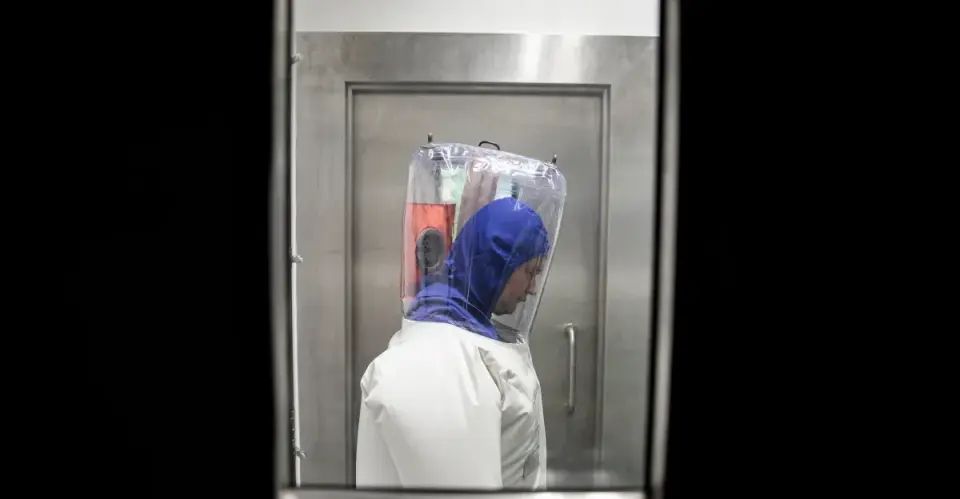
A 28-year-old researcher died at a Russian anti-plague institute in Irkutsk, triggering international alarm over potential lab leaks. While Moscow denies a plague diagnosis, citing 'unknown pneumonia,' the US and WHO are pressing for transparency. The incident highlights a global surge in high-level bio-labs outpacing oversight, raising fears of future accidental pathogen releases.
Key points
- A 28-year-old lab worker died at the Research Anti-Plague Institute of Siberia in Irkutsk, prompting quarantine of nearly 200 contacts and five hospitals.
- Russian authorities deny a plague diagnosis, attributing the death to 'pneumonia of unknown origin,' while US officials suspect a lab accident or modified pathogen.
- The US State Department issued a formal diplomatic request for information, with President Trump scheduling a call with Vladimir Putin, though the Kremlin denies the call is arranged.
- Global BioLabs reports a post-pandemic boom in Biosafety Level 4 facilities, with 10 new labs added between 2021 and 2023, often in regions with weaker oversight.
- The CDC and WHO assess the immediate global risk as low, noting pneumonic plague is treatable with antibiotics, but warn of diminished global health response capabilities due to funding cuts.
Background
This incident follows a series of earlier reports from October 5-6, 2026, detailing the initial death of the lab worker and the subsequent international monitoring by the CDC and WHO. Previous coverage noted that Russian officials had already denied a plague outbreak, citing negative tests for plague pathogens among contacts, while maintaining that the cause of death remained officially unconfirmed. The current developments represent an escalation in diplomatic pressure and a broader critique of global biosafety infrastructure, rather than new medical findings.
How outlets are covering it
Vox emphasizes the systemic failure of global biosafety oversight, arguing that the post-Covid-19 expansion of high-level labs outpaces regulatory capacity, particularly in developing nations. CNN focuses on the diplomatic friction, highlighting the Trump administration's frustration with Russian stonewalling and the lack of transparency, which complicates US preparedness. CNBC and Axios present a more measured view, citing CDC and WHO assessments that the immediate threat to the US is low, while noting the importance of rapid identification and treatment. The sources diverge on the likelihood of a broader outbreak, with Vox and CNN expressing deeper unease about potential lab leaks or modified pathogens, while official health agencies maintain a cautious but reassuring stance.
Why it matters
The incident underscores the growing risks of expanding high-level biological research without adequate global oversight. It highlights the vulnerability of public health systems to both accidental lab leaks and deliberate information suppression by state actors, potentially undermining international cooperation and response capabilities in future outbreaks.
What to watch
The US and WHO will continue to press Russia for transparent information, with potential diplomatic consequences if Moscow fails to cooperate. Global health experts may call for stricter oversight of Biosafety Level 4 facilities, particularly in regions with weaker regulatory frameworks. The incident may also prompt a reassessment of global health response capabilities and funding priorities, especially in light of recent cuts to international health bodies.
- The real reason the Russia plague case should scare you Vox
- Facing stonewalling from Russia, Trump admin struggles to plan for potential plague fallout CNN
- Trump set to talk to Russia's Putin 'very soon' about plague-related death in Siberia CNBC
- Exclusive | U.S. Escalates Pressure on Russia Over Siberia Lab Death WSJ
- CDC: Monitoring Russian plague risk, "prepared" for any threat Axios
Want the full story? Read the original reporting
Read on Vox