Tag

Biosafety

All articles tagged with #biosafety

Researchers Build the First Synthetic Cell From Nonliving Chemistry
science11 days ago

Researchers Build the First Synthetic Cell From Nonliving Chemistry

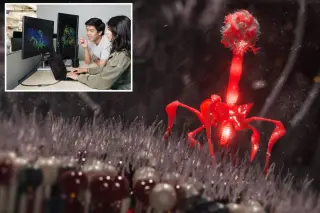
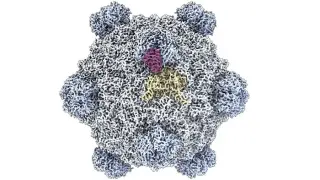
Scientists have built SpudCell, a synthetic cell assembled from nonliving chemical components that can feed, grow and replicate for about five generations; though far simpler than natural cells and requiring externally supplied ribosomes, the work marks a milestone in synthetic biology toward understanding life's origins and enabling future bioengineering, with safety safeguards discussed and the core technology to be shared openly via Biotic.

Moon Biocontainment Plan: Scientists Call for an Automated Lunar Quarantine Lab
space-and-spaceflight19 days ago

Moon Biocontainment Plan: Scientists Call for an Automated Lunar Quarantine Lab

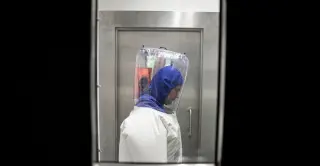
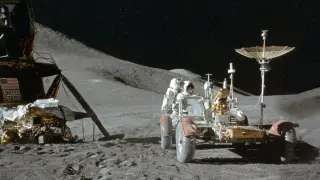
Biologist Frederick Moxley and McGill’s Anthony Ricciardi propose NASA build a self-contained, automated lunar biocontainment facility (BSL-X) on the Moon to quarantine and sterilize potentially hazardous extraterrestrial samples before any Earth return, arguing Earth-based labs may be insufficient to guard against novel alien microbes; they cite a 2018 ISS bacterium mutation as a cautionary example and frame the plan as a precautionary firewall for interplanetary exploration.

Two government scientists charged with smuggling deactivated mpox into the U.S.
health1 month ago

Two government scientists charged with smuggling deactivated mpox into the U.S.

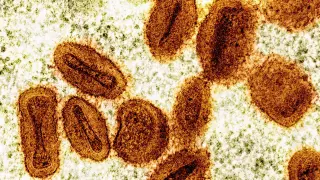
Two virologists at a U.S. government lab were charged in Detroit with smuggling vials of deactivated mpox from Africa into the United States and lying to investigators after being stopped at Detroit Metropolitan Airport; the samples were not declared and proper authorization was lacking, with NIH cooperating in the ongoing case and the defendants slated to appear in Missoula, Montana.

politics1 month ago

NIH Lab Researchers Charged Over Alleged Mpox Smuggling

Two NIH scientists at Rocky Mountain Laboratories in Montana, Vincent Munster and Claude Kwe, were charged with conspiring to smuggle deactivated mpox from the Republic of Congo into the U.S. and making false statements after authorities found 113 vials (some mpox, chickenpox, and human DNA) during a Detroit-bound shipment; the virus was reportedly deactivated. The case underscores biosafety questions at the lab, with potential penalties up to five years if convicted, and NIH stating it activated enhanced safety protocols and is cooperating with investigators.

Century-scale biosafety study links inactivation gaps to outbreaks and deaths
health1 month ago

Century-scale biosafety study links inactivation gaps to outbreaks and deaths

A century-long review of 1,126 lab biosafety incidents (1900–2025) finds outbreaks are mainly driven by failures to inactivate dangerous pathogens, plus leaks and poor decontamination; personnel type and lab setting influence outbreak risk, while deaths are driven by pathogen virulence (notably prions and RG4 pathogens). The authors suggest risk assessment frameworks and targeted training to improve containment.

Recovered virus samples spark biosafety questions after Unicamp theft
science2 months ago

Recovered virus samples spark biosafety questions after Unicamp theft

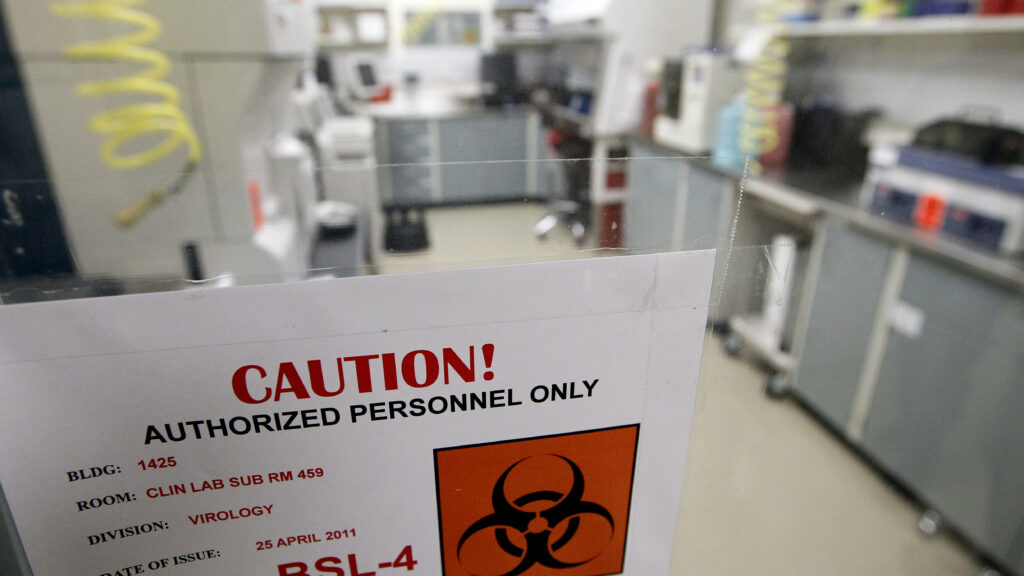
Brazilian police recovered missing virus samples from Unicamp’s high-security BSL-3 lab—including chikungunya and dengue—after a researcher, Soledad Palameta Miller, was arrested and later released on bail; the case has raised questions about access controls at secure facilities as Brazil plans its first BSL-4 lab nearby, while investigators probe motives and security gaps and regulators say the samples did not pose health risks.

Scientists Explore the Promise and Perils of Mirror Cells in Synthetic Biology
science8 months ago

Scientists Explore the Promise and Perils of Mirror Cells in Synthetic Biology

A researcher at the University of Minnesota and a group of scientists have raised concerns about the potential dangers of creating mirror cells, which are synthetic organisms with reversed biomolecular structures. While such cells could advance scientific understanding and medical research, experts warn they might pose significant ecological and health risks if released, leading to calls for strict regulations and ethical considerations to prevent potential existential threats.

Debate Over Mirror-Image Biology and Its Potential Risks
science9 months ago

Debate Over Mirror-Image Biology and Its Potential Risks

Experts are debating the risks and benefits of researching mirror-image molecular biology and the potential creation of mirror-image organisms, which could have significant scientific and medical applications but also pose unknown risks. Current scientific challenges make the creation of fully functional mirror-image life forms unlikely in the near future, but ongoing research offers promising benefits in drug development and biotechnology. Caution and responsible regulation are emphasized to balance innovation with safety.

Scientists Warn of 'Mirror Life' Microbes Threatening Humanity
science10 months ago

Scientists Warn of 'Mirror Life' Microbes Threatening Humanity

Scientists warn that creating 'mirror life'—organisms with reversed molecular chirality—poses significant risks, including potential environmental invasion and unchecked replication, which could threaten humanity and ecosystems. Despite current safety measures, experts advocate for a global ban on such research to prevent irreversible harm.

Scientists Warn of Catastrophic Risks from 'Mirror Bacteria' Research
science1 year ago

Scientists Warn of Catastrophic Risks from 'Mirror Bacteria' Research

Scientists have issued a warning about the potential dangers of lab-created 'mirror bacteria,' synthetic organisms with mirrored molecular structures that could bypass immune defenses and cause widespread ecological harm. Although the creation of such organisms is at least a decade away, rapid advancements in synthetic biology have prompted 38 Nobel laureates and experts to call for a pause in research. They argue that the risks, including potential lethal infections and ecological destabilization, outweigh the benefits.

Scientists Urge Caution on Synthetic 'Mirror Life' Threats
science1 year ago

Scientists Urge Caution on Synthetic 'Mirror Life' Threats

Leading scientists, including Nobel laureates, are urging a halt on research into creating 'mirror life' microbes due to potential unprecedented risks to life on Earth. These synthetic organisms, constructed from mirror images of natural molecules, could evade immune defenses and cause lethal infections in humans, animals, and plants. The call for a moratorium is based on a new risk assessment, highlighting the need for a global debate on the safety and ethical implications of such research.

"Colorado Virus Lab Staff Bitten by Covid-Infected Hamsters and Disease-Ridden Bats"
health-research2 years ago

"Colorado Virus Lab Staff Bitten by Covid-Infected Hamsters and Disease-Ridden Bats"

Documents obtained by the White Coat Waste Project reveal at least 50 incidents involving safety control lapses at Colorado State University's taxpayer-funded lab between 2020 and 2023, including workers being bitten by Covid-infected hamsters, splashed with blood from mice with tuberculosis, and scratched by rabies-infected cats. The reports were not disclosed to the public, raising concerns about transparency and public trust in America's public health institutions. The university's plan to construct a new bat lab has sparked safety concerns, as the facility has been fined for violating the Animal Welfare Act and has a history of lab accidents involving infectious agents.

"Risks of Lab Leaks: America's Potential Role in the Next Pandemic"
health-science2 years ago

"Risks of Lab Leaks: America's Potential Role in the Next Pandemic"

Official data reveals a high number of lab leak incidents at top virus labs in the US, with over 600 releases of controlled pathogens recorded in the eight years leading up to 2022. Concerns are raised about the potential for deadly pathogens to escape from labs and spark a new pandemic, as safety lapses continue to pose a serious threat to human, animal, and plant health. Calls for stricter oversight and regulation of high-containment laboratories are made to prevent further accidents that could lead to another public health crisis.