
Coordinated hoax bomb threats disrupt 27 European flights, raising hybrid warfare concerns
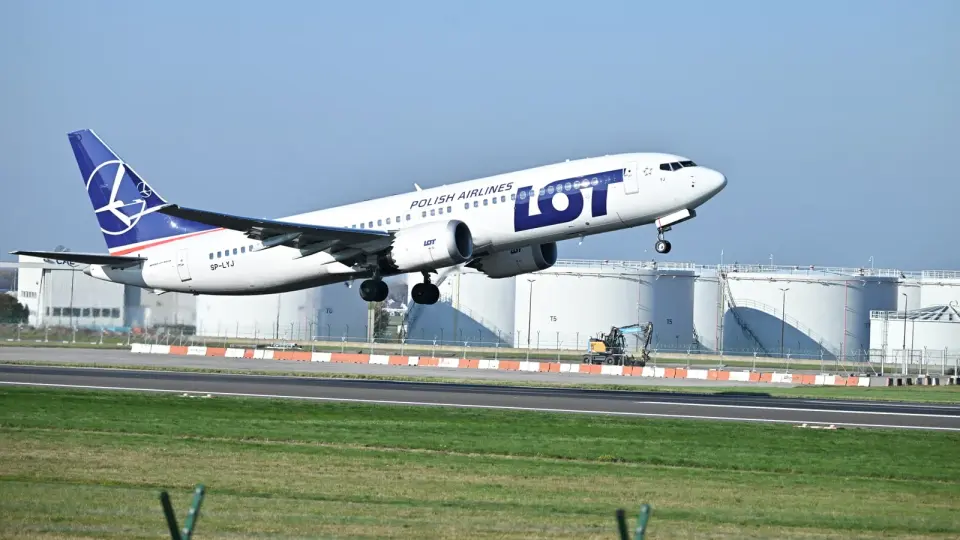
A second wave of coordinated hoax bomb threats disrupted at least 27 flights across Europe on November 5, 2026, causing diversions and fighter jet escorts. While all aircraft were cleared as false alarms, officials and experts are investigating potential links to state-sponsored hybrid warfare, though no definitive attribution has been made.
Key points
- At least 27 flights were impacted on Thursday, following seven incidents on Tuesday, with no explosives found in any searches.
- Airlines including Aer Lingus, Finnair, Wizz Air, and LOT Polish Airlines confirmed diversions and security checks, with some flights escorted by fighter jets.
- Bomb threats emailed to Rome and Sofia were signed by 'fighters of the Male State,' a Russian far-right group, though the founder denied involvement.
- U.S. Transport Secretary Sean Duffy described the incidents as 'false attacks' and confirmed coordination with European partners to monitor airspace.
- Italian Defense Minister Guido Crosetto characterized the events as 'under-threshold warfare' designed to stoke tensions without clear attribution.
Background
This latest disruption follows a series of coordinated bomb threats on November 3, which affected seven flights across Europe, including in Warsaw, Spain, and Bulgaria. All previous incidents were also confirmed as false alarms. The current wave is part of a broader pattern of hybrid threats, including recent cyber-attacks on supermarket refrigeration systems and a blood bank, which have raised concerns about state-sponsored destabilization efforts in Europe.
How outlets are covering it
CNBC and Reuters emphasize the scale of the disruption, noting that 27 flights were affected on Thursday alone, with some requiring fighter jet escorts. The Guardian highlights the potential link to 'hybrid war,' noting that threats were signed by 'fighters of the Male State,' a Russian far-right group, though investigators found no evidence of state orchestration. BBC focuses on the circumstantial evidence pointing to Russia, citing recent cyber-attacks and drone sightings, but notes that no definitive attribution has been made. The Telegraph was inaccessible due to a security block, so its perspective could not be assessed. All sources agree that the threats were hoaxes, but they differ in their emphasis on the potential for state-sponsored hybrid warfare versus isolated criminal acts.
Why it matters
The coordinated nature of these hoax bomb threats, combined with other hybrid attacks like cyber-attacks on critical infrastructure, raises concerns about the stability of European aviation and the potential for state-sponsored destabilization. While no explosives were found, the disruptions have caused significant economic and logistical impacts, and the lack of clear attribution complicates efforts to prevent future incidents. The incidents also highlight the vulnerability of European airspace to coordinated, low-cost disruptions that can have high-impact consequences.
What to watch
European authorities are continuing to investigate the incidents, with the EU-level information-sharing mechanism activated. Airlines are expected to maintain heightened security protocols, and there may be increased public concern about air travel safety. The lack of definitive attribution means that the threats could continue, and further coordination between European and U.S. authorities is likely to monitor airspace and prevent future disruptions.
- Bomb threats disrupt flights across Europe for the second time. Here’s what we know CNBC
- Bomb threats disrupt at least 25 flights across Europe, raising hybrid war fears The Guardian
- Who could be behind hoax bomb threats to European air travel? BBC
- ‘Bomb threats’ at two UK airports as planes diverted across Europe The Times
- Twelve flights diverted across Europe after bomb threats The Telegraph
Want the full story? Read the original reporting
Read on CNBC