
Vetting Failures Exposed: How a Barred Omani Pilot Reached an Israel-Bound Cockpit
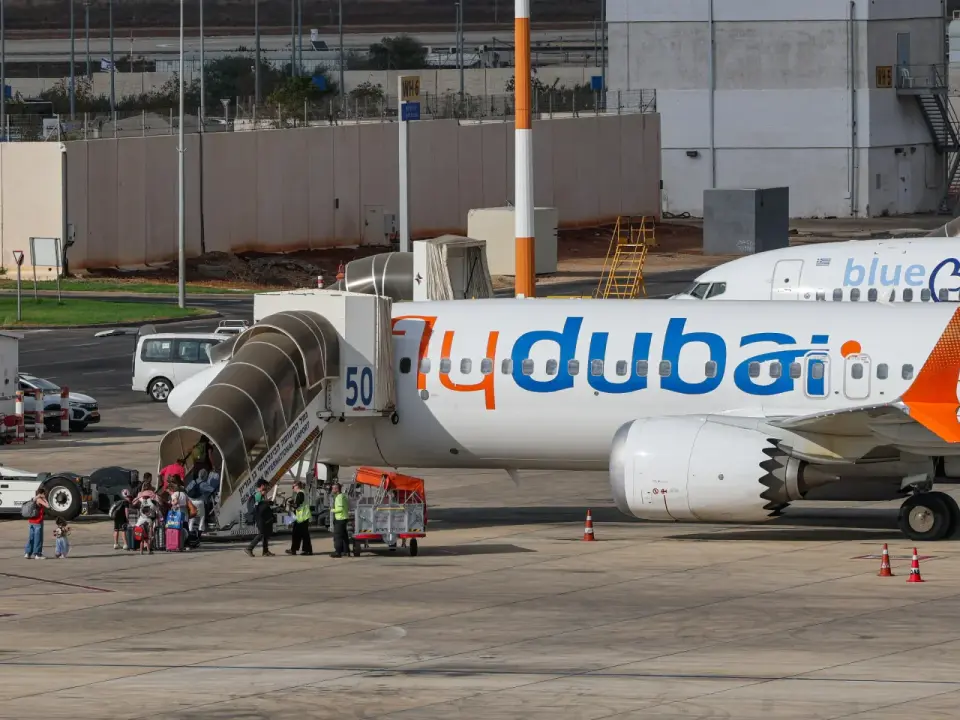
Investigators are probing how Hamam al-Hammami, an Omani co-pilot previously barred from flying due to extremist views, was hired by Flydubai and cleared to fly to Israel. The September 30 attack, described as a 'lone wolf' act, exposed gaps in international pilot screening and Israeli pre-flight vetting.
Key points
- Al-Hammami was removed from Oman Air in 2024 for extremist views but was later hired by Flydubai after passing standard UAE security checks.
- The UAE describes the September 30 incident as an attempted terrorist operation, while early U.S. and Israeli assessments suggest the co-pilot acted alone.
- Israel received crew lists 48 hours prior but its Transportation Ministry admits its procedures do not specifically address threats from foreign pilots.
- The captain, Smit Machchhar, survived severe injuries after opening the cockpit door, allowing passengers to subdue the attacker and land in Saudi Arabia.
Background
This incident follows a series of reports in early October 2026 regarding the emergency landing in Tabuk, Saudi Arabia, and the subsequent focus on cockpit door vulnerabilities. Earlier coverage highlighted that al-Hammami had visited radical websites and that Flydubai did not verify his status with Oman Air before hiring him. The current investigation expands on these initial findings by examining the specific regulatory failures in both the UAE and Israel.
How outlets are covering it
Al Jazeera and CNN emphasize the systemic failure of background checks, noting that no global standard exists for pilot vetting and that Oman did not inform other countries of al-Hammami's disqualification. CNN experts argue that post-9/11 security measures were not designed to prevent internal threats from crew members. NBC News focuses on the motive, reporting that U.S. officials and a former Israeli security official view the attack as 'lone wolf' terrorism inspired by online content, though they caution that state involvement has not been definitively ruled out. AP News highlights the lack of public information regarding the passengers and crew who intervened, noting they remain unidentified. While the UAE frames the event as a terrorist act, Israel’s Prime Minister Benjamin Netanyahu described the clearance of an Omani national as a 'loophole' in existing arrangements.
Why it matters
The incident exposes critical vulnerabilities in international aviation security, specifically the lack of shared databases for pilot vetting across borders. It forces a re-evaluation of how countries with no diplomatic relations, such as Oman and Israel, coordinate security clearances for flight crews. The failure to flag a known security risk despite pre-flight data sharing mechanisms highlights the need for stricter, standardized global protocols for aviation personnel.
What to watch
Israel has ordered a 'thorough examination' of all foreign civil aviation security measures. The UAE is continuing its investigation into the motive and potential links to extremist organizations. Investigators are expected to analyze flight data recorders and review the medical and training histories of the suspect. The International Civil Aviation Organization (ICAO) has stated that standards are under continuous review to address emerging priorities.
- How was Flydubai co-pilot cleared despite being deemed a security risk? Al Jazeera
- Alleged Flydubai hijacking attempt exposes worrying gaps in aviation security CNN
- Early indications suggest Flydubai co-pilot acted alone in attack, officials say NBC News
- Who are the mystery men who stepped in to keep the FlyDubai plane from crashing? AP News
- Who Were the Pilots on the FlyDubai Flight? The New York Times
Want the full story? Read the original reporting
Read on Al Jazeera