
Wisconsin officials euthanize backyard flock after confirming highly pathogenic avian influenza in Rusk County
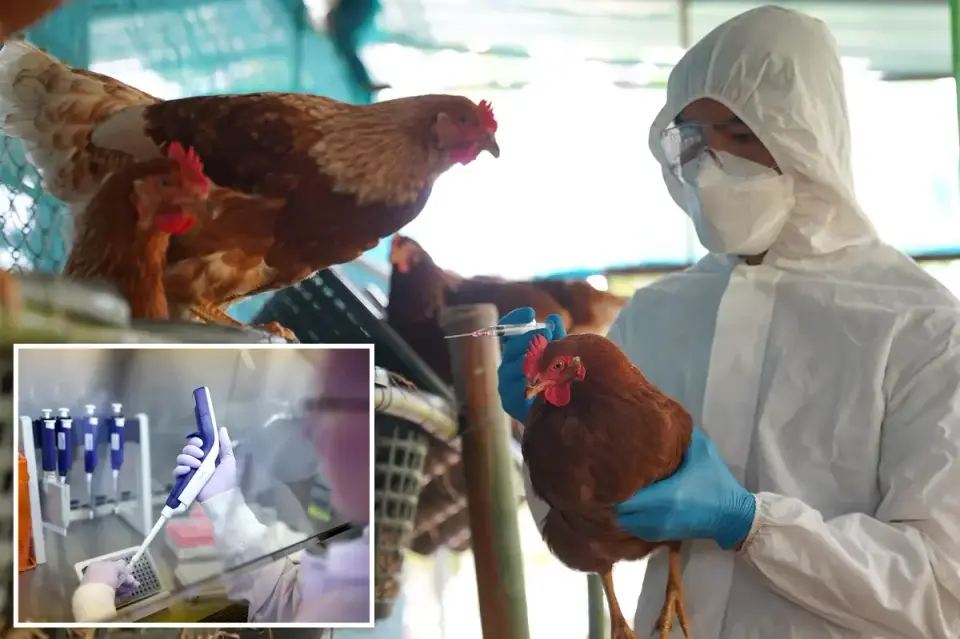
The Wisconsin Department of Agriculture, Trade and Consumer Protection (DATCP) confirmed a case of highly pathogenic avian influenza (HPAI) in a backyard poultry flock in Rusk County on Thursday. Officials euthanized all birds on the property to prevent the spread of the virus, ensuring none entered the food supply. While DATCP did not specify the infection source, they noted that HPAI has circulated in North America since December 2021. The agency advised livestock owners to implement strict biosecurity measures, including hand washing, equipment disinfection, and isolating new animals for 30 days, while recommending that poultry be kept indoors to minimize exposure.
Key points
- DATCP confirmed an HPAI case in a Rusk County backyard flock on November 12, 2026.
- All birds on the infected property were euthanized and excluded from the food system.
- Officials did not disclose how the flock became infected but emphasized the virus's high contagion rate.
- A 10-kilometer surveillance zone may be established, though no movement restrictions were imposed on surrounding premises.
- DATCP recommended keeping birds indoors and isolating new additions for at least 30 days to prevent transmission.
Background
This outbreak occurs amid ongoing concerns about HPAI in North America, where the virus has circulated since December 2021. Recent developments include the confirmed death of the famous bald eagle Jackie in California from HPAI in August 2026, as well as a nationwide poultry lockdown in the Netherlands following multiple outbreaks in October 2026. These events highlight the persistent threat of the virus to both wild and domestic bird populations across different regions.
Why it matters
The confirmation of HPAI in Wisconsin underscores the continued risk to domestic poultry and the necessity of proactive biosecurity measures. Although the virus is often fatal to domestic birds, it poses minimal direct risk to human health, yet its economic impact on the poultry industry remains significant. The emphasis on surveillance zones and preventive actions reflects the ongoing challenge of managing avian influenza outbreaks in a landscape where the virus has become endemic since 2021.
What to watch
DATCP will likely monitor the 10-kilometer surveillance zone for any additional cases. Livestock owners in Wisconsin are expected to continue adhering to recommended biosecurity protocols, including indoor confinement and strict hygiene practices, to prevent further spread. There is no immediate indication of broader movement restrictions, but vigilance remains critical as the virus continues to circulate among wild and domestic birds.
Want the full story? Read the original reporting
Read on New York Post