
Early 2026 Flu Season Reaches 2,800 Deaths as CDC Halts Public Vaccination Campaigns
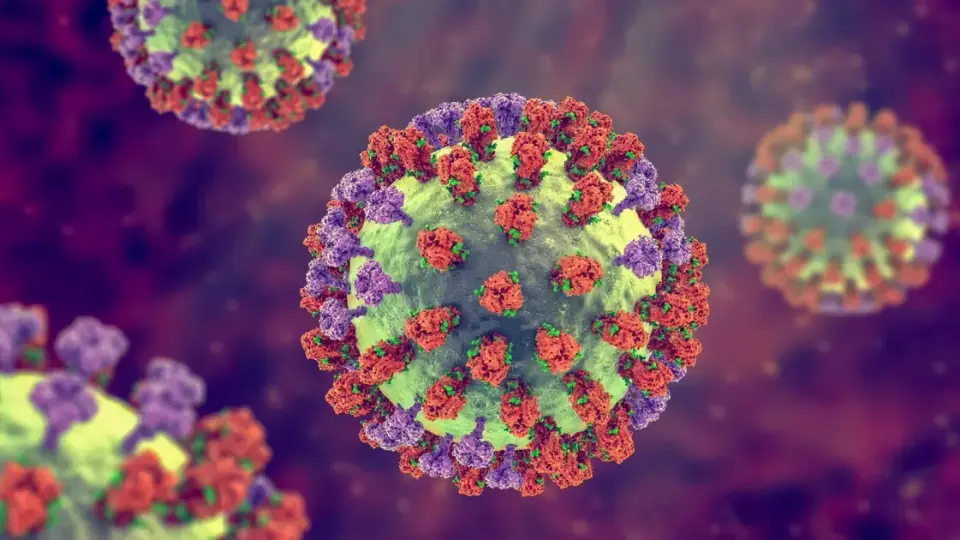
The 2026-27 flu season has begun unusually early in the US, with the CDC reporting 3.7 million illnesses, 50,000 hospitalizations, and 2,800 deaths as of late November. Influenza A accounts for 99% of reported cases, and activity is high in 11 states, including California, Texas, and Georgia. Despite this surge, the CDC has suspended its traditional public awareness campaigns, including the 'Wild to Mild' initiative, under orders from HHS Secretary Robert F. Kennedy Jr. This silence has left state health officials and medical experts to fill the communication void, while vaccination rates remain low, with adults at 37% and children at 32%. Health experts urge everyone 6 months and older to get vaccinated, noting that even late vaccination offers protection for the winter holidays.
Key points
- The 2026-27 flu season has started unusually early, with the CDC reporting 3.7 million illnesses, 50,000 hospitalizations, and 2,800 deaths as of Nov 20, 2026.
- Influenza A dominates the season, accounting for 99% of viruses reported by public health laboratories, and 11 states report high or very high flu activity, including California, Colorado, Georgia, Louisiana, New Mexico, Oregon, South Carolina, Tennessee, Texas, and Washington.
- The CDC has halted its traditional public awareness campaigns, including the 'Wild to Mild' initiative, under orders from HHS Secretary Robert F. Kennedy Jr., who is a longtime vaccine skeptic. The agency has not launched its typical pre-Thanksgiving vaccination campaigns, leading to criticism from state health officials and medical experts.
- Vaccination rates remain low, with adults at 37% and children at 32% as of late November. Health experts urge everyone 6 months and older to get vaccinated, noting that even late vaccination offers protection for the winter holidays.
- Health experts recommend frequent handwashing, wearing masks in crowded places, and staying home if experiencing flu symptoms. They also advise testing for flu if symptoms appear after Thanksgiving gatherings, as flu and COVID-19 can have similar symptoms.
Background
The 2026-27 flu season has begun unusually early, with the CDC reporting 3.7 million illnesses, 50,000 hospitalizations, and 2,800 deaths as of late November. Influenza A dominates the activity, and 11 states report high or very high flu levels. Despite the surge, vaccination rates remain low, with adults at 37% and children at 32%. The CDC has not launched its typical public awareness campaigns, leading to criticism from health officials and state agencies. In the past, the CDC has held two news conferences each year to raise awareness of flu season, one in August or September and another in December. The agency has also run paid advertising campaigns to promote vaccination. This year, the CDC has not launched any such campaigns, leaving state health officials and medical experts to fill the communication void.
How outlets are covering it
HuffPost emphasizes the importance of vaccination and other preventive measures, such as handwashing and mask-wearing, to protect against the flu during Thanksgiving gatherings. CNN highlights the CDC's silence on flu season and the lack of public awareness campaigns, noting that this has left the public unprotected. USA Today focuses on the early start of the flu season and the rising number of cases, while also providing information on how to distinguish between flu and COVID-19 symptoms. All three sources agree that the flu season has begun unusually early and that vaccination is the best protection against the flu. However, they differ in their emphasis: HuffPost focuses on individual preventive measures, CNN on the CDC's lack of public awareness campaigns, and USA Today on the rising number of cases and the importance of distinguishing between flu and COVID-19 symptoms.
Why it matters
The early start of the 2026-27 flu season has led to a significant number of illnesses, hospitalizations, and deaths. The CDC's silence on flu season and the lack of public awareness campaigns have left the public unprotected, while vaccination rates remain low. This has led to criticism from state health officials and medical experts, who argue that the CDC should be speaking out in a courageous way to protect the public. The early start of the flu season also means that more people are sick from influenza the week of Thanksgiving than usual, and more people are potentially spreading influenza when they travel through crowded places like airports or train stations.
What to watch
The CDC is expected to continue monitoring flu activity and providing timely information to healthcare professionals and the public. However, it is unclear whether the CDC will launch any public awareness campaigns in the near future. State health officials and medical experts are expected to continue filling the communication void, urging the public to get vaccinated and take other preventive measures. The flu season is expected to continue to rise, with more cases and deaths likely in the coming weeks. Health experts urge everyone 6 months and older to get vaccinated, noting that even late vaccination offers protection for the winter holidays.
- The Flu Is Spreading Earlier Than Usual. Here’s What That Could Mean For Thanksgiving Gatherings. HuffPost
- The CDC stays quiet on flu as an early season catches many Americans off-guard CNN
- Flu activity picks up Nationwide: See the hardest-hit states USA Today
- These 2 states have the highest flu activity ahead of Thanksgiving LiveNOW from FOX
- Pa. doctors are seeing an early flu surge ahead of the Thanksgiving holiday PennLive.com
Want the full story? Read the original reporting
Read on HuffPost