
Early 2026 Flu Surge Driven by H1N1 Strain Prompts Urgent Vaccination Push
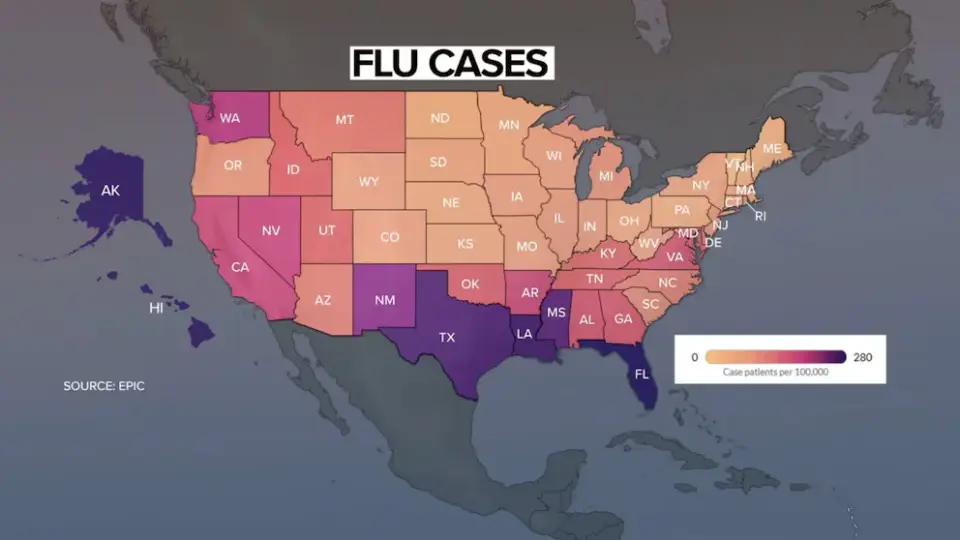
Influenza cases are rising earlier than usual in 2026, marking the earliest start in five years. The surge is primarily driven by the H1N1 strain, which is currently dominant in both the US and Canada. While H1N1 is generally milder than H3N2, health officials urge immediate vaccination to prevent severe complications and hospitalizations, especially for high-risk groups.
Key points
- The 2026 flu season has started earlier than typical, with cases rising in October rather than the usual December peak.
- Influenza A, specifically the H1N1 strain, accounts for approximately 98% of confirmed cases in Canada and is the dominant strain in the US.
- Health experts note that while H1N1 is less severe than H3N2, it is highly transmissible and can lead to significant outbreaks.
- Vaccination rates have declined in recent years, with child vaccination coverage dropping to 50% in the 2024-2025 season.
- A new mRNA flu vaccine, mFlusiva, is available for adults over 50 and offers higher efficacy than traditional shots.
- Officials emphasize that vaccination takes two weeks to become effective, making early administration critical for holiday travel.
Background
Previous coverage in October 2026 highlighted an early surge on the US West Coast, with California reporting record West Nile cases and elevated flu activity. The Bay Area saw a spike in hospitalizations and 34 flu-related deaths, driven by the same H1N1 strain now being reported nationally. This early start defies traditional seasonal patterns where flu typically spreads from the South to the West later in the year.
How outlets are covering it
ABC News highlights the early start as a significant public health concern, urging families to protect themselves through vaccination. The Spokesman-Review focuses on the mechanics of the vaccine, noting that while H1N1 is currently dominant, H3N2 is linked to more severe seasons, and emphasizes the 'Swiss cheese model' of layered protection. CBC reports on the Canadian context, noting that while H1N1 is milder, it is causing isolated outbreaks in major cities like Toronto and Calgary, with two deaths recorded so far. Axios's content was largely obscured by cookie consent text, offering no substantive perspective on the health data.
Why it matters
The early onset of the flu season disrupts typical healthcare planning and increases the risk of co-circulating respiratory illnesses like COVID-19 and RSV. With vaccination rates at 15-year lows for children, the potential for severe complications and hospitalizations is heightened, particularly for older adults and those with underlying conditions.
What to watch
Health officials expect flu cases to continue rising through the winter, with a potential peak in January. Vaccination campaigns are rolling out across Canada and the US, with most regions offering shots to the general public by mid-October. Experts predict that the season may see a shift to influenza B strains in early 2027, necessitating continued vigilance and layered protective measures.
- Video New flu numbers suggest beginning of flu surge ABC News - Breaking News, Latest News and Videos
- As flu season ramps up, why should you get vaccinated? The Spokesman-Review
- Flu season's unexpected twist: It started in Western states The Seattle Times
- How good is this year's flu shot? Here's what to know about flu season CBC
- Flu is showing up earlier this year Axios
Want the full story? Read the original reporting
Read on ABC News - Breaking News, Latest News and Videos