Leana Wen answers reader questions about the upcoming fall rollout of COVID-19 and influenza vaccines, clarifying what to expect and cutting through confusion surrounding federal vaccine drama.
Michigan health officials confirm a human case of influenza A H1N2 (swine flu) in an Ionia County resident who exhibited swine at the Kent County Youth Fair; authorities are tracing exposures, notifying exhibitors and providers, and urging standard flu precautions since there is no swine-flu vaccine and the seasonal flu vaccine offers no protection against H1N2. Antiviral treatments can help, and high-risk individuals should seek care promptly; symptoms resemble seasonal flu and exposure can occur up to 10 days after contact with pigs.
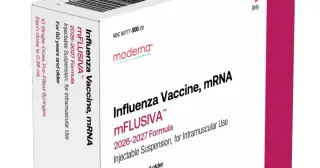
The FDA approved Moderna’s mRNA flu vaccine, mFLUSIVA, for adults 50–64 and gave accelerated approval for adults 65+, with the potential to rapidly reformulate to match circulating influenza strains. In trials, it showed a 26.6% relative reduction in lab-confirmed flu versus standard vaccines and was generally well tolerated, though side effects were more common. Regulators in the EU, Canada, and Australia are reviewing similar uses, and a Phase IV trial is planned to assess efficacy against an enhanced 65+ vaccine. Separately, Europe has approved a combined influenza and COVID-19 mRNA vaccine (mCombriax). Experts say the technology could improve responsiveness to evolving flu strains and ease manufacturing bottlenecks, but real-world effectiveness will determine its ultimate impact.
FDA approves mFLUSIVA, the United States’ first mRNA influenza vaccine, marking a milestone for the platform after a year of funding reversals; unlike egg-based vaccines, it can be updated in two to three months and deployed closer to flu season, hinting at future breakthroughs across vaccines and therapies, though real-world uptake will depend on access, cost, and regulatory guidance.
A parenting coach’s viral critique of strict grandparent visitation demands TDAP and flu vaccines, quarantines, and other gatekeeping rules for encounters with newborns, sparking a heated online debate. Health professionals say vaccinating visitors helps protect vulnerable infants, while supporters argue these boundaries infringe on family autonomy and the normal flow of visits, highlighting differing views on protecting babies versus parental control.
New CDC data show the US death rate dropped to a record low of 689.2 deaths per 100,000 in 2025, a 4.6% decline driven mainly by continued falls in fatal overdoses and COVID-19 deaths across most age groups and demographics; however, deaths from influenza and pneumonia rose to move into the top 10 causes of death for the first time since 2020, while Black Americans have the highest death rate and men die at higher rates than women, indicating broad improvements across most groups but ongoing disparities.
After the Pentagon ended the long‑standing flu vaccine mandate citing medical autonomy, a rapid influenza outbreak at Lackland Air Force Base sickened hundreds of recruits, underscoring that vaccination has been and remains a key element of military readiness in close-quarter settings, and that policy shifts can have immediate public‑health consequences.
Amid a growing influenza outbreak at Lackland Air Force Base's Basic Military Training, the Pentagon is reimposing flu-shot requirements for new recruits across the Army, Navy, and Air Force; the current recruiting class will be vaccinated, and exemptions to the prior voluntary policy are expected to widen, with potential expansion of mandates to deployed troops and healthcare personnel.
After a flu outbreak at Lackland Air Force Base sickened about 222 recruits (four hospitalizations; one death, cause unclear), the Army, Navy, and Air Force reinstated mandatory influenza vaccination for basic trainees, reversing Defense Secretary Hegseth’s earlier stance that shots were optional. The Pentagon says exemptions were reviewed to protect readiness; the Air Force plans to vaccinate all recruits at the base, and the Army may extend the policy to other groups. Only about 40% of new Air Force trainees at Lackland were vaccinated, highlighting ongoing vaccination debates in the military.
A flu outbreak at Lackland Air Force Base in Texas sickened more than 200 airmen and trainees, prompting vaccination efforts after the Pentagon ended the annual flu vaccine mandate; the base sought exemptions to mandate vaccines, but has begun vaccinating and isolating affected personnel, with medical teams treating patients with antivirals like Tamiflu and monitoring close contacts to protect readiness.
An FDA advisory panel unanimously recommended approving Moderna’s mFlusiva, the first influenza vaccine made with mRNA technology, for adults ages 50–64 and 65+ pending final FDA clearance by early August. The shot could enable faster manufacturing and better matching to circulating strains. In trials, it reduced flu cases by about 27% in people 50+ versus a standard vaccine and produced a strong immune response in 65+ compared with a high-dose vaccine, with mostly mild, temporary reactions. If approved, Moderna will run a large follow-up study (about 400,000 people 65+) over two seasons to gather more safety and efficacy data, including in frail or immunocompromised individuals.
An FDA advisory panel is evaluating Moderna’s experimental mRNA-based influenza vaccine, a first-of-its-kind flu shot, with safety and efficacy data under review to determine if it could join future vaccination programs.
A University of Vermont lab found that the Rab11B protein is essential for H3N2 influenza to enter human lung cells, challenging the idea that sialic acid is the universal entry point and suggesting new antiviral targets as H3N2 relies on Rab11B while H1N1 does not.
This week’s health roundup highlights a pancreatic cancer drug that nearly doubles survival in a pivotal trial, suggests everyday tasks could help detect dementia earlier, shares promising results from a skin-cancer vaccine, and notes new influenza research on different viral entry strategies, alongside other stories on depression treatment and stroke guidance.
Lab experiments show ultrasound in the 3–20 MHz range can cause acoustic resonance to rupture the envelopes of enveloped viruses like SARS-CoV-2 and influenza A (H1N1), rendering them non-infectious in cell models while leaving host cells unharmed. It's a promising, non-invasive approach, but still early—not a treatment yet—with ongoing work to refine frequencies and test other viruses.