
Ruston girl Lillian Smart dies from rare amoeba infection after Lake Claiborne swim
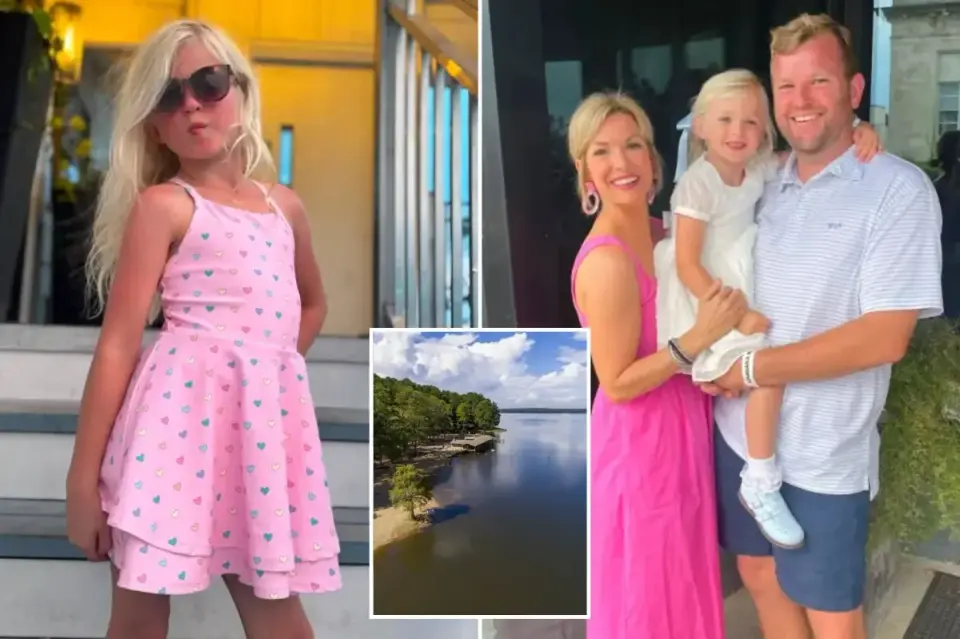
Lillian Smart, an 8-year-old from Ruston, Louisiana, died on Saturday after contracting Naegleria fowleri, a rare and typically fatal brain-eating amoeba. Health officials believe she acquired the infection while swimming in Lake Claiborne. The Louisiana Department of Health confirmed the case on August 19, and the family publicly identified Lillian as the patient. The infection, known as primary amebic meningoencephalitis, has a 97% fatality rate. The Ruston community organized a fundraiser to support the family during her hospitalization.
Key points
- Lillian Smart died on Saturday, one day after her eighth birthday, from a Naegleria fowleri infection.
- The Louisiana Department of Health confirmed the infection on August 19, linking it to a swim in Lake Claiborne.
- The family identified Lillian as the patient after the health department announced a case without naming the individual.
- Naegleria fowleri causes primary amebic meningoencephalitis, which is almost always fatal.
- The Ruston community held a fundraiser to support the Smart family during the crisis.
Background
Naegleria fowleri is a microscopic amoeba found in warm freshwater, such as lakes and rivers, but not in saltwater or properly chlorinated pools. Infection occurs when contaminated water enters the nose, allowing the amoeba to travel to the brain. The disease, primary amebic meningoencephalitis, is extremely rare, with only about 180 cases documented in the US since 1937. Louisiana has recorded three previous deaths from the amoeba since 2011. Experts note that climate change may be expanding the amoeba's range to areas where it was previously uncommon.
How outlets are covering it
The New York Post and The Guardian reported on the family's public statement on Facebook, highlighting the emotional impact of Lillian's death. KNOE focused on the community response, detailing a fundraiser in Ruston where local businesses donated proceeds to the Smart family. CIDRAP provided a broader public health context, noting that this is the fourth Naegleria fowleri case in Louisiana since 1937 and emphasizing that the infection is not contagious and cannot be contracted by swallowing water. All sources agree on the link between the infection and Lake Claiborne, but differ in their emphasis on the family's grief, community support, or epidemiological data.
Why it matters
The death of Lillian Smart underscores the severe and often fatal nature of Naegleria fowleri infections, which have a 97% fatality rate. The case highlights the importance of public health awareness regarding the risks of swimming in warm freshwater, especially as climate change may expand the amoeba's range. It also demonstrates the community's response to a local tragedy, with Ruston residents rallying to support the Smart family during a difficult time.
What to watch
The Louisiana Department of Health is likely to continue monitoring for additional cases and may issue further public health advisories. The family may seek support through the community fundraiser and other means. There is no immediate indication of a broader outbreak, but the case serves as a reminder of the risks associated with swimming in warm freshwater.
- Louisiana girl, 8, dies after contracting suspected brain-eating amoeba linked to lake swim New York Post
- Eight-year-old dies after contracting rare brain-eating amoeba in Louisiana The Guardian
- Ruston community rallies for 8-year-old fighting rare infection KNOE
- Louisiana confirms Naegleria fowleri brain infection in resident who swam in Lake Claiborne CIDRAP
- 8-year-old dies from rare brain-eating amoeba likely contracted while swimming in Louisiana lake CNN
Want the full story? Read the original reporting
Read on New York Post