Tag

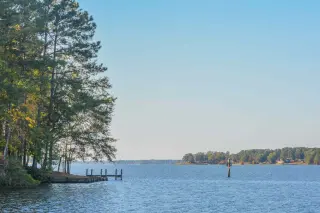
Lake Claiborne

All articles tagged with #lake claiborne

Lillian Smart, 8, dies from Naegleria fowleri infection linked to Lake Claiborne swim
health-and-wellness3 months ago

Lillian Smart, 8, dies from Naegleria fowleri infection linked to Lake Claiborne swim

Lillian Smart, an 8-year-old girl from Ruston, Louisiana, died on August 22, 2026, from a rare brain-eating amoeba infection. The Louisiana Department of Health confirmed the case on August 19, linking it to swimming in Lake Claiborne. The infection, known as primary amebic meningoencephalitis (PAM), is almost always fatal. While the amoeba is common in warm freshwater, it does not spread person-to-person and is not found in chlorinated pools. Local communities rallied with fundraisers, and health officials reiterated prevention tips such as using nose clips and avoiding head submersion in warm water.


Lillian Smart, 8, dies from Naegleria fowleri infection after Lake Claiborne swim
health3 months ago

Lillian Smart, 8, dies from Naegleria fowleri infection after Lake Claiborne swim

Lillian Smart, an 8-year-old girl from Ruston, Louisiana, died this weekend after contracting Naegleria fowleri, a rare and nearly always fatal brain-eating amoeba. Health officials believe she contracted the infection while swimming in Lake Claiborne. Her family confirmed her passing on social media, noting that brain injuries were too severe for recovery. Louisiana had not reported a confirmed case since 2013.

Louisiana 8-Year-Old Dies from Naegleria fowleri Infection Linked to Lake Swim
health3 months ago

Louisiana 8-Year-Old Dies from Naegleria fowleri Infection Linked to Lake Swim

An 8-year-old girl from Ruston, Louisiana, died after contracting Naegleria fowleri, a rare brain-eating amoeba, likely during a swim in Lake Claiborne. The infection, known as primary amebic meningoencephalitis, is almost always fatal and affects the nose and brain. Louisiana has recorded three such cases since 2011, with most occurring in summer months. Health officials advise precautions in warm freshwater, including keeping heads out of the water and using nose clips.

Ruston girl Lillian Smart dies from rare amoeba infection after Lake Claiborne swim
health3 months ago

Ruston girl Lillian Smart dies from rare amoeba infection after Lake Claiborne swim

Lillian Smart, an eight-year-old girl from Ruston, Louisiana, died on August 22, 2026, one day after her birthday, following an infection with Naegleria fowleri. Health officials suspect she contracted the rare, brain-eating amoeba while swimming in Lake Claiborne. The Louisiana Department of Health confirmed the case on August 19, noting that such infections are extremely rare but nearly always fatal. The local community rallied around the Smart family with fundraisers and donations during her hospitalization.

Ruston girl Lillian Smart dies from rare amoeba infection after Lake Claiborne swim
health3 months ago

Ruston girl Lillian Smart dies from rare amoeba infection after Lake Claiborne swim

Lillian Smart, an 8-year-old from Ruston, Louisiana, died on Saturday after contracting Naegleria fowleri, a rare and typically fatal brain-eating amoeba. Health officials believe she acquired the infection while swimming in Lake Claiborne. The Louisiana Department of Health confirmed the case on August 19, and the family publicly identified Lillian as the patient. The infection, known as primary amebic meningoencephalitis, has a 97% fatality rate. The Ruston community organized a fundraiser to support the family during her hospitalization.

Lillian Smart, 8, dies from Naegleria fowleri infection linked to Lake Claiborne swim
health3 months ago

Lillian Smart, 8, dies from Naegleria fowleri infection linked to Lake Claiborne swim

Lillian Smart, an 8-year-old girl from Ruston, Louisiana, died on August 22, 2026, after contracting Naegleria fowleri, a rare brain-eating amoeba. Health officials believe she acquired the infection while swimming in Lake Claiborne. The Louisiana Department of Health confirmed the case on August 19, noting that the infection is extremely rare but nearly always fatal. Smart had been hospitalized since August 15 with severe brain swelling. The community rallied around the family with a birthday fundraiser before her death. This is the fourth confirmed Naegleria fowleri case in Louisiana since 1937.

Eight-year-old Louisiana girl dies from rare brain-eating amoeba after lake swim
health3 months ago

Eight-year-old Louisiana girl dies from rare brain-eating amoeba after lake swim

Lillian Smart, an 8-year-old girl from Louisiana, died on Saturday after contracting Naegleria fowleri, a rare and often fatal brain-eating amoeba, likely while swimming in Lake Claiborne. Her family stated that her brain injuries were too severe for recovery. The Louisiana Department of Health confirmed the infection but did not publicly name the patient. This is the fourth recorded death from the amoeba in the state since 2011. The infection, known as primary amoebic meningoencephalitis, has a 97% fatality rate and is not transmitted person-to-person.

Louisiana girl, 8, dies from rare amoeba infection after Lake Claiborne swim
health3 months ago

Louisiana girl, 8, dies from rare amoeba infection after Lake Claiborne swim

Lillian Smart, an eight-year-old from Ruston, Louisiana, died on August 16 after contracting Naegleria fowleri, a rare and typically fatal brain-eating amoeba, while swimming in Lake Claiborne. The Louisiana Department of Health confirmed the infection on August 19, noting that the exposure likely occurred in the lake. Smart was hospitalized on August 15 and died the following day, one day after her birthday. The infection, known as primary amebic meningoencephalitis (PAM), is extremely rare, with only about 180 cases recorded in the US since 1937, and is almost always fatal. The family announced her death via a public Facebook post, expressing their grief. Local businesses in Ruston donated a portion of sales to support the family. Experts warn that the amoeba thrives in warm freshwater and is not transmitted person-to-person or through swallowing water, but can enter the brain via the nose. Climate change is believed to be expanding the amoeba's range to parts of the US where it was previously uncommon.

Louisiana Resident Hospitalized After Lake Swim for Rare Brain-Eating Amoeba
health3 months ago

Louisiana Resident Hospitalized After Lake Swim for Rare Brain-Eating Amoeba

A Louisiana resident is hospitalized after contracting primary amebic meningoencephalitis (PAM), a rare brain infection caused by the brain-eating amoeba Naegleria fowleri, from swimming in Lake Claiborne. PAM has a about a 97% fatality rate with only four U.S. survivors since 1937. Health officials warn that warm freshwater lakes and inadequately chlorinated pools can harbor the amoeba, and prevention focuses on nose protection when in such waters; there is currently no reliable method to reduce amoebas in water.

Louisiana Confirms Rare Brain-Eating Amoeba Case Linked to Lake Claiborne
health3 months ago

Louisiana Confirms Rare Brain-Eating Amoeba Case Linked to Lake Claiborne

The Louisiana Department of Health confirmed a new case of Naegleria fowleri, a rare and often fatal brain-eating amoeba, in a state resident. The infection is linked to swimming in Lake Claiborne in Claiborne Parish. While the disease is extremely rare, it carries a high mortality rate, with symptoms progressing from headache to coma within days.

Louisiana child dies after contracting rare brain-eating amoeba in Lake Claiborne
health3 months ago

Louisiana child dies after contracting rare brain-eating amoeba in Lake Claiborne

A seven-year-old girl from Ruston, Louisiana, has died after contracting Naegleria fowleri, a rare and often fatal amoeba, while swimming in Lake Claiborne. The infection, known as primary amoebic meningoencephalitis (PAM), enters the body through the nose and attacks the brain. While the disease is extremely rare, with fewer than 10 cases reported annually in the U.S., it carries a high mortality rate. Health officials are urging swimmers to use nose clips and avoid submerging their heads in warm freshwater, particularly during periods of extreme heat.