
Louisiana sees deadly Vibrio spike as warming waters push infections north
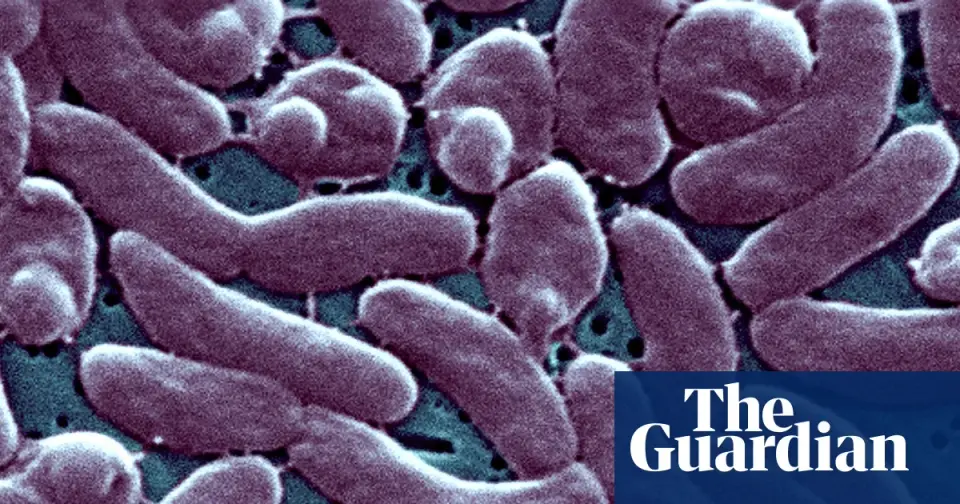
Louisiana health officials issued a warning after nine confirmed Vibrio vulnificus infections this year, resulting in five deaths. This exceeds the state's 10-year average of seven cases and one death. All patients were hospitalized, and the infections are linked to wounds exposed to warm coastal waters. While rare, the bacteria has a high fatality rate, particularly for those with underlying health conditions.
Key points
- Louisiana confirmed nine Vibrio vulnificus cases in 2026, with five fatalities, compared to a 10-year average of seven cases and one death.
- All nine cases involved individuals with open wounds exposed to seawater or brackish water; all patients had underlying health conditions.
- The CDC notes that up to 20% of Vibrio vulnificus infections are fatal, causing rapid tissue decay and septic shock if untreated.
- High-risk groups include people with liver disease, diabetes, HIV, cancer, or those undergoing immune-suppressing treatments.
- Scientists link the northward spread of the bacteria to rising ocean temperatures, with cases shifting approximately 30 miles north each year.
Background
This surge follows a similar spike in 2025, when Louisiana recorded at least 17 cases. Earlier in 2026, Florida reported 14 cases and two deaths, while other Gulf states also logged infections. The CDC estimates roughly 80,000 vibriosis cases annually in the US, though severe Vibrio vulnificus infections remain rare.
How outlets are covering it
The Guardian and NBC News both highlight the sharp increase in fatalities compared to historical averages, emphasizing the lethality of the bacteria. NBC News specifically notes that all 2026 Louisiana cases involved patients with underlying conditions, a detail also supported by the Louisiana Department of Health. Axios confirms the official warning but provides less detail on the clinical progression. All sources agree that warming waters are expanding the geographic range of the bacteria, with the Guardian citing a 2023 study on northward migration.
Why it matters
The rising fatality rate and geographic expansion of Vibrio vulnificus pose a significant public health risk for coastal communities. As ocean temperatures rise, the bacteria may reach new population centers, increasing the likelihood of severe infections among vulnerable populations. Immediate medical attention for wounds exposed to saltwater is critical to prevent rapid tissue decay and death.
What to watch
Health officials will continue to monitor infection rates through the end of the summer season. The CDC and state health departments are expected to maintain public advisories regarding wound care and raw shellfish consumption. Researchers will continue to track the northward spread of the bacteria in relation to climate change.
- Louisiana warns beachgoers amid surge in flesh-eating bacteria infections The Guardian
- Louisiana health officials warn of vibrio case rise axios.com
- Outbreak of Vibrio Vulnificus, a Flesh-Eating Bacteria, Kills 5 in Louisiana The New York Times
- Louisiana warns against flesh-eating bacteria after five deaths nbcnews.com
- Florida reports another death from flesh-eating bacteria Vibrio vulnificus WFLA
Want the full story? Read the original reporting
Read on The Guardian