
Louisiana Warns of Tap Water Amoeba Threat After Fatal Brain Infection
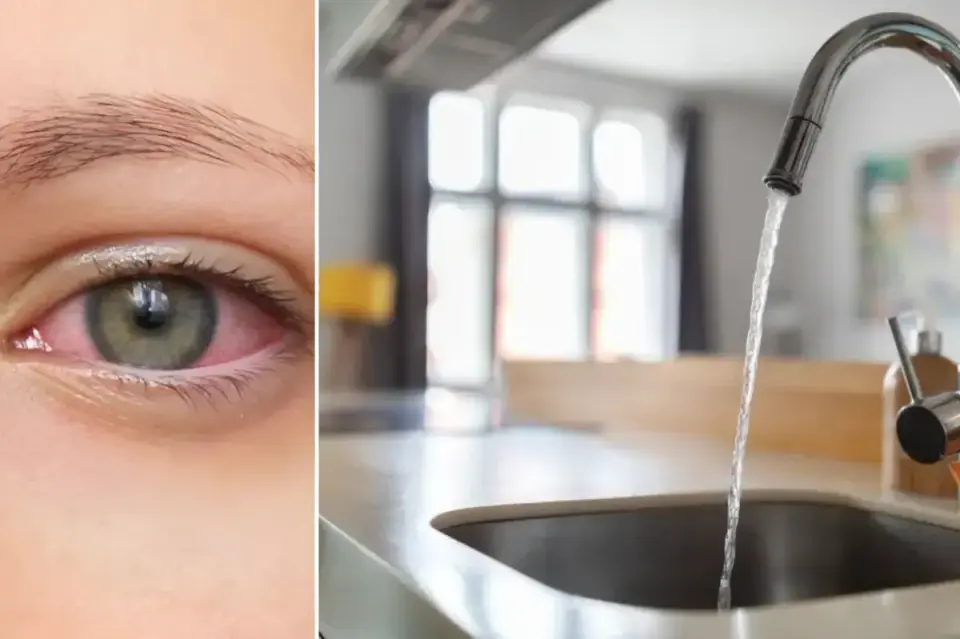
Louisiana health officials issued an urgent warning on October 29, 2026, after identifying ten Acanthamoeba cases since 2024. The microscopic organism, found in tap water, soil, and dust, has caused permanent blindness in five residents and one death. State epidemiologist Theresa Sokol emphasized that while infections are rare, they can be devastating. Eight cases involved eye infections linked to contact lens use, while two severe cases affected the sinuses and brain in individuals with weakened immune systems who used tap water for nasal irrigation. Officials stressed that drinking tap water is not a risk, but using it for nasal rinsing or cleaning lenses is dangerous. Symptoms of eye infection include pain, redness, and blurred vision, while brain infections can cause seizures and confusion. Treatment with antiseptic eye drops is effective only if started early, as delayed treatment can lead to fatal complications like granulomatous amebic encephalitis.
Key points
- Louisiana reported 10 Acanthamoeba cases since 2024, resulting in 5 permanent blindness cases and 1 death.
- Eight cases involved Acanthamoeba keratitis, an eye infection affecting the cornea, with 7 patients wearing contact lenses.
- Two severe cases involved sinus and brain infections in immunocompromised individuals who used tap water for nasal irrigation.
- State epidemiologist Theresa Sokol warned that while rare, these infections can have devastating consequences.
- Officials advised using distilled or boiled water for nasal rinsing and proper hygiene for contact lenses.
- Drinking tap water is not considered a risk for Acanthamoeba infection.
Background
This alert follows a broader trend of amoeba-related health concerns in the US. In September 2026, North Carolina officials linked a fatal Naegleria fowleri infection to a community center water feature in Durham, highlighting the risks of contaminated water sources. While Naegleria fowleri and Acanthamoeba are distinct organisms, both underscore the importance of water hygiene and public health vigilance. The Louisiana case specifically focuses on tap water usage in medical devices and contact lens care, a different vector than the recreational water exposure seen in the North Carolina incident.
Why it matters
The warning highlights a critical public health risk for Louisiana residents, particularly those using contact lenses or nasal irrigation devices. Acanthamoeba infections can lead to permanent blindness or fatal brain disease, especially in immunocompromised individuals. The alert emphasizes the importance of using safe water practices, such as distilled or boiled water for nasal rinsing, and proper hygiene for contact lenses. Early detection and treatment are crucial, as delayed treatment can lead to severe complications. The warning also underscores the need for public awareness of symptoms, such as eye pain, blurred vision, and neurological issues, to ensure timely medical intervention.
What to watch
Louisiana health officials will likely continue monitoring Acanthamoeba cases and may issue further guidance on water safety. Residents are advised to follow the recommended hygiene practices for contact lenses and nasal irrigation. Public health campaigns may increase to educate the public on the risks of using tap water for medical devices. Additionally, officials may collaborate with the CDC to track and prevent further cases, ensuring that early detection and treatment protocols are widely understood and implemented.
Want the full story? Read the original reporting
Read on New York Post