
9th Circuit Rejects Second Bid to Block 20,000 California Ballots Ahead of Midterms
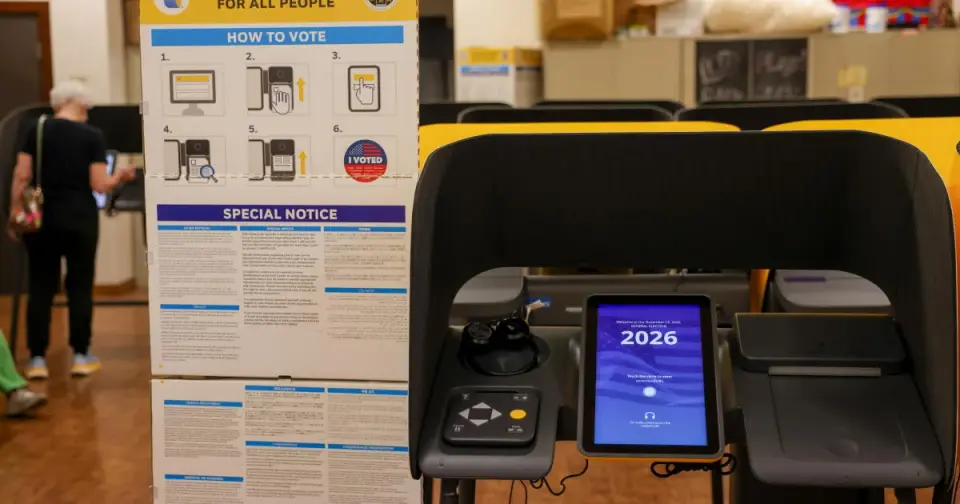
The U.S. 9th Circuit Court of Appeals denied the Trump administration’s second attempt to halt the counting of 20,000 mail-in ballots in California, ruling that federal authorities cannot override state election procedures during an active election. The decision, issued four days before the November 3 midterms, allows California to proceed with tabulating votes despite ongoing disputes over the reliability of federal noncitizen lists.
Key points
- The 9th Circuit ruled 2-1 that the Constitution grants states and Congress, not the federal executive, the primary authority to manage election procedures, rejecting the administration’s request to set aside ballots from alleged noncitizens.
- The court emphasized that federal law prohibits sweeping changes to voter lists within 90 days of an election, citing concerns about the reliability of the administration’s data, which has been criticized for including U.S. citizens and unregistered individuals.
- Federal prosecutors have issued criminal grand jury subpoenas to election officials in Los Angeles County and other districts, demanding internal records and testimony regarding their handling of the federal demands, a move described by unions as an attempt to intimidate local workers.
- In a separate D.C. case, Judge James E. Boasberg ordered the Justice Department to share its list of flagged voters with the Coalition for Humane Immigrant Rights to verify membership, a move the administration is challenging.
- California Attorney General Rob Bonta and Governor Gavin Newsom condemned the federal actions as unconstitutional interference, while the administration’s list of 20,000 voters represents less than 0.1% of the state’s 23 million registered voters.
Background
This dispute follows a series of rejections by lower courts and the 9th Circuit earlier in October, where judges questioned the jurisdiction and constitutionality of the federal bid. Previous coverage noted that while the administration charged 28 individuals with voter fraud, many had not actually voted, and Nevada authorities previously found zero correct identifications in a similar federal list. The current ruling is the second time the 9th Circuit has denied the request this week, reinforcing the district court’s skepticism regarding the administration’s claims of widespread fraud.
How outlets are covering it
The Los Angeles Times highlights the constitutional arguments and the broader legal battle, noting that the majority of the panel, including Trump appointee Mark Bennett, sided with state authority. In contrast, dissenting Judge Patrick Bumatay argued the request was a 'modest remedy' to verify eligibility. UA.NEWS emphasizes the risk of disenfrfranchising eligible voters and notes that the administration’s list has been deemed inaccurate by other states like Nevada. While the LA Times focuses on the legal and procedural hurdles, UA.NEWS underscores the practical errors in the federal data, such as the inclusion of citizens and unregistered individuals, which California officials argue proves the list’s unreliability.
Why it matters
The ruling prevents a potential disruption of the November 3 midterms in California, a key battleground state, by upholding state control over election administration. It also sets a precedent regarding the limits of federal power to intervene in state-run elections during the 90-day pre-election period, potentially influencing similar challenges in other states. The ongoing subpoenas and legal battles highlight the escalating tension between federal and state authorities over voting integrity and the definition of voter eligibility.
What to watch
The Trump administration has not confirmed whether it will appeal to the U.S. Supreme Court. Meanwhile, federal prosecutors are expected to pursue testimony from election officials in response to the grand jury subpoenas. In D.C., the Justice Department is likely to challenge Judge Boasberg’s order to release the list of flagged voters to outside groups. California officials plan to continue counting ballots and defending their procedures in court, while unions representing election workers may seek further legal protections against federal intimidation.
- 9th Circuit again denies Trump administration request to block 20,000 California ballots Los Angeles Times
- Appeals court rejects Justice Department request for California to set aside disputed ballots Cherokee Tribune
- US appeals court rejects Trump administration’s request over 20,000 ballots — Al Jazeera UA.NEWS
Want the full story? Read the original reporting
Read on Los Angeles Times