
NC teen Moises Ponce Mendoza dies from rare amoeba infection
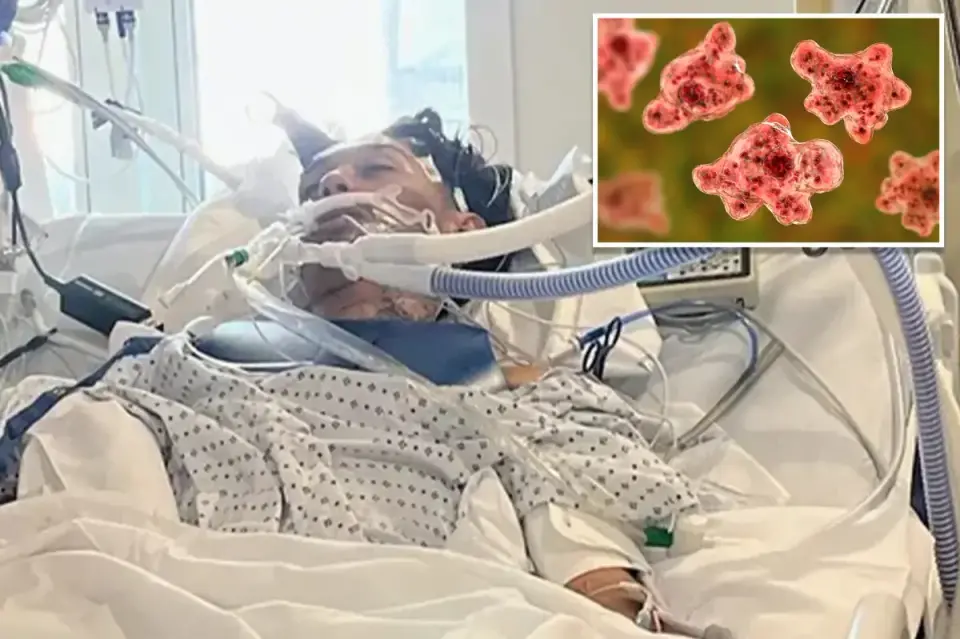
Moises Ponce Mendoza, a North Carolina teenager, died on Aug. 31, 2026, after contracting Naegleria fowleri, a rare and often fatal brain-eating amoeba. The infection, known as primary amebic meningoencephalitis, typically progresses to coma and death within five days. Authorities confirmed the case on Aug. 27, noting the teen was critically ill. His mother reported he was initially sent home from a Burlington hospital with severe headaches before his condition rapidly worsened. He was later rushed to the University of North Carolina hospital, where the infection was diagnosed. The North Carolina Department of Health and Human Services is investigating the source, as the amoeba thrives in warm freshwater. This death follows the Aug. 23 death of an 8-year-old Louisiana girl from the same pathogen. Fewer than 10 such cases occur in the US annually, with a mortality rate exceeding 97%.
Key points
- Moises Ponce Mendoza died on Aug. 31, 2026, from Naegleria fowleri infection.
- The teen was initially treated at a Burlington hospital and sent home with severe headaches.
- He was later admitted to the University of North Carolina hospital, where the infection was confirmed.
- The North Carolina Department of Health and Human Services is investigating the exposure source.
- The infection is typically fatal within five days, with over 97% mortality rate.
- This case follows the death of an 8-year-old Louisiana girl in Aug. 2026.
Background
Naegleria fowleri is a single-celled organism found in warm freshwater, such as lakes and rivers, which can cause primary amebic meningoencephalitis (PAM) when water enters the nose. The infection destroys brain tissue and is almost always fatal. In the US, fewer than 10 cases are reported annually, usually during hot summer months. Previous cases in North Carolina include a 2016 death at the U.S. National Whitewater Center in Charlotte and a 2019 case in Cumberland County. Scientists warn that climate change may expand the amoeba's range into new areas, including the Midwest.
How outlets are covering it
The New York Post and The Guardian focused on the tragic outcome and the rapid progression of the disease, citing the mother's account of the initial misdiagnosis at a local hospital. WRAL emphasized the public health uncertainty, noting that authorities had not identified the specific water source and that current testing methods are complex and expensive. The Charlotte Observer highlighted the rarity of the disease and the state's advisory for swimmers to avoid nose exposure in warm freshwater. All outlets agreed on the fatality and the link to freshwater exposure, but differed in emphasis: some focused on the individual tragedy, while others stressed the lack of preventive testing and public awareness.
Why it matters
This case underscores the lethal risk of Naegleria fowleri, a pathogen that is nearly always fatal once symptoms appear. It highlights the challenges in detecting the amoeba in natural water sources and the critical importance of public education on water safety. With climate change potentially expanding the amoeba's range, increased awareness and preventive measures, such as using nose clips and avoiding diving in warm freshwater, are essential to reduce the risk of infection.
What to watch
The North Carolina Department of Health and Human Services will continue its investigation into the source of the infection. Public health officials are expected to reinforce safety guidelines for swimmers, particularly during hot weather. Researchers are working on developing faster and cheaper testing methods for Naegleria fowleri to improve surveillance and early detection. Families and advocacy groups may push for greater public awareness and funding for research into treatments and prevention.
- North Carolina teen dies from rare brain-eating amoeba typically linked to freshwater swimming New York Post
- North Carolina teenager dies from rare infection caused by brain-eating amoeba The Guardian
- NC teen has rare brain infection likely caused by swimming. Where did exposure happen? Are you safe? WRAL
- Teen's rare brain infection prompts NC water safety warning ABC11 News
- NC teenager critically ill with brain-eating amoeba. What we know Charlotte Observer
Want the full story? Read the original reporting
Read on New York Post