
New York declares first measles disaster emergency as rural cases surge
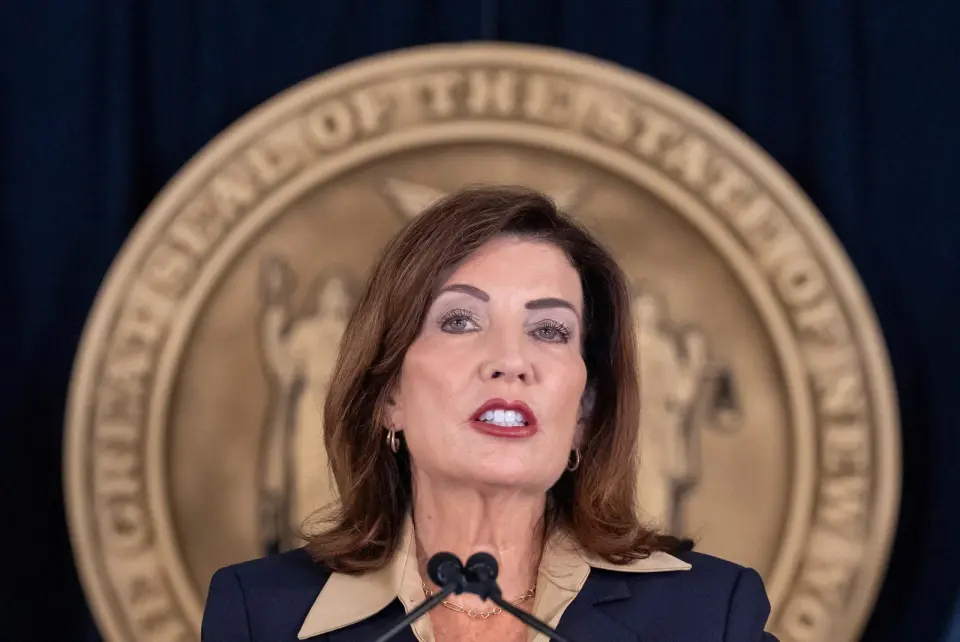
New York Governor Kathy Hochul declared a state disaster emergency on October 6 to address a sharp rise in measles cases, primarily in rural areas. The move expands who can administer vaccines and order tests, as the state reports 108 cases this year. Neighboring Pennsylvania faces its worst outbreak in decades with over 1,000 cases and five deaths.
Key points
- New York has recorded 108 measles cases in 2026, with 92 occurring since mid-July in 18 rural counties.
- The emergency order allows pharmacists to vaccinate children as young as two and expands who can administer MMR shots, including EMTs and midwives.
- Pennsylvania has confirmed over 1,000 cases, 198 hospitalizations, and five deaths, marking its largest outbreak in 30 years.
- The US is experiencing its worst measles year since 1991, with nearly 4,000 cases reported nationwide.
- Vaccination rates have declined, with 92.4% of kindergartners vaccinated in 2025-26, down from 95.2% in 2019-20.
Background
This declaration follows a trend of growing measles outbreaks in the US over the last two years. In 2025, Texas reported 762 cases, and South Carolina recently ended an outbreak of 997 cases. New York had only 48 cases in 2025 and one in 2023. The current surge is linked to declining vaccination rates and misinformation, particularly in rural and under-immunized communities, including areas with sizable Amish populations.
How outlets are covering it
AOL and ABC News emphasize the emergency order's expansion of vaccine access and testing capabilities, highlighting the state's response to rural outbreaks. Fox News focuses on the executive order's details, such as pharmacists vaccinating young children and the 72-hour reporting requirement for MMR vaccinations. The Guardian highlights the political context, noting HHS Secretary Robert F. Kennedy Jr.'s anti-vaccine stance and Pennsylvania Governor Josh Shapiro's criticism of Kennedy. USA Today provides a national overview, noting 3,887 cases nationwide and the role of herd immunity in preventing outbreaks.
Why it matters
The emergency declaration signals a significant escalation in public health response, aiming to accelerate vaccine distribution and case identification in vulnerable rural areas. It underscores the urgency of addressing declining vaccination rates and the potential for further outbreaks in communities with low immunity. The move also highlights the broader national trend of rising measles cases, driven by misinformation and reduced herd immunity.
What to watch
The emergency order is in effect until November 4, 2026. Health officials will continue to track and contain the outbreak, with a focus on vaccinating unvaccinated individuals in rural areas. The CDC and state health departments will monitor case numbers and vaccination rates, while public health campaigns will emphasize the importance of MMR vaccination. The political debate over vaccine policy and the role of HHS Secretary Kennedy may continue to influence public health responses.
- New York declares state disaster emergency over measles. Here's what that means AOL.com
- New York declares measles disaster emergency as cases surge in Pennsylvania Fox News
- NY Gov. Hochul declares state disaster emergency over ongoing measles outbreak ABC7 Eyewitness News
- New York governor declares state of emergency after spike in measles cases The Guardian
- This disease has now been declared an emergency. Maps show where it's spreading USA Today
Want the full story? Read the original reporting
Read on AOL.com