
US Loses Measles Elimination Status as Nearly 6,000 Cases and 13 Deaths Reported in 2026
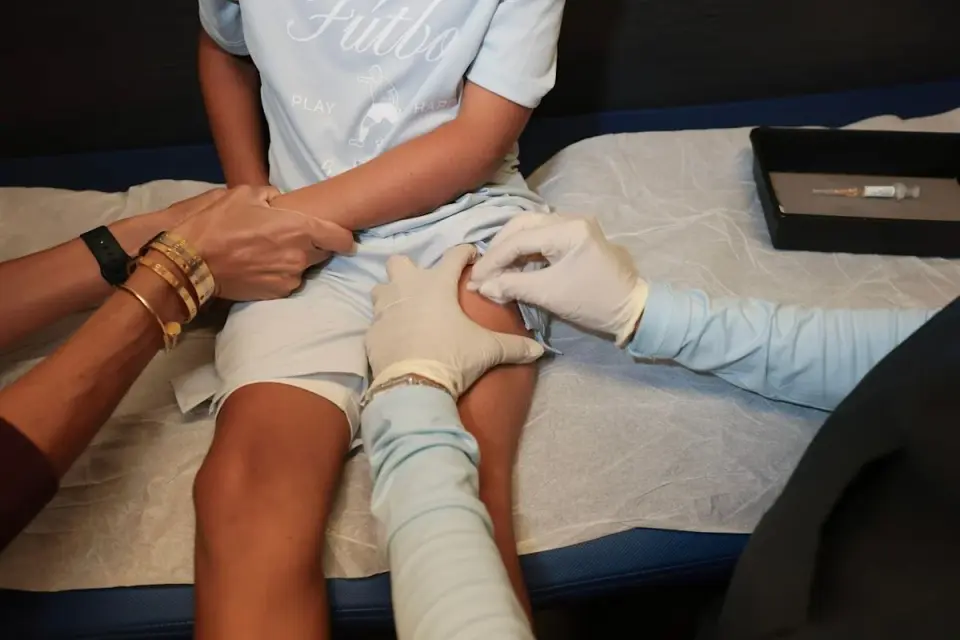
The United States has lost its measles elimination status after nearly 6,000 cases and 13 deaths were confirmed in 2026, the highest levels in over three decades. Health experts warn that individuals vaccinated before 1989, when the two-dose MMR regimen was introduced, may not be fully protected and should verify their vaccination records. While two doses of the current vaccine are 97% effective, those who received only one dose before 1989 or the ineffective 1963-1967 formulation may require a booster. The CDC maintains that adults with two documented doses do not need a booster, but urges those with uncertain records to consult physicians, especially in outbreak areas.
Key points
- The US lost its measles elimination status last week, ending a 30-year streak of no continuous transmission.
- Nearly 6,000 measles cases have been confirmed in the US in 2026, the highest in over three decades.
- 13 measles-related deaths have been reported in Wisconsin, New York, Virginia, and Pennsylvania, including six children.
- The two-dose MMR vaccine regimen was introduced in 1989; those vaccinated before this date may have only one dose or an ineffective early formulation.
- One dose of the MMR vaccine is 93% effective, while two doses are 97% effective, according to the CDC.
- People born before 1957 are considered immune due to natural exposure, but those vaccinated between 1963-1967 may have received an ineffective vaccine.
Background
The US had maintained measles elimination status for 30 years, indicating no continuous transmission for at least a year. In 2025, an estimated 72,000 people died from measles globally, mostly unvaccinated children under five. The CDC updates its measles case data weekly. Prior to the 1963 vaccine, measles epidemics occurred every two to three years, causing an estimated 2.6 million deaths annually. Measles is highly contagious, with one infected person potentially generating up to 18 secondary infections.
How outlets are covering it
Yahoo News and The Independent emphasize the urgency of checking vaccination records for those vaccinated before 1989, citing Dr. Scott Roberts and Dr. Christopher Ohl. ABC News highlights that the CDC does not recommend a booster for those with one pre-1989 dose but suggests consulting a doctor, while Dr. Paul Offit stresses the risk for adults with no immunity. InForum focuses on North Dakota’s 88% kindergarten vaccination rate (down from 95% pre-pandemic) and 74 cases over two years, with Kylie Hall arguing that trust in vaccines must be rebuilt through community leaders, not just policy. All sources agree on the loss of elimination status and the 1989 two-dose threshold, but differ on the emphasis: medical advice vs. public trust and regional case rates.
Why it matters
The loss of measles elimination status signals a breakdown in herd immunity, putting vulnerable populations at risk. With 13 deaths and nearly 6,000 cases in 2026, the resurgence underscores the importance of vaccination records and booster eligibility. Public health officials warn that uncertainty about vaccination status can lead to outbreaks, especially in communities with lower vaccination rates. The CDC’s guidance remains unchanged for those with two doses, but the crisis highlights the need for individuals to verify their immunity to prevent further spread.
What to watch
The CDC will continue to update its weekly measles case data and outbreak response resources. Health experts expect ongoing public health campaigns to encourage individuals with uncertain vaccination records to consult physicians. North Dakota and other states with high case rates may implement community-based trust-building initiatives. The CDC may issue further guidance on booster eligibility for specific age groups, though current recommendations remain unchanged for those with two documented doses. Monitoring of outbreak settings and international travel will continue to inform public health measures.
- Measles is rapidly spreading in US and if you were vaccinated before certain point you might not be fully protected, doctors warn Yahoo
- Opinion | We Are Watching Pandemic Backlash on Tape Delay The New York Times
- Plain Talk: 'It's actually an embarrassment,' NDSU expert says of the return of measles InForum
- Amid US loss of measles elimination status, do you need a vaccine booster? ABC News - Breaking News, Latest News and Videos
- Measles is rapidly spreading in US and doctors have new warning for the vaccinated The Independent
Want the full story? Read the original reporting
Read on Yahoo