
U.S. Measles Cases Hit Record 5,412 as Elimination Status Revoked
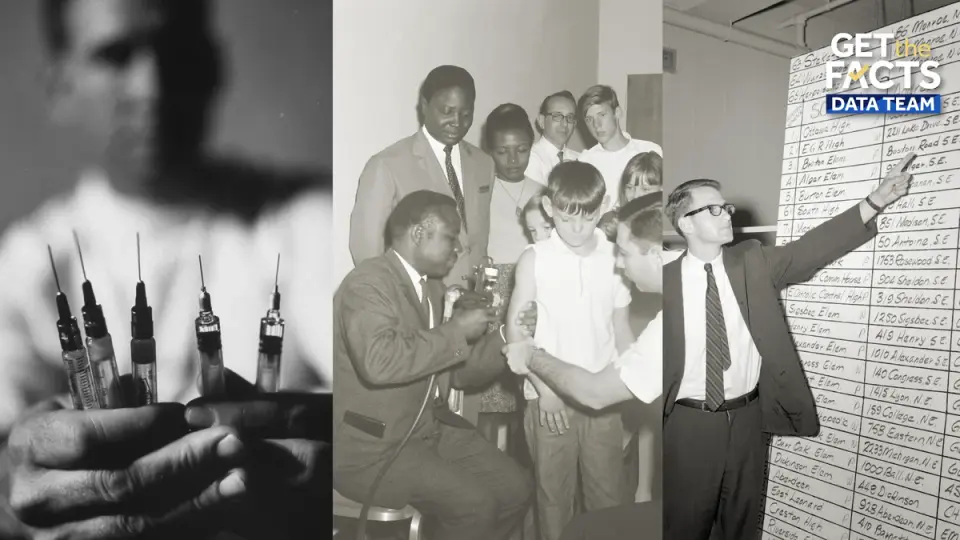
The United States has effectively lost its measles elimination status after 2026 cases surged to 5,412, the highest level since 1991. The Pan American Health Organization is expected to formally revoke the status, marking a reversal of progress achieved in 2000. Cases have spread across 46 states and Washington, D.C., with Pennsylvania reporting over 1,500 infections and seven deaths. Declining vaccination rates and record nonmedical exemptions have weakened herd immunity, while federal public health messaging remains inconsistent. Experts warn that infants are particularly vulnerable, prompting calls for expanded early vaccination guidelines.
Key points
- 2026 U.S. measles cases reached 5,412, more than double the 2025 total and the highest since 1991.
- The Pan American Health Organization is expected to formally revoke U.S. measles elimination status, a designation held since 2000.
- Pennsylvania is the hardest-hit state with over 1,500 cases and seven deaths; Lancaster County accounts for 528 infections.
- Kindergarten MMR vaccination rates dropped to 92.4%, with nonmedical exemptions reaching a record 4%.
- Ten measles-related deaths have been reported in the U.S. this year, including infants in New York and Wisconsin.
- Federal guidance on early 'zero dose' vaccinations for infants remains inconsistent, with some states adopting broader recommendations.
Background
The U.S. achieved measles elimination in 2000 after decades of vaccination efforts, including the 1993 Vaccines for Children program. The 2016 Pan American Health Organization declared the entire Americas free of endemic measles. Recent declines in vaccination rates and political interference with public health messaging have reversed this progress, with 2025 already signaling a resurgence. Canada lost its elimination status in 2025, preceding the U.S. review.
How outlets are covering it
KMBC and The New York Times emphasize the public health milestone reversal and the decades-long effort to achieve elimination, noting the emotional impact on experts. MS NOW highlights the political dimension, attributing the surge to Health Secretary Robert F. Kennedy Jr.'s anti-vaccine stance and federal funding cuts. The Washington Post focuses on the immediate risk to infants, arguing that outdated federal guidelines fail to protect children during domestic outbreaks, and cites inconsistent state-level responses to early vaccination recommendations.
Why it matters
The loss of elimination status signals a return to endemic measles transmission, increasing the risk of severe complications and deaths, particularly among unvaccinated infants. It undermines global public health efforts and highlights the consequences of declining vaccination rates and inconsistent federal guidance. The situation demands urgent action to restore herd immunity and update vaccination protocols to protect vulnerable populations.
What to watch
The Pan American Health Organization is expected to formally announce the revocation of U.S. measles elimination status. Public health officials are urging broader adoption of early 'zero dose' MMR vaccinations for infants aged 6-11 months. States may continue to diverge in their outbreak response guidelines, while federal messaging on vaccination remains a point of contention. Monitoring case numbers and vaccination rates will be critical in the coming months.
- What to know about measles outbreaks as the US faces losing its elimination status KMBC
- What It Took for America to Wipe Out Measles The New York Times
- As the U.S. reportedly loses its measles elimination status, RFK Jr. has some explaining to do MS NOW
- Opinion | Measles is here. That demands a ‘zero dose.’ The Washington Post
- US has lost measles elimination status, global health authorities say NPR
Want the full story? Read the original reporting
Read on KMBC