
Two Georgia Families Face Devastating West Nile Virus Outcomes as Mosquito Season Wanes
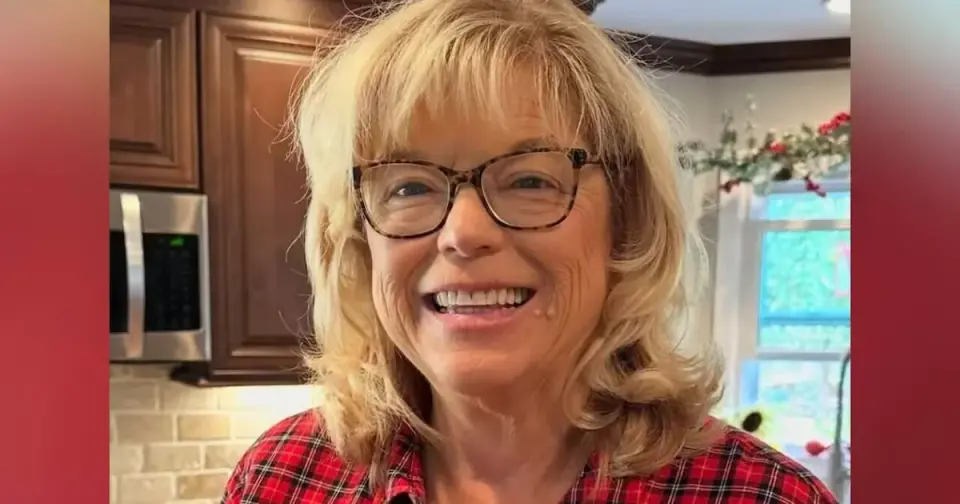
A single mosquito bite has severely impacted two families in Georgia, resulting in critical hospitalizations for a 62-year-old woman in Marietta and a 76-year-old man in Woodstock. Both victims developed rare neurological complications from the West Nile Virus, with the Marietta patient requiring a ventilator and the Woodstock patient suffering from severe weakness. While the Georgia Department of Public Health reports one death so far this year, officials warn that infections may continue through October. Local health districts note that limited resources prevent widespread mosquito spraying, urging residents to rely on personal precautions like repellent and removing standing water to prevent further cases.
Key points
- Patti McCoy, 62, of Marietta, is in the ICU at Piedmont Atlanta Hospital after a mosquito bite led to West Nile Virus attacking her central nervous system, a complication occurring in less than 1% of infections.
- McCoy, who has a history of kidney transplant and takes immunosuppressive medication, was hospitalized on Sept. 2 with stroke-like symptoms and has at times required a ventilator.
- A 76-year-old man in Cherokee County has been hospitalized for three weeks with similar neurological symptoms, including inability to stand, after a suspected bite while mowing his lawn in Woodstock.
- The Georgia Department of Public Health confirmed one death from West Nile Virus this year and expects additional infections as mosquito activity continues through October.
- North Georgia Health District and Cobb/Douglas Public Health officials state they lack resources for broad mosquito spraying, relying instead on surveillance and property assessments to identify breeding areas.
Background
West Nile virus transmission in the United States reached a 22-year high in 2024, with global mosquito-borne diseases causing over 700,000 deaths annually. Recent regional surges in California and South Carolina have prompted expanded control measures, while Delaware utilizes sentinel chickens for early detection. In Georgia, local health authorities emphasize that while surveillance helps track species, operational resources often limit direct intervention, placing the burden of prevention on individual protective measures.
Why it matters
This situation highlights the severe, life-altering consequences of West Nile Virus for vulnerable populations, particularly those with compromised immune systems or advanced age. It underscores the gap between public health surveillance and direct mosquito control resources in Georgia, forcing residents to rely on individual precautions to mitigate risks during the peak transmission season.
What to watch
Health officials expect more West Nile virus infections through October as mosquitoes remain active. Families are urging greater public awareness of prevention methods, while local health departments continue monitoring mosquito species and breeding patterns to guide population reduction efforts.
Want the full story? Read the original reporting
Read on WSB-TV