North Carolina officials confirmed two adult deaths from West Nile virus in central NC, bringing the state's 2026 total to 11 cases. Health experts urge residents to use repellents and avoid dusk-to-dawn outdoor activity, as no vaccine exists.
DuPage County, Illinois, confirmed its first West Nile virus death of 2026, bringing the county’s total cases to six. This follows similar fatal reports in Dallas County, Texas, and Shelby County, Illinois, where health officials warned that cooler weather does not eliminate transmission risks. While most infections are asymptomatic, severe neuroinvasive cases have emerged, including a rare paralysis case in California. Authorities are urging residents to maintain mosquito bite prevention measures, particularly for older adults and immunocompromised individuals, despite the end of peak mosquito season.
New Hampshire has recorded its first confirmed human case of West Nile Virus for 2026. The patient, an adult from Grafton, developed symptoms in late August but was not tested until recently. Health officials remind residents that most infections are mild, but severe cases can occur in older adults or those with underlying conditions. Prevention measures, including repellent use and eliminating standing water, remain critical as mosquito activity persists.
A single mosquito bite has severely impacted two families in Georgia, resulting in critical hospitalizations for a 62-year-old woman in Marietta and a 76-year-old man in Woodstock. Both victims developed rare neurological complications from the West Nile Virus, with the Marietta patient requiring a ventilator and the Woodstock patient suffering from severe weakness. While the Georgia Department of Public Health reports one death so far this year, officials warn that infections may continue through October. Local health districts note that limited resources prevent widespread mosquito spraying, urging residents to rely on personal precautions like repellent and removing standing water to prevent further cases.
North Dakota’s Department of Health and Human Services confirmed the state’s first West Nile virus-related death of 2026 on September 10. The victim was an individual over 60 residing in southwest North Dakota. As of September 9, the state has recorded 25 human cases across 14 counties, with 14 resulting in hospitalizations. While most infections are mild or asymptomatic, severe cases can lead to neurological symptoms and death, particularly among older adults and those with compromised immune systems. Officials urge continued mosquito bite prevention until the first hard frost, noting that no vaccine or specific treatment exists for the virus.
Mark Kasprzyk of Dearborn Heights survived a severe case of West Nile virus that initially mimicked a stroke, causing weeks of diagnostic confusion. His recovery highlights the potential for serious neurological complications in mosquito-borne illnesses, even as most infections remain mild. Local health officials continue to urge residents to use repellents and eliminate standing water to prevent further cases.
Two individuals in Albany, Georgia, have been hospitalized with West Nile virus, and a third case is suspected, according to Phoebe Putney Memorial Hospital. While severe complications are rare, medical experts urge high-risk groups to take precautions as mosquito activity remains high in the fall.
West Nile virus has been detected in mosquito samples from 12 New Jersey counties, triggering a statewide public health push. State health, environmental and agricultural officials are increasing mosquito-control efforts and advising residents to eliminate standing water, use larvicides where appropriate, and apply EPA-registered repellents to reduce bite risk as mosquito populations grow with warmer weather. Officials caution that older adults and people with certain health conditions are at higher risk for serious illness, and they warn about other mosquito-borne threats like Eastern equine encephalitis and Jamestown Canyon virus as the season progresses.
To prevent mosquito bites, experts recommend using citronella candles or plants, spraying your yard with insecticide if necessary, reducing standing water around your home, avoiding outdoor activities during peak mosquito hours at dawn and dusk, and using fans to deter mosquitoes. Installing bat boxes can also naturally reduce mosquito populations by attracting bats that feed on them.
West Nile Virus has been detected in mosquitoes in Macomb County for the first time this summer, prompting health officials to remind residents to take precautions against mosquito bites, although no human cases have been reported yet.
To keep mosquitoes out of your yard, eliminate all standing water, maintain gutters and pools, plant mosquito-repellent foliage, and encourage natural predators like birds and bats. When mosquitoes are already present, use fans, DEET or lemon eucalyptus oil, and set up traps, while avoiding ineffective methods like citronella candles. Community efforts and environmental management are also crucial for effective control.
This article offers various health tips including practicing Japanese walking for cardiovascular benefits, eating dark chocolate for fiber, doing Sunday chores to reduce stress, preventing mosquito bites, dancing for mental health, and other wellness advice like avoiding Q-tips and microwaving plastics, to help start a healthy week.
East Tennessee is experiencing an increase in cases of La Crosse encephalitis, a rare viral illness transmitted by infected mosquitoes, particularly affecting children. The disease often goes undiagnosed until severe symptoms occur, and there is currently no cure. Climate change is contributing to the spread of mosquito-borne diseases, as warming temperatures and increased humidity lengthen the mosquito season. Mosquito surveillance and management efforts are limited, but prevention measures such as draining standing water and using insect repellents are crucial in reducing the risk of infection.
Multnomah County officials warn that Portland's unseasonably warm spring has caused "floodwater" mosquitoes to develop at a rapid pace, making this one of the worst mosquito seasons to date. While these mosquitoes are primarily "nuisance mosquitoes" that don't spread viruses, residents are advised to exercise caution at sunrise or sunset when they are most active and to wear long sleeves, long pants, and personal repellents. The county is also using larvicides to treat mosquitoes in uninhabited areas and encourages individuals to regularly dump out man-made water containers in their backyards to disrupt the "container-breeding mosquito" life cycle.
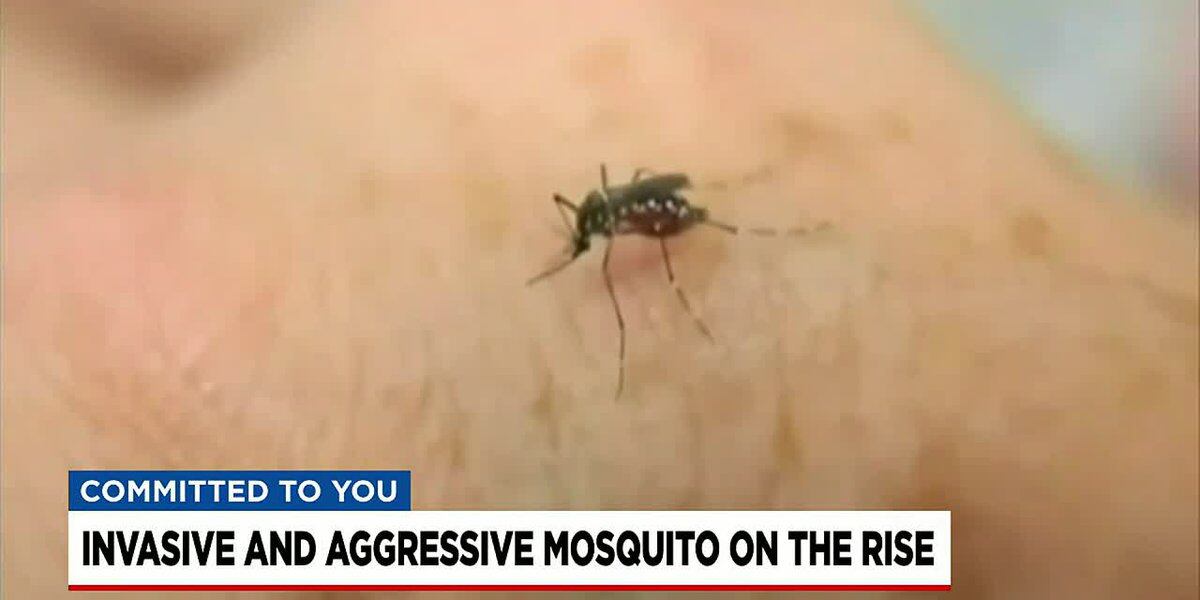
Experts are warning about the alarming spread of Asian tiger mosquitoes, an invasive and aggressive species found in South Carolina that can transmit severe diseases such as dengue fever, chikungunya, and Zika virus. Pest control companies are seeing a surge in calls about these mosquitoes, and their highly adaptable range is expanding, raising concerns about future disease outbreaks. The SC Department of Health and Environmental Control urges residents to reduce mosquitoes around their homes by eliminating standing water.