
US citizen Brian Morales García returns home after wrongful deportation to Mexico
Brian José Morales García, a 25-year-old US citizen born in Denver, was wrongly detained and deported to Mexico in April 2025 after a traffic stop in Texas. Despite presenting his Colorado birth certificate to border officials, he was transferred through multiple detention facilities and forced to sign deportation documents under duress. After nearly five months in Mexico, a federal lawsuit and new evidence led the Justice Department to allow his return to the US on August 30, 2026. His case highlights systemic failures in verifying citizenship claims and the trauma inflicted on US citizens caught in immigration enforcement.
Key points
- Morales García was stopped by Texas Department of Public Safety troopers near Fredericksburg on April 3, 2025, for an alleged window tint violation; no citation was issued, but he was detained by ICE.
- He repeatedly claimed US citizenship and showed his Colorado birth certificate to CBP officers, but was transferred to five detention facilities and threatened with prison time if he continued asserting his status.
- He signed documents agreeing to voluntary deportation to Mexico on April 7, 2025, after being held for four days; the Justice Department later claimed he admitted to being born in Mexico, a claim his attorneys dispute as coerced.
- His attorneys filed a federal lawsuit in May 2025, alleging constitutional violations; the government agreed to let him return to the US on August 30, 2026, after reviewing additional evidence including hospital records and family testimony.
- A 2021 GAO report found ICE arrested 674 potential US citizens and deported 70 between 2015 and 2020, with 66 deportations occurring during Trump’s first term; experts warn current enforcement lacks oversight and accountability.
Background
This case follows a pattern of US citizens being wrongly detained or deported by immigration authorities, a problem documented across multiple administrations. A 2021 Government Accountability Office report highlighted that ICE did not consistently track cases involving potential US citizens, making it difficult to determine the full scale of such errors. Recent expansions in immigration enforcement, including partnerships with state and local police, have raised concerns that more citizens may be swept into the system with fewer safeguards. Morales García’s case is part of a broader trend where individuals with ambiguous documentation or non-English accents face heightened scrutiny, even when they possess valid proof of citizenship.
How outlets are covering it
USA TODAY emphasizes the procedural failures and lack of accountability in the immigration system, noting that Morales García’s case is part of a larger pattern of US citizens being wrongly targeted. The outlet highlights the trauma and legal costs faced by those wrongfully deported and quotes experts warning that the current system has less oversight than in previous administrations. CounterPunch.org frames the incident as a result of racial profiling and a bounty-hunting culture within immigration enforcement, arguing that officers are incentivized to arrest individuals based on 'apparent ethnicity' rather than legal status. The outlet criticizes the Supreme Court for allowing such stops and notes that the burden of proof has been shifted to the detained individual. While both sources agree on the wrongful nature of the deportation, USA TODAY focuses on systemic oversight gaps, whereas CounterPunch emphasizes racial bias and financial incentives driving enforcement.
Why it matters
This case underscores the risks faced by US citizens in an increasingly aggressive immigration enforcement environment. It reveals how procedural safeguards, such as verifying citizenship claims, are often ignored or inconsistently applied, leading to wrongful detentions and deportations. The incident also highlights the emotional and legal toll on individuals and their families, as well as the broader implications for civil rights and the rule of law. As enforcement expands with fewer internal checks, the potential for similar errors increases, raising concerns about the protection of constitutional rights for all citizens.
What to watch
Morales García’s attorneys plan to seek damages in the ongoing federal lawsuit to hold government officials accountable and prevent similar cases. Morales García intends to return to work in the US, though he expressed fear that another traffic stop could lead to the same outcome. The case may prompt further scrutiny of ICE and CBP practices regarding the verification of citizenship claims and the use of state and local partnerships in immigration enforcement.
- Born here but deported. A Texas man's harrowing ordeal. USA Today
- U.S. Citizen Deported to Mexico Granted Permission to Return to the U.S. Democracy Now!
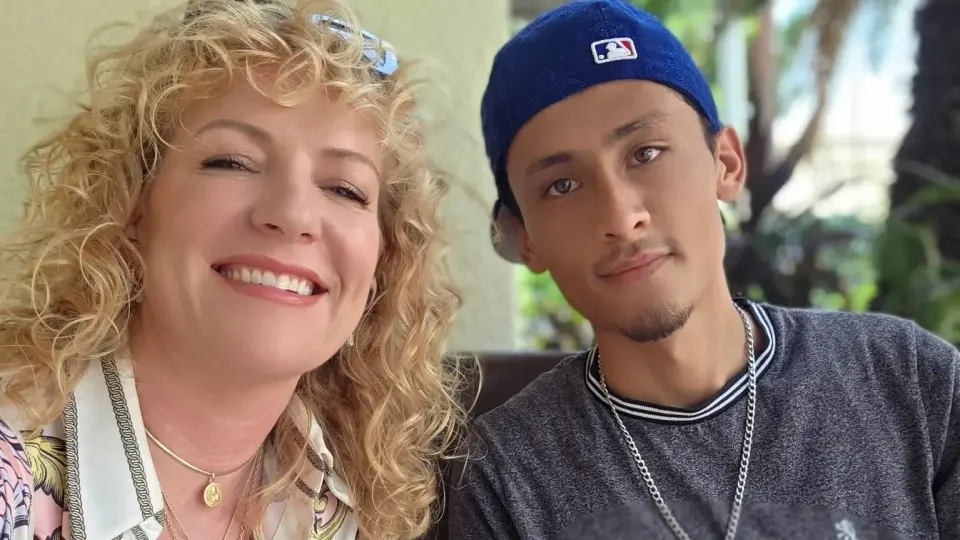
- Attorney Kate Lincoln-Goldfinch, left, with Brian José Morales García after his return to the United States on Aug. 30, 2026. The Lufkin Daily News
- US citizen deported to Mexico after Gillespie County traffic stop is back in Texas KVUE
- The Deportation of Brian Morales García, American Citizen CounterPunch.org
Want the full story? Read the original reporting
Read on USA Today