
ICJ's historic Myanmar genocide verdict faces enforcement hurdles and geopolitical friction
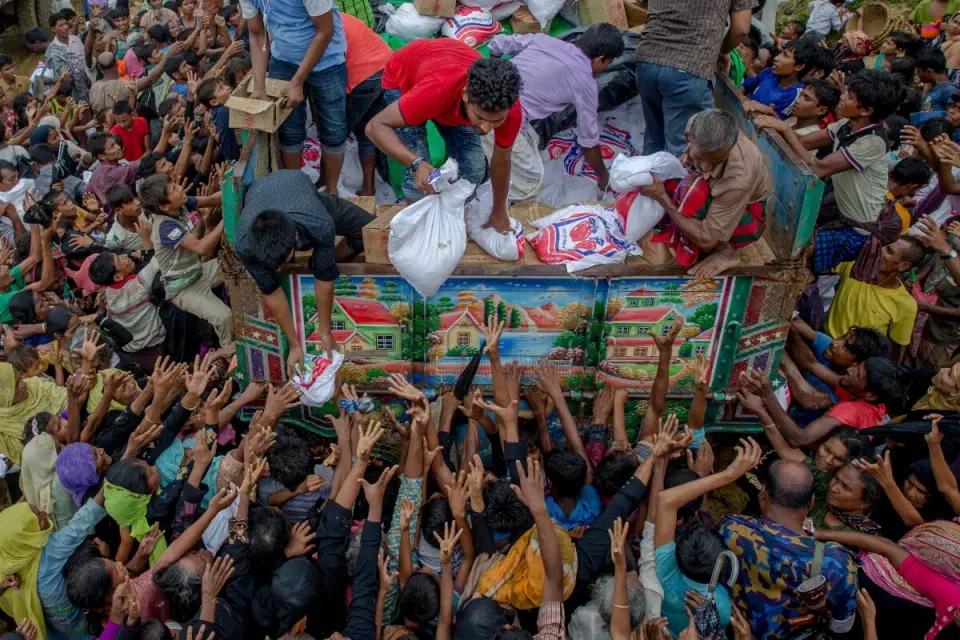
The International Court of Justice (ICJ) ruled that Myanmar committed genocide against the Rohingya minority during its 2017 military crackdown, marking the first time a state has been found guilty of this crime under the 1948 Genocide Convention. The 9-6 decision orders Myanmar to provide reparations, allow safe return of refugees, and prosecute perpetrators. However, the ICJ lacks enforcement power, and Myanmar’s government has dismissed the ruling as unfair. While the UN Security Council is expected to discuss the verdict, experts warn that China and Russia are likely to veto any sanctions. The ruling sets a significant legal precedent for other pending genocide cases, including South Africa’s claim against Israel regarding the war in Gaza, though it does not guarantee a similar outcome.
Key points
- The ICJ ruled 9-6 that Myanmar committed genocide against the Rohingya in 2017, finding that the military acted with intent to destroy a substantial part of the group.
- The court ordered Myanmar to provide reparations, allow the safe and voluntary return of Rohingya refugees, and prosecute those responsible for the atrocities.
- Myanmar’s government, led by President Min Aung Hlaing, dismissed the ruling as unfair and unlikely to be complied with, claiming its actions were counter-terrorism operations.
- The UN Security Council is scheduled to hold consultations on the ruling, but experts warn that China and Russia are likely to veto any sanctions due to geopolitical interests.
- The ruling sets a legal precedent for other genocide cases, including South Africa’s claim against Israel, by clarifying the standard of evidence for proving genocidal intent.
Background
The ICJ’s ruling on Myanmar’s genocide against the Rohingya is the first time a state has been found guilty of this crime under the 1948 Genocide Convention. The case was brought by The Gambia in 2019, and the court’s decision follows seven years of deliberations. The ruling has significant legal implications for other pending genocide cases, including South Africa’s claim against Israel regarding the war in Gaza. The ICJ’s lack of enforcement power and the geopolitical friction surrounding the ruling highlight the challenges of holding states accountable for genocide.
How outlets are covering it
AP News and CNN emphasize the historic nature of the ICJ’s ruling and the emotional relief it has brought to Rohingya refugees in Bangladesh. They also highlight the lack of enforcement power and the geopolitical hurdles, including the likely veto by China and Russia. BBC and Al Jazeera focus on the legal precedent set by the ruling and its implications for other genocide cases, particularly South Africa’s claim against Israel. They also note the US administration’s concerns about the ruling and its potential impact on the International Criminal Court. All sources agree that the ruling is a significant moment for international law, but they differ in their emphasis on the immediate consequences and the long-term legal implications.
Why it matters
The ICJ’s ruling on Myanmar’s genocide against the Rohingya is a landmark decision in international law, setting a precedent for holding states accountable for genocide. The ruling highlights the challenges of enforcing international law and the geopolitical friction that can hinder accountability. It also sets a legal precedent for other genocide cases, including South Africa’s claim against Israel, and may influence the standard of evidence for proving genocidal intent in future cases.
What to watch
The UN Security Council is expected to hold consultations on the ICJ’s ruling, but experts warn that China and Russia are likely to veto any sanctions. The US administration is studying the ruling and may take action against the ICJ or its judges. The ruling may also influence the standard of evidence for proving genocidal intent in other genocide cases, including South Africa’s claim against Israel. The long-term impact of the ruling will depend on the willingness of the international community to hold Myanmar accountable and the ability of the ICJ to enforce its decisions.
- Rights groups urge sanctions after top UN court finds Myanmar committed genocide against Rohingya AP News
- The Rohingya Crisis Over the Years The New York Times
- In historic first, UN top court rules a country committed genocide CNN
- Jeremy Bowen: Myanmar genocide verdict is historic and could have far-reaching implications BBC
- What does the ICJ’s Rohingya genocide ruling mean for Gaza? Al Jazeera
Want the full story? Read the original reporting
Read on AP News