
Dolores Huerta, UFW Co-Founder and Civil Rights Icon, Dies at 96
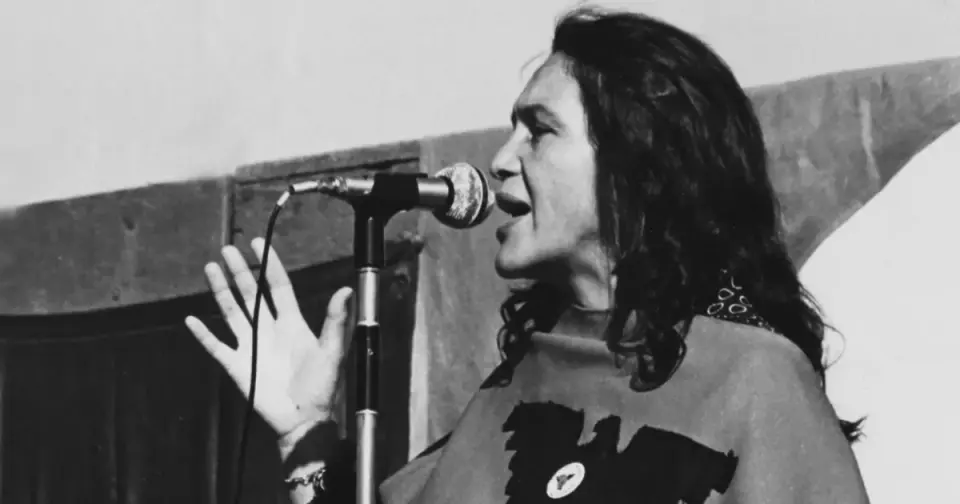
Dolores Huerta, the co-founder of the United Farm Workers (UFW) and a preeminent civil rights activist, has died at age 96 from cancer. Her passing marks the end of a life dedicated to labor organizing, though her legacy is now complex due to her 2026 revelations regarding sexual abuse by her partner, Cesar Chavez. Huerta served as the UFW’s vice president for nearly four decades, playing a critical role in negotiating contracts and organizing boycotts that improved conditions for migrant farmworkers. She is remembered for coining the slogan 'Sí se puede' and for her lifelong advocacy for voting rights, immigrant rights, and gender equality.
Key points
- Dolores Huerta died at her home in Bakersfield, California, from cancer, according to her family and a spokesman, Erik Olvera.
- She co-founded the UFW with Cesar Chavez in 1962, serving as its vice president until his death in 1993 and acting as the primary organizer and negotiator.
- In 2026, Huerta revealed to The New York Times that Chavez sexually abused her in 1960 and raped her in 1966, a secret she kept for nearly 60 years to protect the movement.
- Huerta was the first Latina inducted into the National Women’s Hall of Fame in 1993 and received the Presidential Medal of Freedom from President Obama in 2012.
- She was arrested more than 25 times for civil disobedience, including a 2019 arrest at age 89 while protesting for home health care workers.
Background
Huerta’s death follows a period of intense public scrutiny regarding her relationship with Chavez. In March 2026, she publicly acknowledged the abuse, stating she remained silent to preserve the union’s momentum. This revelation occurred alongside reports of other women coming forward with similar allegations against Chavez. Prior to this, Huerta was widely celebrated as a 'Madonna of the Fields' and a proto-feminist icon who helped transform a rural labor movement into a national cause. Her family has described her as a beloved figure whose legacy is intertwined with both her activism and the personal trauma she endured.
How outlets are covering it
NBC News emphasizes Huerta’s status as the 'most famous Latina' in the labor movement and highlights her courage in speaking out about the abuse, framing her as a survivor rather than a victim. The New York Times focuses on her role as the skilled organizer and negotiator who coordinated strikes and boycotts, noting that her contributions were often overshadowed by Chavez’s charismatic leadership. CNN details the specific circumstances of the abuse, noting Huerta’s fear that police and union members would not believe her, and highlights her lifelong dedication to marginalized communities. The Los Angeles Times provides a nuanced view, acknowledging her 'frenetic energy' and 'waspish temper' while also detailing the internal conflicts within the UFW, including her support for Chavez despite his authoritarian tendencies. All sources agree on her significance as a civil rights icon but differ in how they weigh her personal trauma against her professional achievements.
Why it matters
Huerta’s death closes a chapter in American labor history, but her 2026 revelations have forced a re-evaluation of the UFW’s founding narrative. Her story highlights the complexities of civil rights movements, where the personal lives of leaders can intersect with their public activism. The ongoing debate over her legacy reflects broader discussions about accountability, gender equality, and the costs of social justice movements. Her life and death underscore the importance of recognizing the contributions of women in labor organizing while also addressing the systemic issues that allowed abuse to persist within such movements.
What to watch
The Dolores Huerta Peace & Justice Cultural Center in Bakersfield, a $35-million project funded largely by the state of California, is expected to continue its mission of training future community organizers. The center, which broke ground in 2025, will serve as a legacy project for Huerta’s work. Additionally, her family and the Dolores Huerta Foundation will likely continue to advocate for the causes she championed, including voting rights, immigrant rights, and environmental justice. The UFW and other labor organizations may also engage in discussions about how to address the historical issues raised by Huerta’s revelations, potentially influencing future labor movements and civil rights advocacy.
- Dolores Huerta, farmworker and civil rights activist, dies at 96 NBC News
- Dolores Huerta, Labor Leader and Force for Civil Rights, Has Died The New York Times
- Dolores Huerta, pioneering labor leader and civil rights icon, dies at 96 CNN
- Dolores Huerta, the fiery and resolute activist who helped launch the nation's first enduring union for poor farmworkers, dies Los Angeles Times
- Labor rights leader Dolores Huerta dies at 96 ABC News - Breaking News, Latest News and Videos
Want the full story? Read the original reporting
Read on NBC News