
Treasury Proposes Revoking Tax Exemptions for Schools Using Race-Based Criteria
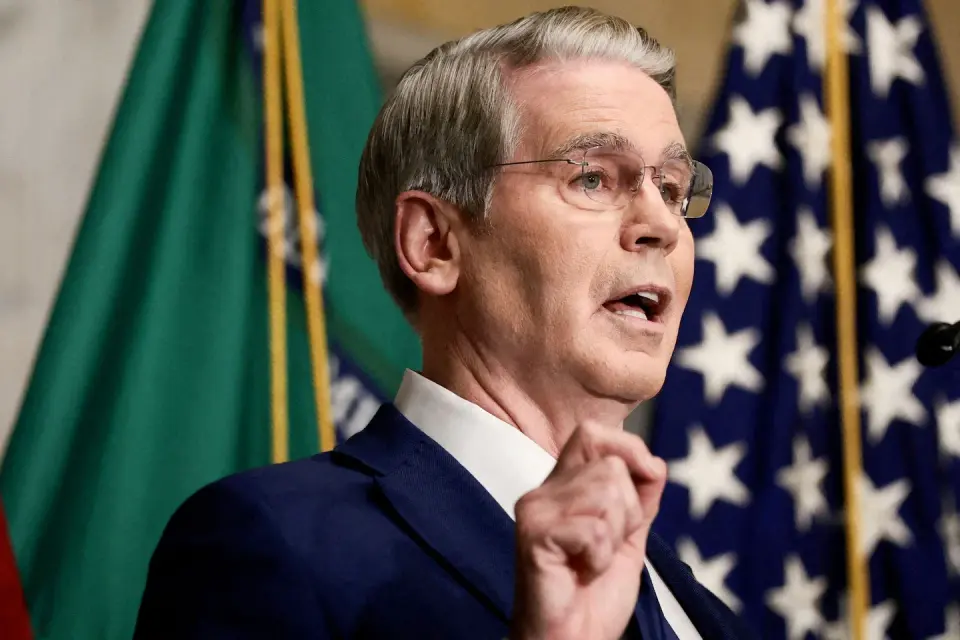
The U.S. Treasury and IRS have proposed regulations that would revoke tax-exempt status for private schools and colleges that use race in admissions or financial aid. The move targets up to 18,000 institutions, citing Supreme Court precedents against racial discrimination. While the rule allows religious and socioeconomic criteria, it bans race-based programs, marking a significant shift in federal oversight of private education.
Key points
- The proposed rule, effective for taxable years beginning May 31, 2027, would strip tax-exempt status from private schools that discriminate based on race, color, or national origin.
- The Treasury Department estimates the regulation could impact up to 18,000 private schools, including K-12 institutions, colleges, and universities.
- The administration cites the 2023 Supreme Court decision in Students for Fair Admissions v. Harvard, as well as Brown v. Board of Education, as legal justification for the new guidelines.
- The rules explicitly preserve tax-exempt status for schools that select students based on religious affiliation, family income, geographic location, or academic achievement.
- Treasury Secretary Scott Bessent stated that rebranding race-based preferences as 'diversity-enhancing' does not change their discriminatory nature under federal law.
Background
This proposal follows a series of actions by the Trump administration to restrict diversity, equity, and inclusion initiatives in education, including the elimination of tools used to prove racial discrimination and the cutting of aid aimed at minority students. It aligns with the 2023 Supreme Court ruling that ended race-conscious admissions at Harvard and the University of North Carolina at Chapel Hill.
How outlets are covering it
The Washington Post frames the proposal as part of an 'intense pressure' campaign against institutions seeking diversity, highlighting the potential loss of tax-exempt status for private schools. The New York Times emphasizes the breadth of the rule, noting it could affect institutions like Harvard and that the IRS is being thrust into the center of the administration's education policy push. Bloomberg Tax focuses on the technical regulatory details, identifying the proposal as REG-119986-25 and noting it addresses the application of public policy against racial discrimination. The Center Square highlights the administration's stance that the rule aligns with Supreme Court precedent and protects religious schools, while noting the specific effective date of May 31, 2027.
Why it matters
This proposal represents a significant expansion of federal power over private education, potentially forcing thousands of schools to alter admissions and financial aid policies to maintain tax-exempt status. It could lead to legal challenges and a shift in how private institutions define diversity and inclusion, with major financial implications for schools that currently rely on tax-exempt status for funding and operations.
What to watch
The proposed regulations are subject to a public comment period before becoming final. If finalized, they would take effect for taxable years beginning May 31, 2027. Schools may face legal challenges or need to revise their policies to ensure compliance with the new IRS guidelines to avoid losing their tax-exempt status.
- Trump administration aims to strip schools’ tax exemption if they consider race The Washington Post
- Trump Moves to Strip Tax Exemption From Schools That Aid Minority Students The New York Times
- Treasury Targets Tax Exemptions for Schools Over Racial Policies Bloomberg.com
- IRS Proposes Rules for Private Colleges on Race-Based Programs news.bloombergtax.com
- Trump administration to end tax-exempt status over school discrimination thecentersquare.com
Want the full story? Read the original reporting
Read on The Washington Post